
Corral Chips
Tell us what you have been doing lately. We have many talented members, both professional and enthusiasts that are doing great work regarding Western History. We should be proud! Tell us what you have been up to lately. We want to share it! Someone else may have something they can contribute, or a suggestion for you. Or just share your accomplishments, so we may congratulate you! As part of a vibrant Corral, we can support and encourage each other, build an “espirit de corps,” and enhance our membership experience in the Los Angeles Corral of Westerners.
As a member of Westerners, your Corral Chip information will be published in our quarterly academic publication, the Branding Iron. And it will be put here on our web site in the public area where search engines will pick it up and make it available on the worldwide web. By the way, if you are not a member yet, please click Join our Corral.
See what our members are currently working on!
If you would like to write out and mail in your Corral Chips form, click here for the Corral Chips form (.pdf). Mailing information is on the form.
Branding Irons
These Branding Irons are available to members only. Older issues are available under the Branding Irons tab.
307. Summer 2022
306. Spring 2022
305. Winter 2022
304. Fall 2021
303. Summer 2021
302. Spring 2021
301. Winter 2021
300. Fall 2020
299. Summer 2020
298. Spring 2020
297. Winter 20202
296. Fall 2019
295. Summer 2019
294. Spring 2019
293. Winter 2019
292. Fall 2018
291. Summer 2018
290. Spring 2018
289. Winter 2018
288. Fall 2017
287. Summer 2017
286. Spring 2017
285. Winter 2017
284. Fall 2016
283. Summer 2016
282. Spring 2016
281. Winter 2016
280. Fall 2015
279. Summer 2015
278. Spring 2015
277. Winter 2015
276. Fall 2014
275. Summer 2014
274. Spring 2014
“China City – The Busy Little Village North of the Plaza” by Glenna Dunning.
“Ninety-Four Years of The Pacific Mail Steamship Company – An Overview” by James Shuttleworth.
“When ‘Judge Lynch’ Came to San Jacinto” by Steve Lech.
273. Winter 2014
“Crossing California’s Little Sahara Imperial County’s Plank Road” (This is a look at motoring across the sand dunes of Imperial County for many years during the beginnings of the automotive age.) By John W. Robinson.
“Affairs of the Heart in Early Los Angeles” (An interesting visit to the post office in1848 is presented and a special letter from 1848) by Eric A. Nelson.
272. Fall 2013
“The Many Lives of the Three Godfathers” (A Christmas story entitled “The Three Godfathers,”) which began life as a short novel by Peter B. Kyne and later was made and remade into movies) by Abraham Hoffman.
“John Muir — A Thoughtful Moment, 1911” (A rare insight into a personal moment shared by John Muir and a longtime friend through some unpublished surviving, hastily hand-written correspondence) by Joseph Cavallo.
“Local History: What is Wrong and What is Right” (A discussion of the varying views of local historians versus academic) by Dr. Ronald Limbaugh.
271. Summer 2013
“The Tunnel” (A trip through the famous San Jacinto Tunnel of the Metropolitan Water District; and the Colorado River Aqueduct) by Phil Brigandi.
“The Aqueduct Doctor” (The tale of Dr. Raymond Taylor, “The Aqueduct Doctor,” who provided medical assistance to the workers on William Mulhollandís aqueduct in the early 1900s) by Paul H. Rippens.
Roundup Photos: February 12, 2014
-
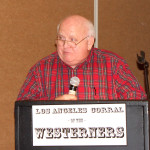
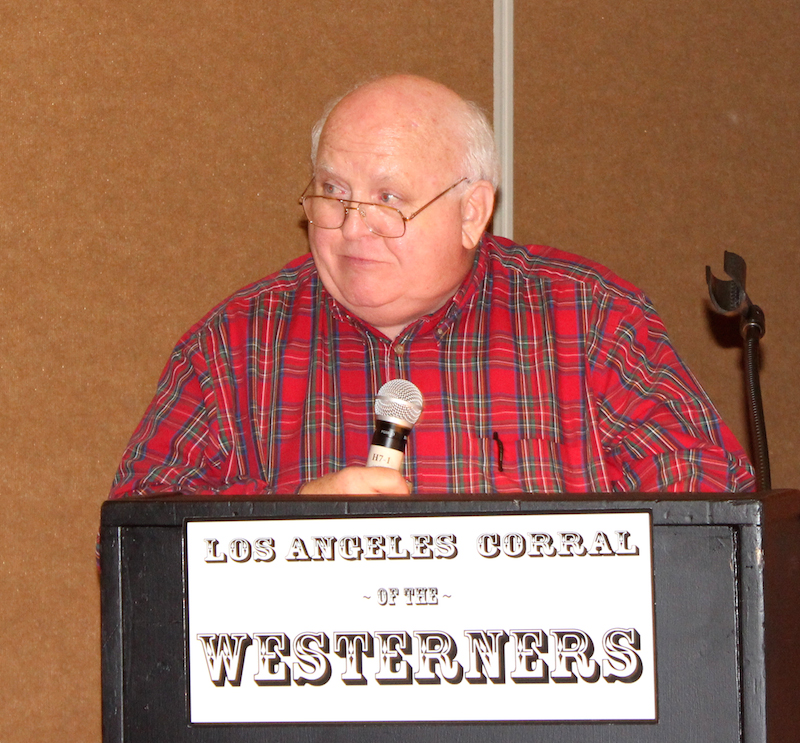
- Jim Macklin
-
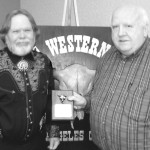
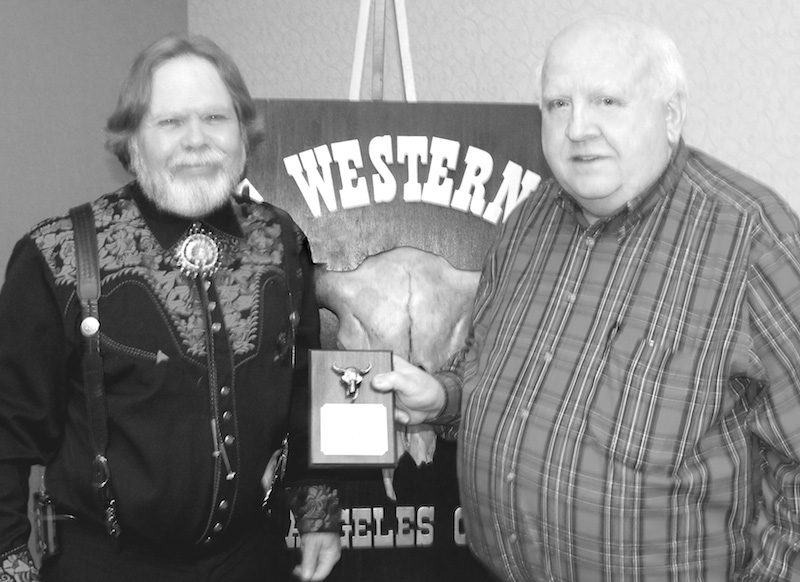
- February Speaker Will Bagley and Jim Macklin
-
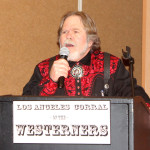
- Will Bagley February 2014 speaker
Roundup Photos: March 12, 2014
-
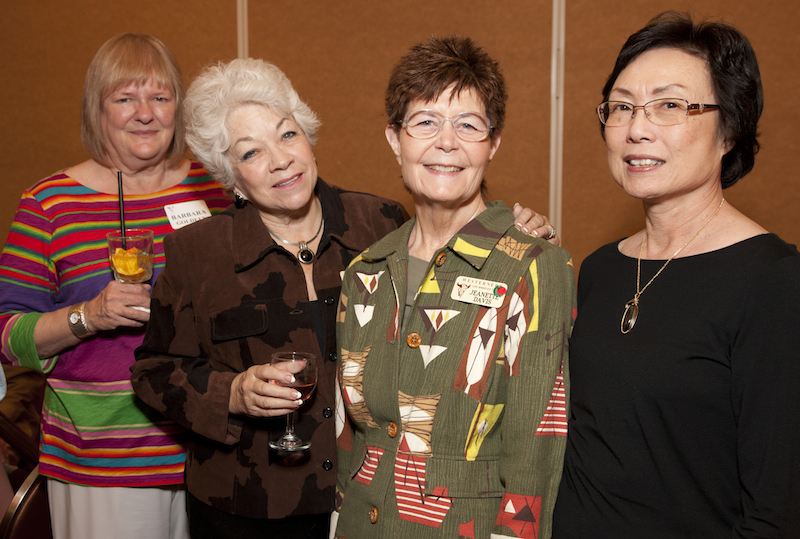
- Barbara Goldeen, Margie Green, Jeanette Davis and Carole Pauley
-
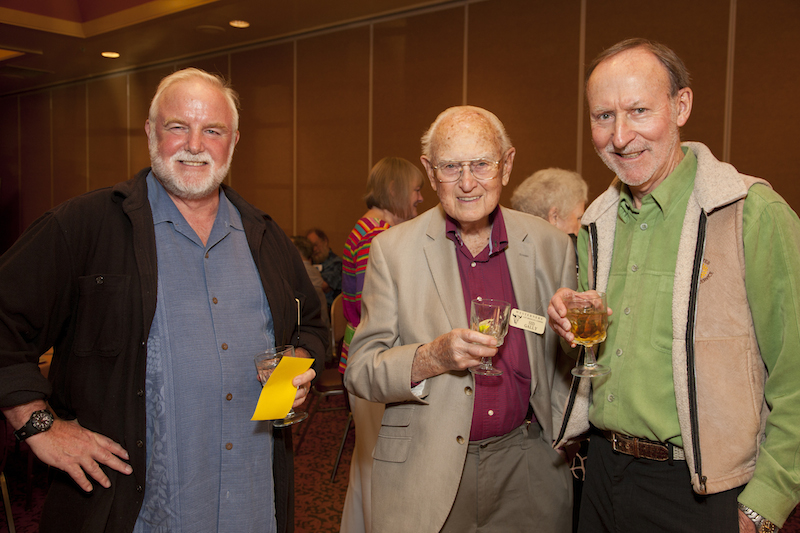
- Brad MacNeil, Sid Gally and John Pohlmann
-
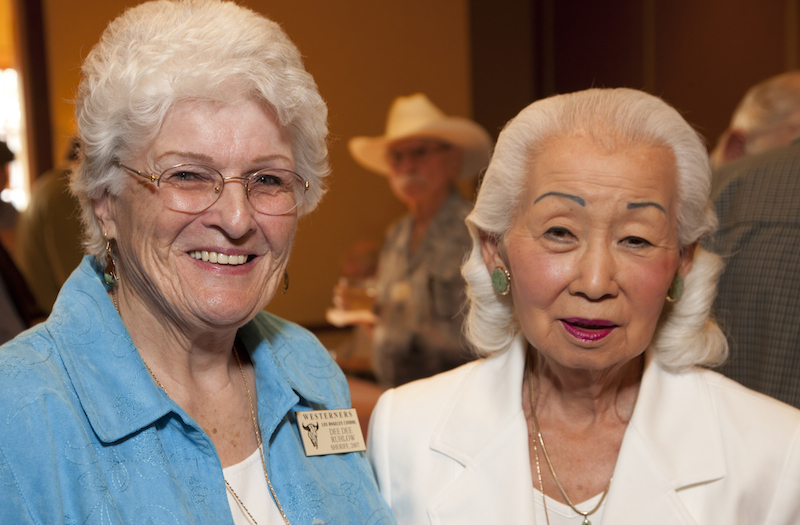
- Dee Dee Ruhlow and Ruth Malora
-
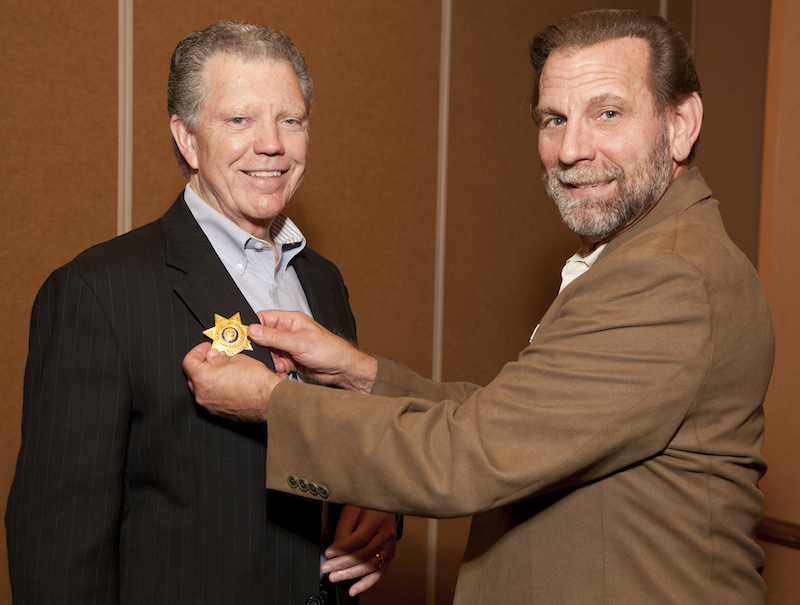
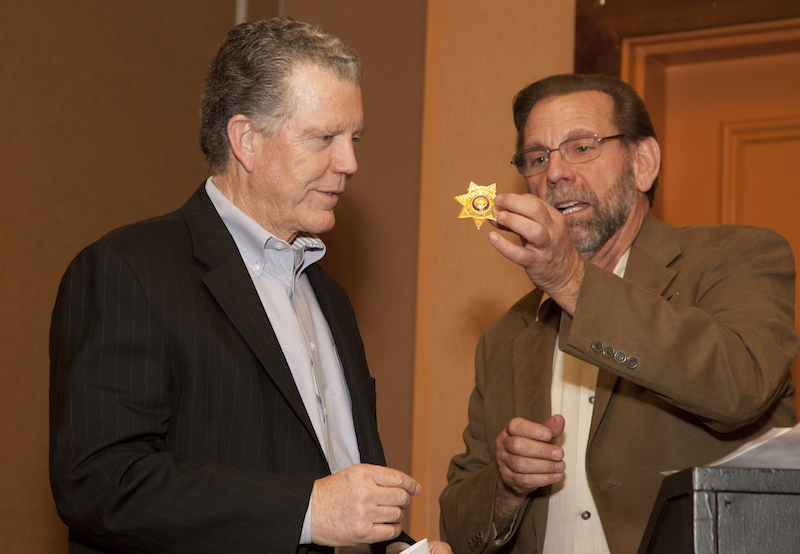
- Deputizing Deputy Sheriff Paul McClure
-
- Don Green, Dave Gillies and Jerry Selmer

-
- Ruth Malora

-
- Deputy Sheriff Paul McClure and Sheriff Larry Boerio
-
- Elizabeth Pomeroy and Nick Curry
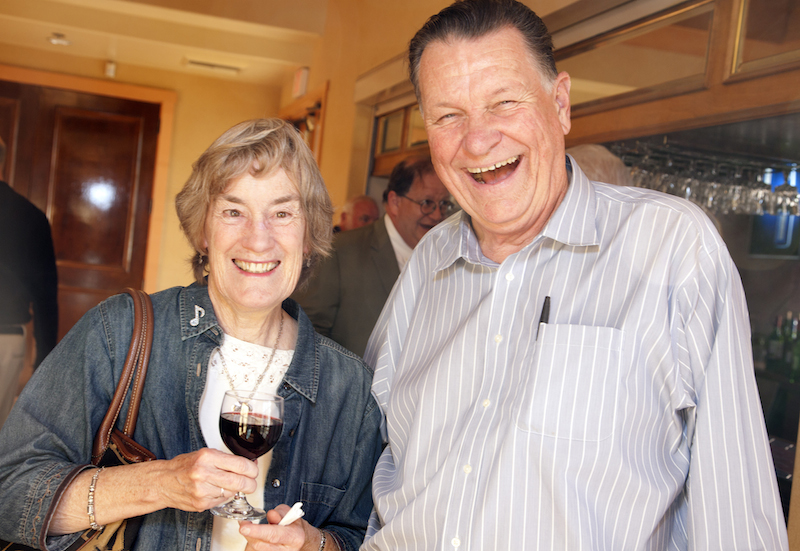
-
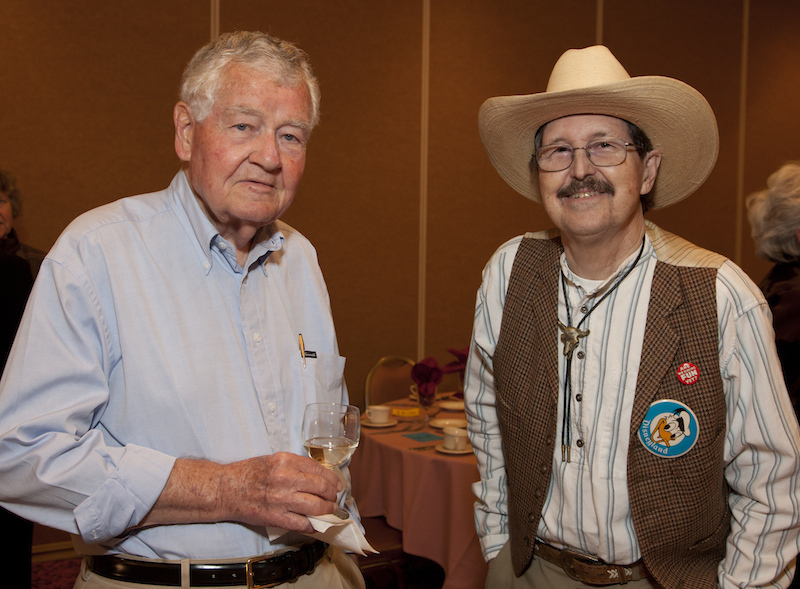
- James Bugher and Honorary member Paul Showalter
-
- Joe Cavallo

-
- John Pohlmann and Sheriff Larry Boerio

-
- March Speaker Jerry Selmer and Deputy Sheriff Paul McClure

-
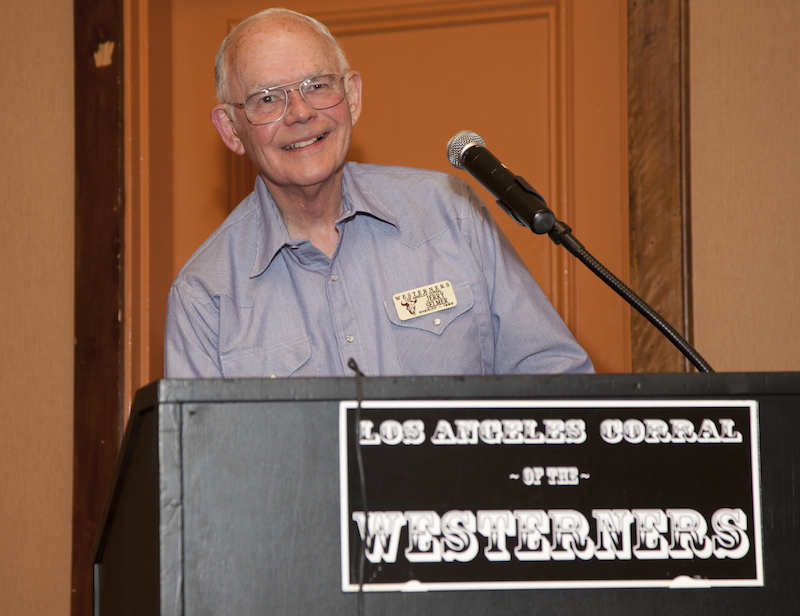
- March Speaker Jerry Selmer
-
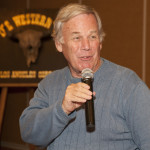
- New Member Dennis Thompson

-
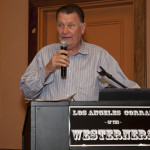
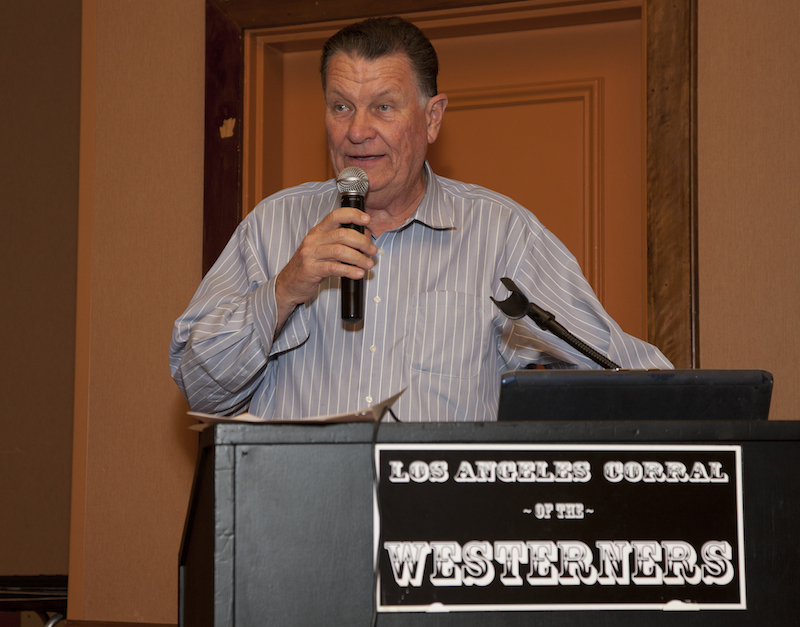
- Nick Curry
-
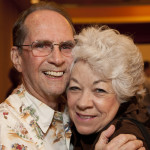
- Willis Osborne and Margie Greene
Roundup: April 9, 2014
Almansor Court – 700 S. Almansor, Alhambra, CA.
Social Hour: 5:00 PM
Dinner: 6:00 PM
Speaker: Brian Dervin Dillon, Ph.D.
Subject: Camanche: California’s Forgotten Ironclad
California gold and Nevada silver financed the Union during the Civil War. The heavy bullion had to be shipped via Panama in vulnerable, Federal bottoms. Just one Confederate raider, loose in coastal California, could have severed the Union’s most important financial lifeline to her westernmost states and territories. So, when Californians begged for a U.S. Navy warship, President Lincoln sent the most modern vessel available. This was the USS Camanche, a second-generation, John Ericsson-designed, Passaic class monitor. Built twice, sunk once, and launched on both the Atlantic and the Pacific coasts, the Camanche had perhaps the most unusual history of any of the 30 Union-built monitors of the Civil War. In contrast to the prototype USS Monitor, the Camanche never fired her guns in anger. She also outlived every other Ericsson-designed vessel, yet remains California’s Forgotten Ironclad.
Brian Dervin Dillon is a 5th generation Californian. An archaeologist, he is the son and the father of historians. All three Dillon generations were educated at the University of California, Berkeley. Dillon’s Ph.D. in Maya archaeology was at age 25, the youngest in the history of the department. A Phi Beta Kappa and Fulbright Fellow, for the past 40+ years he has done archaeology all over California, in every part of Guatemala, and in three other Central American countries. Dillon has taught and lectured at many California institutions. He has written nearly a hundred books, monographs and articles on archaeology and history. His most recent book is Fanning the Sacred Flame (University Press of Colorado, 2012). Dr. Dillon is the 2012 recipient of the Westerner’s International Coke Wood 2nd place award for his two-part study Sergeant Dillon with the Dynamite Squads: 1906 detailing how his grandfather fought fire with explosives in the days following the catastrophic San Francisco earthquake. His Camanche study will be published in upcoming issues of the California Territorial Quarterly.
Paul McClure
Deputy Sheriff
Los Angeles Corral of Westerners
Welcome to the online home of the Los Angeles Corral of Westerners. We invite you to browse our site, learn more about our organization, and even consider joining us.