Roundup: April 13 2022
Westerners-Aug-2023-Roundup-1
Roundup Synopsis
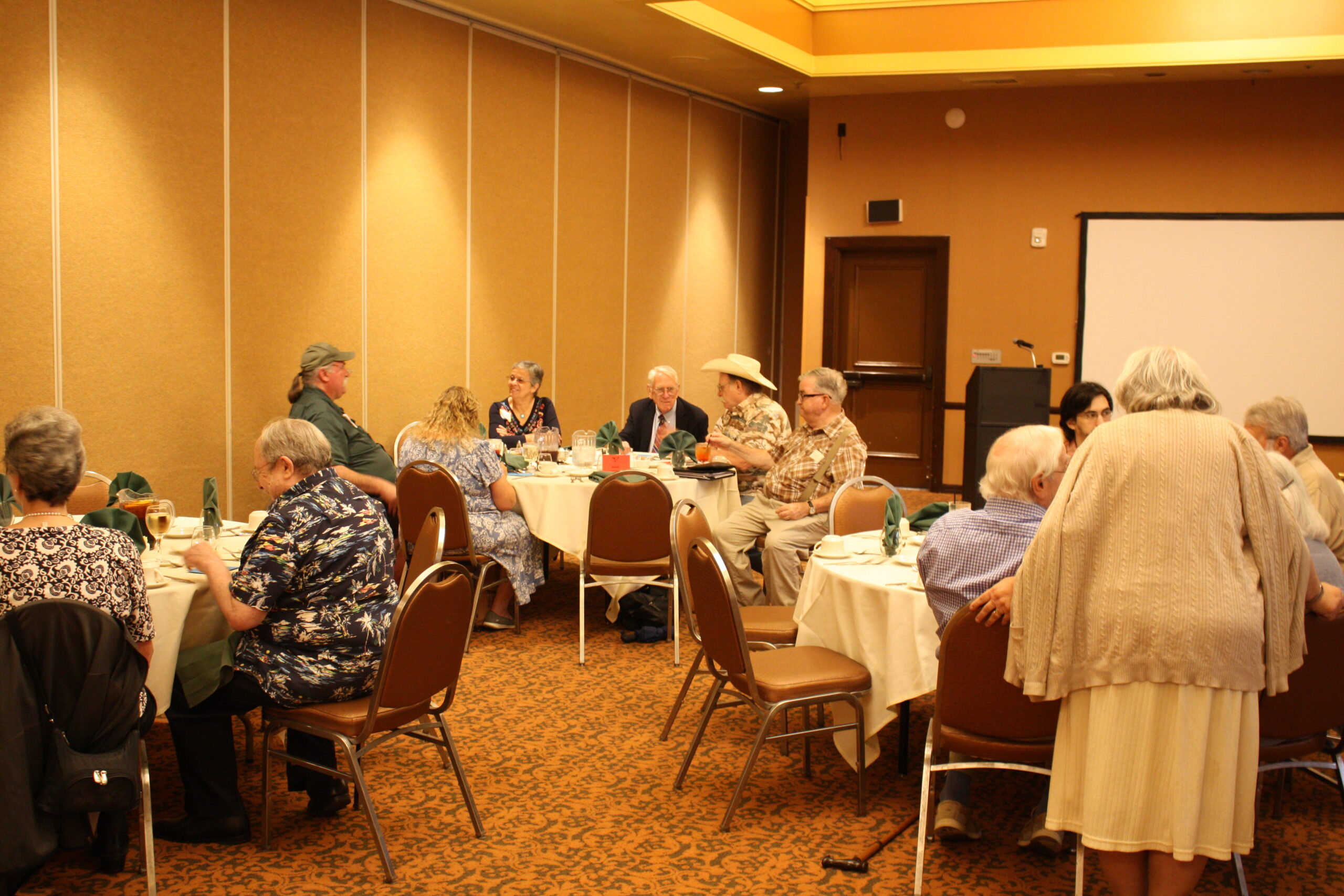
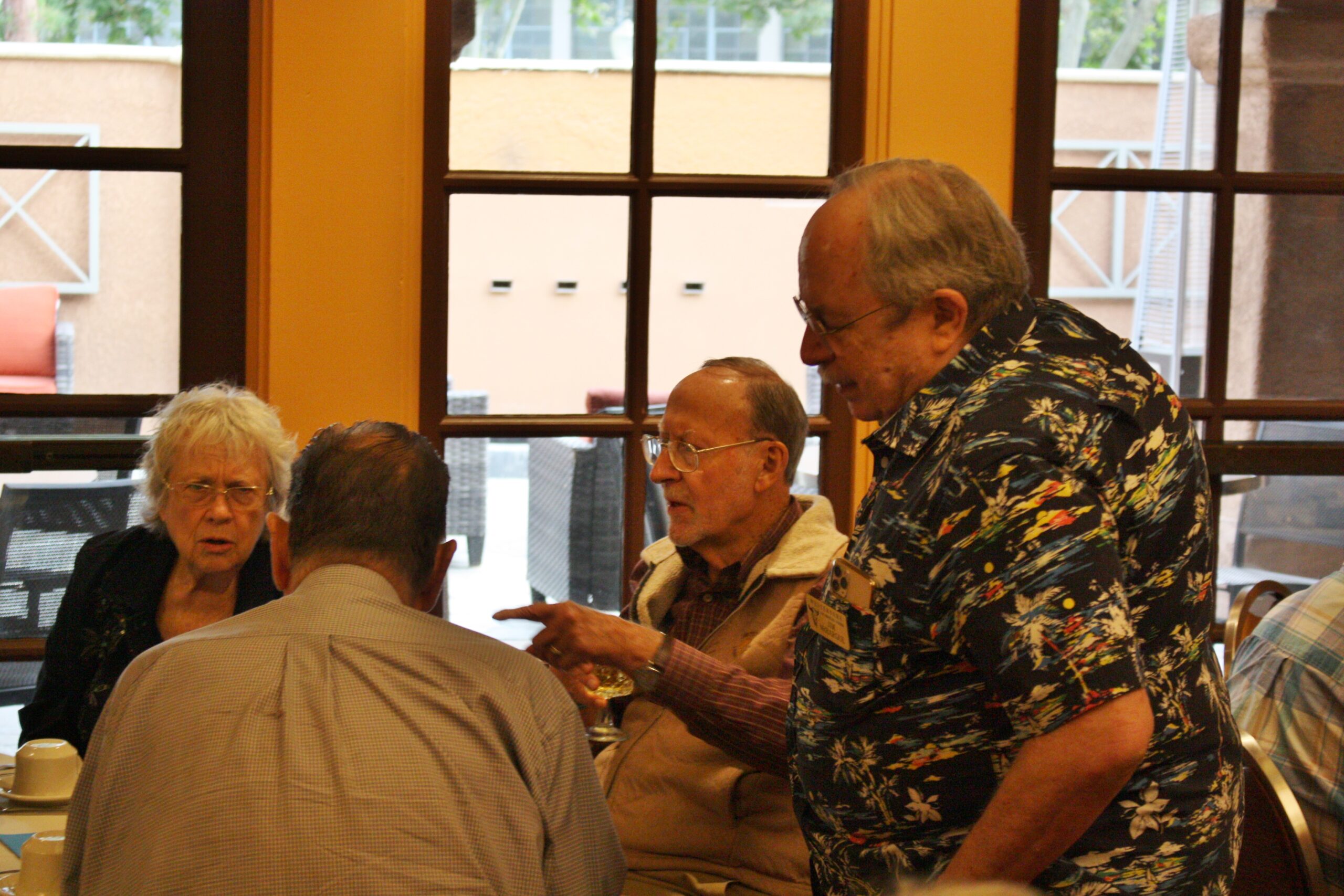
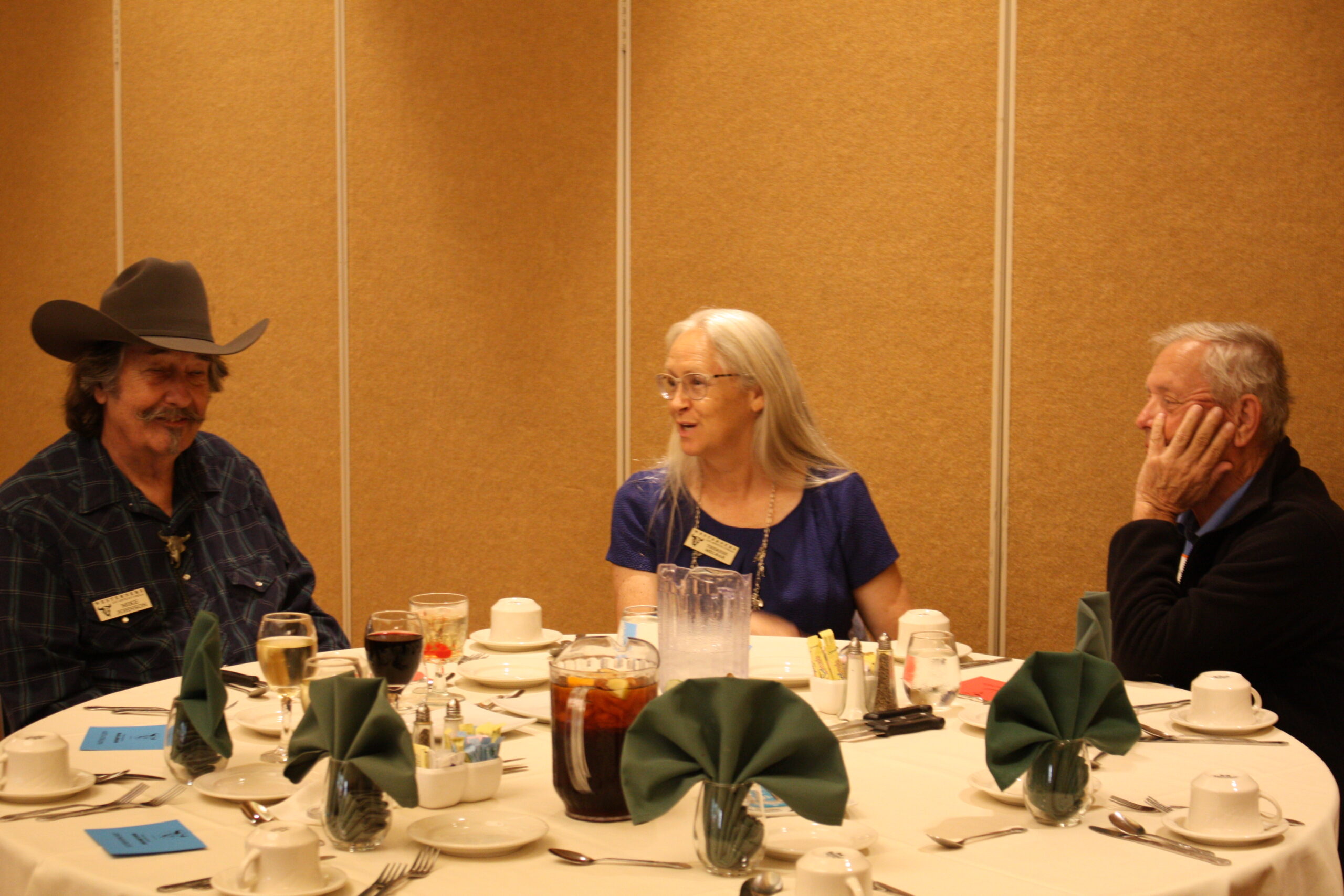
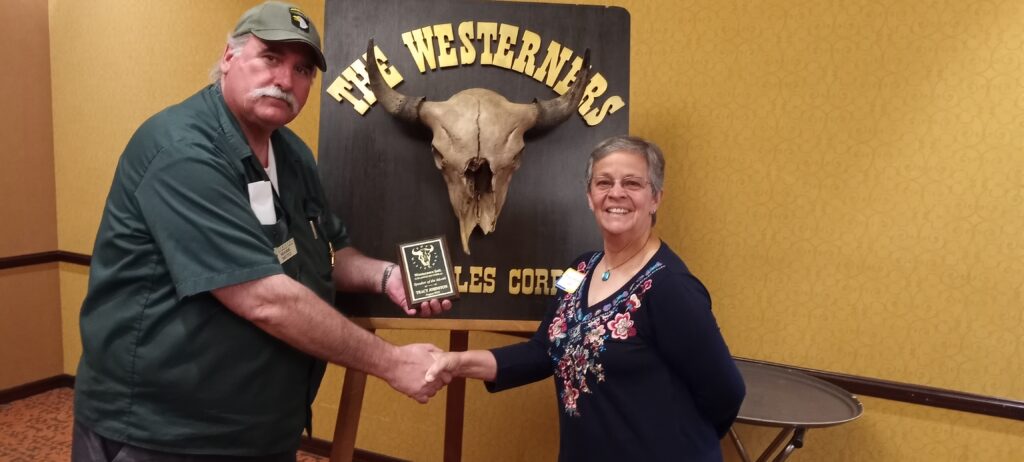
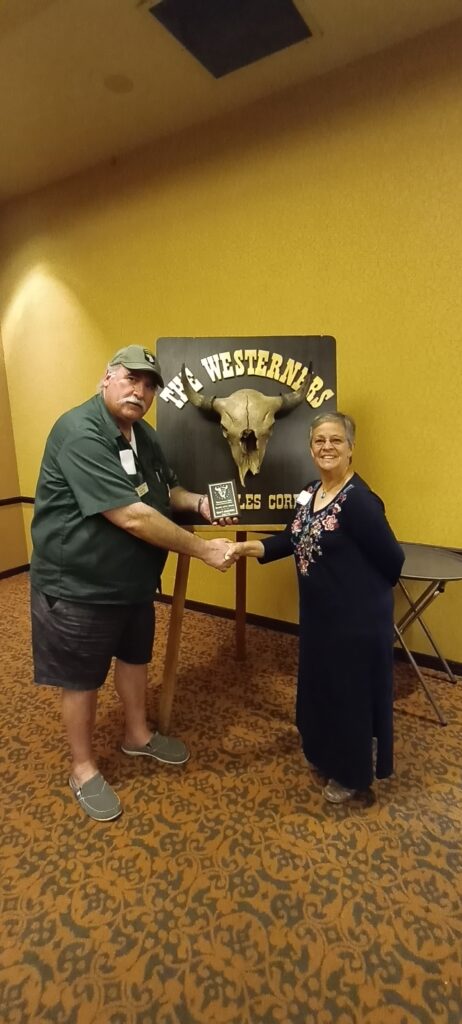
April’s Roundup saw the corral miss out, yet again, on the long-awaited “Postcards from Mecca” presentation by Steve Lech (don’t worry, it’s coming soon). Johnny-onthe-spot, however, was Brian-on-the-spot, as Dr. Dillon regaled us with his tale of an American hero, Navy Admiral Fightin’ Bob Evans. As Brian told it, it was Evans, not Jesse James nor Billy the Kid, who was the most famed pistolero 120 years ago, and we sure found out why. Fightin’ Bob’s story began in Virginia, where he was born Robley Dunglison Evans, in 1846. After being expelled from school for fighting at age thirteen, Bob’s uncle suggested a career in the Navy. Unfortunately, both Naval Academy seats allotted to Virginia were already filled. Bob agreed to move to Utah, as it was the only territory with allotments available. It was to be a fateful decision. Prior to the Transcontinental Railroad, wagon trains were the name of the game, and so it was with the party that Evans accompanied out west. Wagon trains, however, were vulnerable to Indian raids. Just such an attack befell Evans’ train upon leaving Ft. Laramie, after a wagon got mired in the mud. Thirteen-year-old Evans killed a man in his escape, made it back to the fort, and set out again with just a single wagon. His party was attacked again and Bob was shot in the ankle by an arrow, his foot pinned to the mule he was riding. Eventually, he made it to Salt Lake City where he established residence. Young Evans entered the Naval Academy in 1860. He was trained aboard the USS Constitution, “Old Ironsides.” The Civil War interrupted his tutelage, however, and half his class left to join the Confederacy. Evans stayed true to the Union and ended up fighting his own brother in the rebel navy. As a junior officer taking part in the assault on the “Rebel Gibraltar,” Ft. Fisher, North Carolina, Evans led an assault party of sixty-two sailors and marines. Horribly outgunned and isolated on the beach, his assault force was cut down, with 58 men killed or wounded. Evans was one of only eight men to breach the rebel fort, although he was shot four times for his efforts. He killed the sniper who had wounded him with a miraculous pistol shot from his Whitney .36 Navy revolver. Bob was left for dead on the beach, but was finally rescued and taken to a hospital. He threatened to shoot anyone trying to amputate his legs, so he kept them, along with two bullets that couldn’t be removed. His wounds forced him to use two canes for the rest of his life. Evans moved quickly through the ranks thereafter, taking postings throughout the world, and eventually commanded a gunboat, the USS Yorktown. It was on the Yorktown that he earned his appellation. His refusal to back down during a tense standoff with Chilean warships left him known as “Fightin’ Bob” ever after. After taking a leading role in the largest naval battle of the Spanish-American War, Bob reached the pinnacle of his career when he was given command of the Great White Fleet. Under Admiral Evans’ command, the the Atlantic and Pacific Fleets were combined for the first time in May 1908, in San Francisco Bay. This achievement marked a turning point for San Francisco in its postearthquake rebuilding, and also a bridging of the gulf between America’s East and West. If you’d care to read more about this American hero on both land and sea, you should pick up his autobiographies, A Sailor’s Log and An Admiral’s Log. I’m sure I’m not alone in my anticipation for what Brian Dillon has in store the next time someone calls in sick and he’s called to fill in again. — Alan Griffin
Photos from the Roundup
Roundup: March 9, 2022
March 2022 Roundup Flyer
Roundup Synopsis
Taken From Branding Iron 306 Spring 2022.
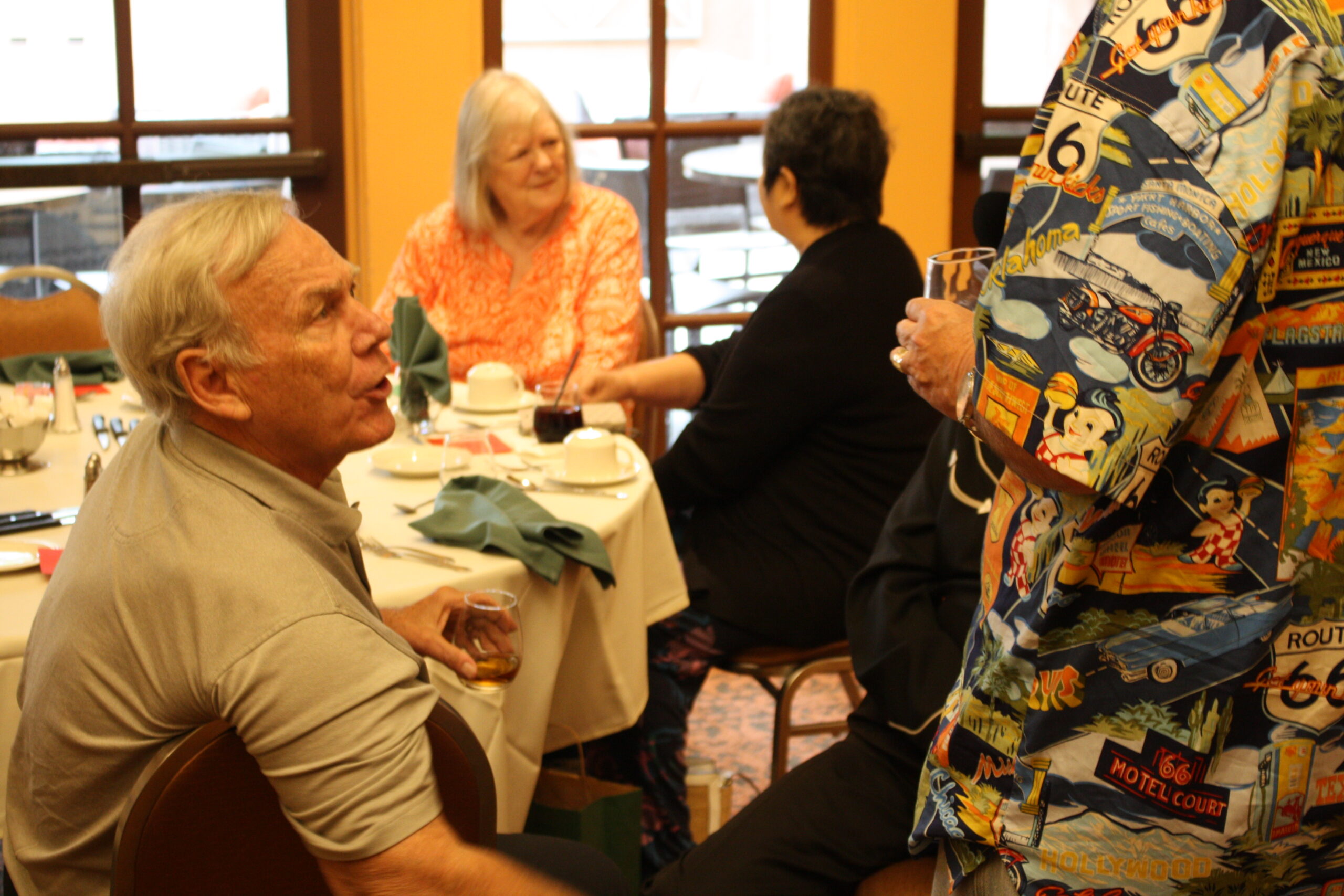
In March, the Corral was treated to a talk by Nick Curry. Assuming the style of a fireside chat, Mr. Curry expounded on his research about a historic Angeleno of much importance, if little current recognition, Dan Murphy. Murphy was an early investor in the local economy and, along with men like Edward L. Doheny, helped shape the area into what it is today. In fact, Dan Murphy picked up with oil drilling in the area where Doheny left off, and became fabulously wealthy as a result. The foundation that resulted from the dissemination of his wealth has done much for education and the preservation of local history in Los Angeles.
Dan Murphy was born in 1858 in Pennsylvania, and came to Los Angeles by way of a family homestead in Kansas, which he shared with his parents and seven siblings. Murphy eventually moved out West and immediately formed an affinity for the railroad, working on a spur line that ran down to San Diego. Before long, he met Frank Monaghan, and the two had plans to bridge the Colorado River. Doing just that, they drew the attention of Charlie Crawford who tasked them with building a general store near the new bridge. In so doing, they founded the town of Needles in 1883.
The two men were known for their honesty, a rare commodity in the railroad business, and successfully ran the store until 1911. During their time in Needles, they founded a bank. This led them to invest in a number of mining and oil drilling operations throughout the region. Key to Dan Murphy’s future success was his purchase, sight-unseen, of land which would become the Brea Canyon Oil Company. The well, which continues to produce today, eventually left Murphy in possession of a fantastic mansion and a fortune of $200 million by the time of his death in 1939.
Having no children, Murphy entrusted his fortune to his niece Bernardine. Enter the Catholic church and the Los Angeles diocese. The Murphy family had been closely connected to the church for decades, so much so that Dan had once donated $1 million to the Pope in one lump sum. During her time in Rome, Bernardine, now the executor of the Murphy fortune, was wooed by an Italian prince. Los Angeles churchmen grew concerned that if Bernardine were to marry this man, then she, along with her fortune, would move to Rome and leave the Los Angeles diocese in the lurch. So, the church hatched a plan. A dissatisfied priest was found, released from his vows, and wed to Bernardine. Thus the Murphy fortune remained in Los Angeles. Now known as the Dan Murphy Foundation, it provides more money to Catholic causes today than even the Doheny Foundation.
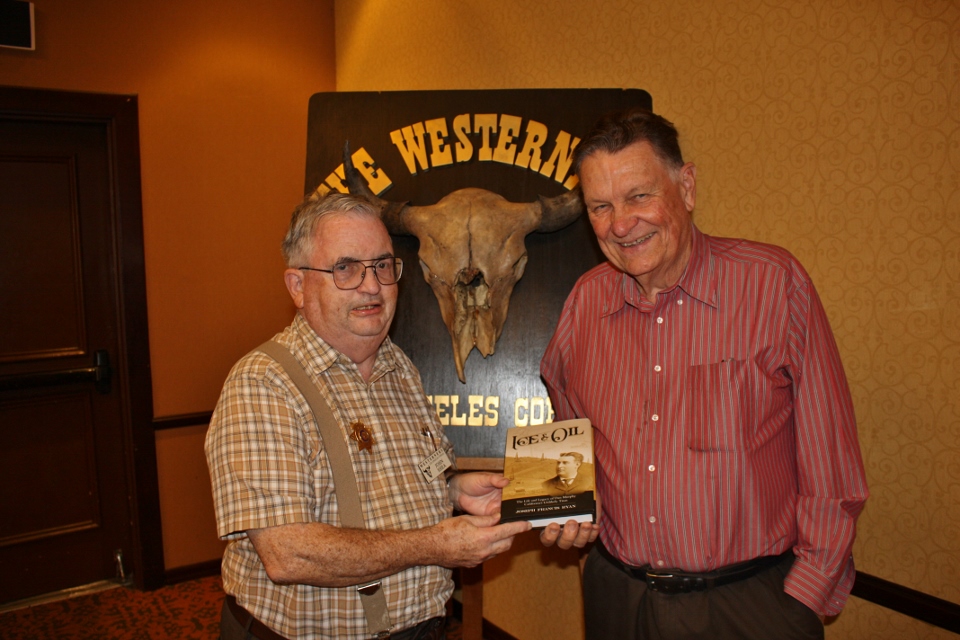
The Dan Murphy Foundation was crucial to the formation of the archives put together by Westerners Living Legend Msgr. Francis Weber. That archive was, in turn, essential in gathering the information used for the most recent book about Dan Murphy entitled Ice and Oil, by Joseph Francis Ryan, reviewed in Branding Iron 303.
— Alan Griffin
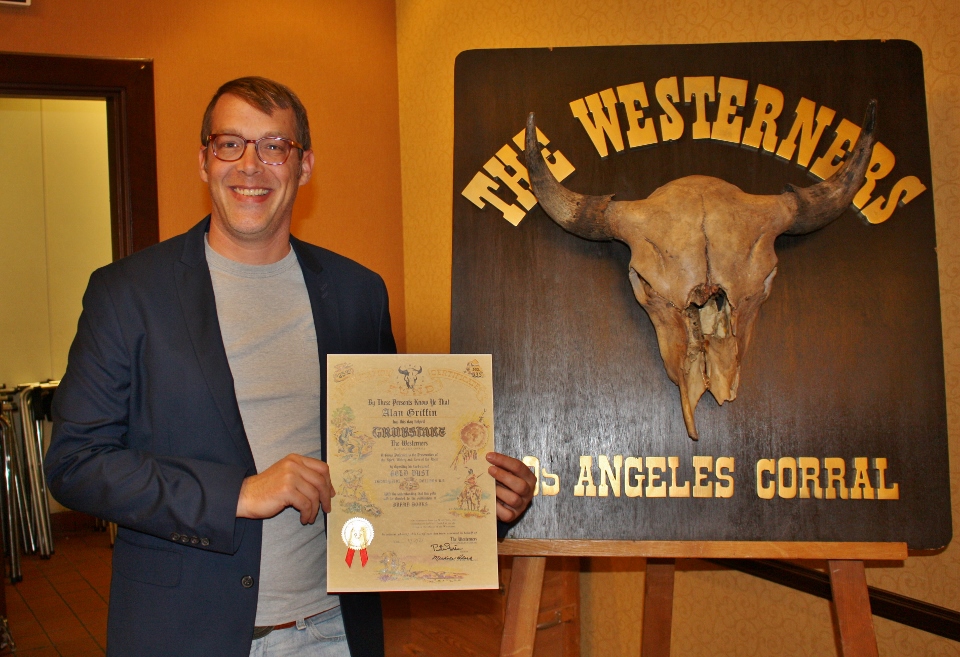
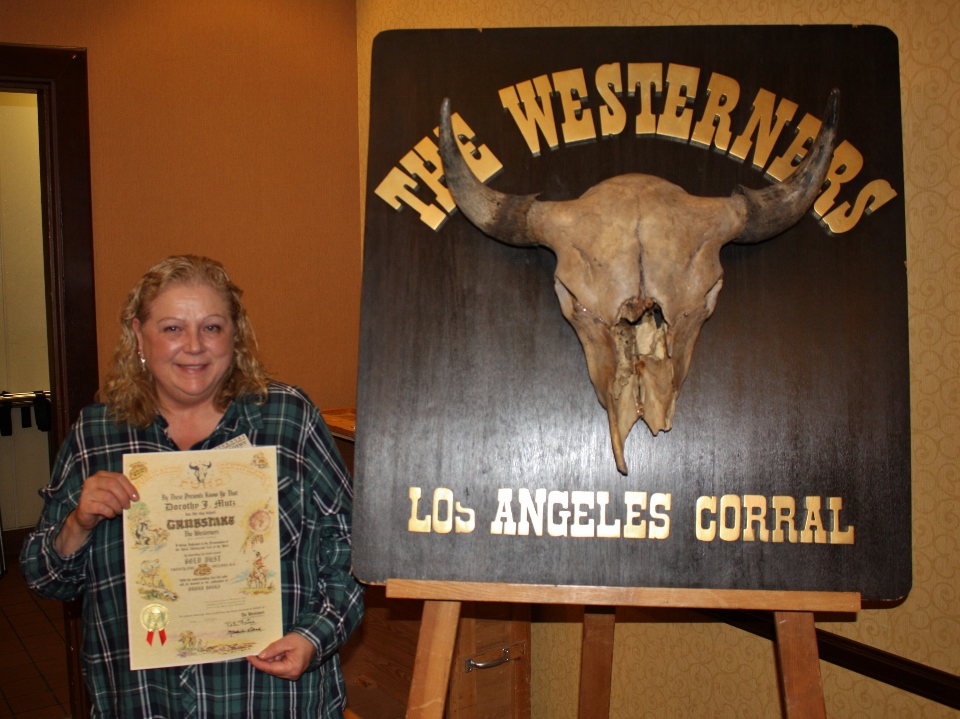
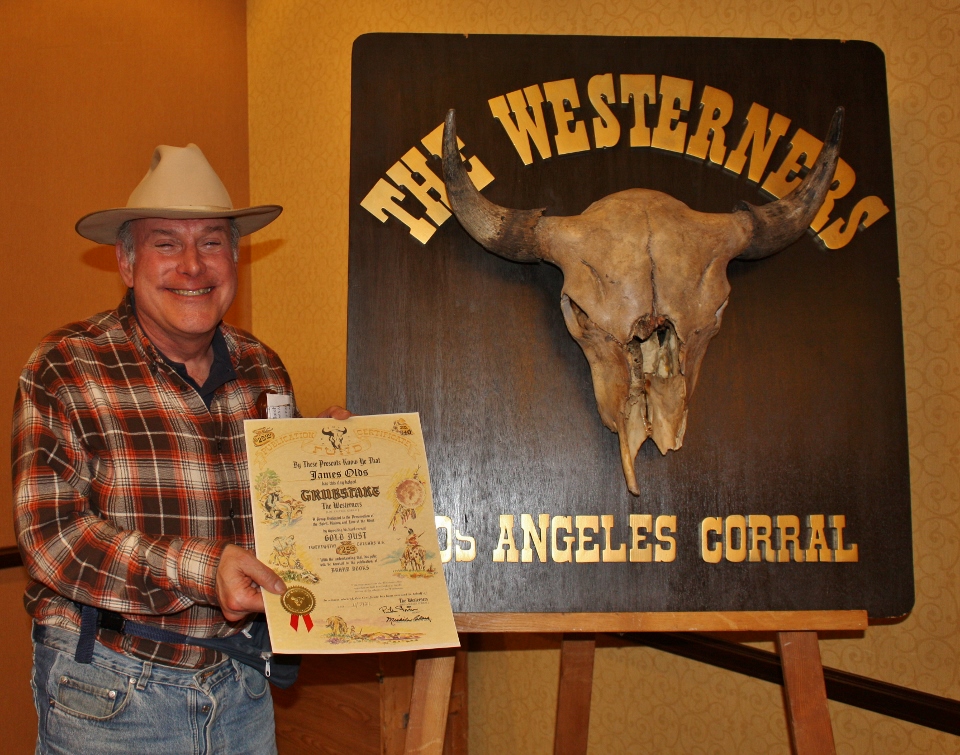
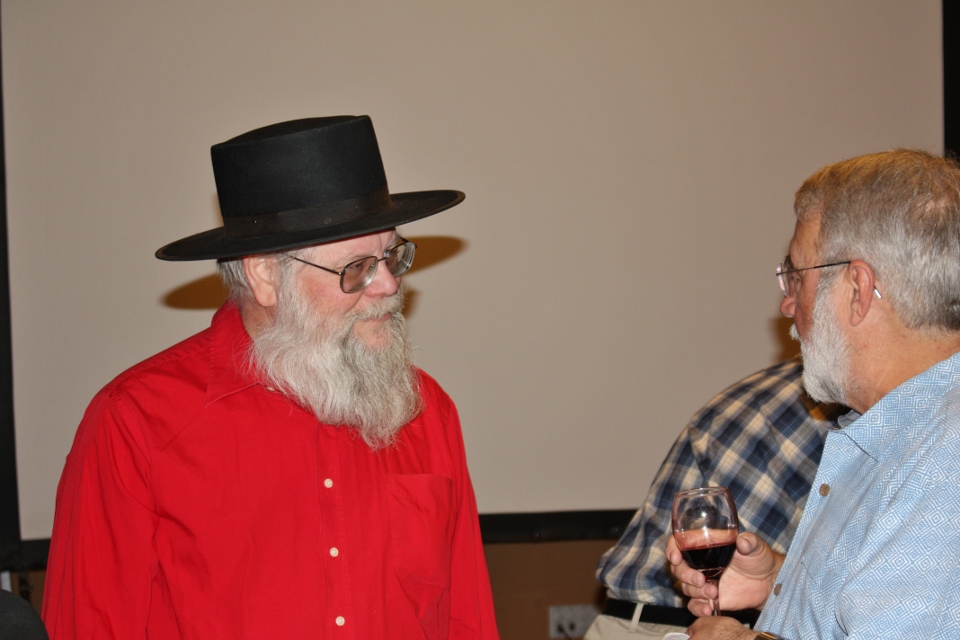
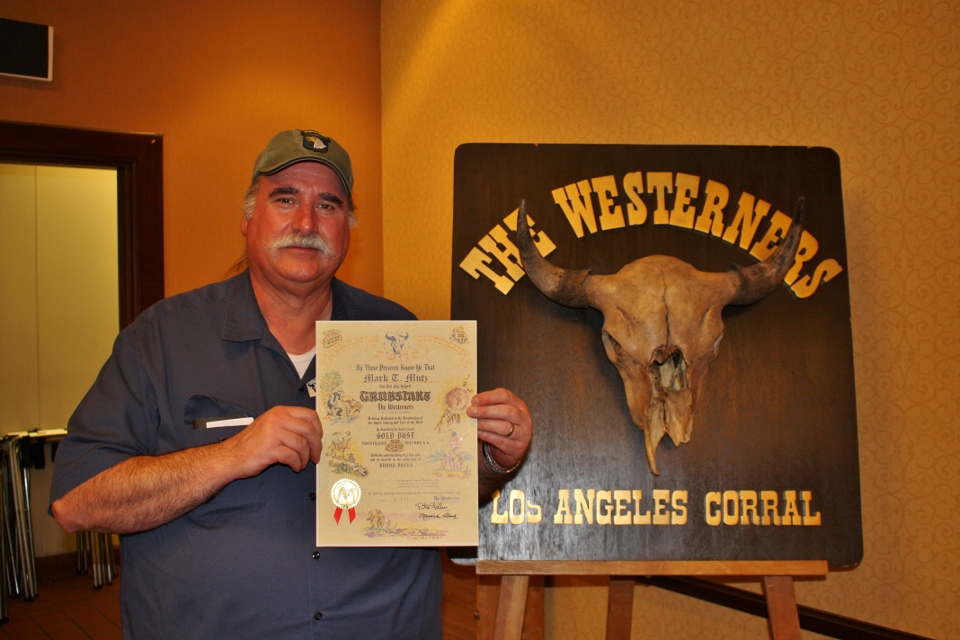
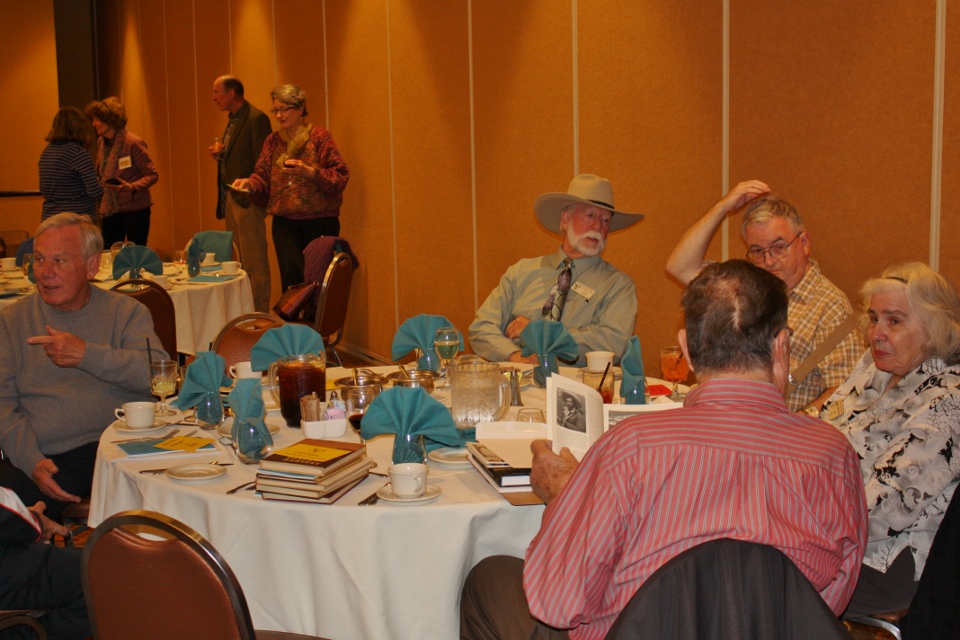
Photos from the Roundup






Living Legend No. 66 – Bob Clark
Westerners International Living Legend No. 66 Bob Clark
Robert A. Clark, distinguished third-generation bookman, publisher, and historian, has had the longest connection with the Los Angeles Corral of Westerners International of any living member, from his own infancy. Paul Galleher, co-owner of the Arthur H. Clark Company, was one of the original 1946 founders of the Los Angeles Corral of the Westerners. Galleher served as the Corral’s second Sheriff in 1948, the same year that Robert A. Clark was born in Pasadena. Bob’s father Art Clark soon joined the Los Angeles Corral, and became very active within it. While Harry Truman was in the White House a very young Bob Clark not only cruised the lanes between the stacks of his family’s bookstore on all fours but also later “attended” some of the earliest L.A. Corral Trail Boss meetings as a silent, grade-school-aged observer. His attendance was facilitated during the late 1940s and early 1950s because the L.A. Westerners meetings were held at the A.H. Clark offices/bookstore. In 1953, Bob’s father Art Clark became the Los Angeles Corral’s lucky 7th Sheriff. Bob Clark reminisces about how the L.A. Corral provided an informal education during the Eisenhower years: “Augie Schatra and Don Meadows would complain and holler, but Ray Billington calmed the waters…I watched in awe, and learned about how board meetings worked from these guys.”
Bob’s formal education was at Humboldt State University, where he earned a degree in history, then joined the family publishing business full-time. The Arthur H. Clark Company, founded by Bob’s grandfather in 1902, has an outstanding record of publication in Western American history that is second to none. Robert A. Clark followed in his father’s and grandfather’s footsteps as Editor in Chief (1984) of this very productive and well-respected publishing company and then as CEO (1989) as it moved and expanded from Glendale, California, to Spokane, Washington, and finally to Norman, Oklahoma.
Robert A. Clark began attending the Los Angeles Corral of the Westerners meetings once again, now as an adult, alongside his father. He became a member in his own right in the 1970s. Bob served as the head of the Los Angeles Corral in 1988, following in his father’s footsteps as its first-ever second-generation Sheriff. Bob’s interests and geographical peregrinations led him to join three other Westerners Corrals: Huntington (California), Spokane (Washington), and Cross Timbers (Oklahoma). In doing so he may be unique amongst all Westerners around the world, since his memberships in far-flung corrals are separated almost exactly by 1200+ miles North-South and the same distance East-West. Bob’s long-term commitment to Westerners International was recognized by his election to the WI Board, where he served as President (the Sheriff of all Sheriffs), for the years 2000-2002.
Bob Clark was no less active in the Western History Association. He joined this organization in 1974,attended its conference meetings annually and served in various capacities. He also served on the board of trustees for the Washington State Historical Society from 1990 to 1999, and was vice-president of the board from between 2000 and 2006. Robert A. Clark has also been active in the Oregon-California Trails Association, the Lewis and Clark Trail Heritage Association, and the Mormon History Association.
Simultaneously with his service to Westerners International and other historical organizations, while still at the tiller of the most respected scholarly press specializing in Western American history bearing his family name, Bob Clark’s output reached its zenith: he was personally responsible for publishing 400+ works on the American West through the A.H. Clark company and the University of Oklahoma Press. He also somehow found the time to serve as production editor and designer for no fewer than five different scholarly journals on Western American history: the Southern California Quarterly,California History (the California Historical Society Quarterly), Overland Journal (the California-Oregon Trails Association Quarterly), the California Mission Studies Quarterly Boletín, and We Proceeded On (the Lewis and Clark Trail Heritage Association Quarterly).
Rounding out Bob’s 16-hour workdays, week after week, year after year, he continued the family’s antiquarian book-selling business as part of the A.H. Clark Company’s fully-rounded commitment to Western American history. Not only the publisher of works by other leading scholars, including Westerners from many different corrals, Bob has also contributed in his own “write” as well, as the author, co-author, and editor of three books, and several dozen book introductions and articles on Western American history.
After more than eight decades in Glendale, California, Bob moved the Arthur H. Clark Company to Spokane, Washington, in 1989. Then, in 2006, Bob moved both himself and his wife Sheila along with the A.H. Clark Company to Norman, Oklahoma. There it functioned as an imprint of the University of Oklahoma Press under his direction. In 2012 Bob and Sheila moved back west to “Baja British Columbia” where he was honored to serve as the Editor-in-Chief of Washington State University Press. The veteran of more years in scholarly publishing than any other three or four hard-working bibliophiles, Bob finally retired in 2019. He is now most easily reached by cell phone on the Pullman, Washington, golf course, except during inclement weather.
Few historian-publishers have had a closer and more formative relationship with the Frontier West than Robert A. Clark. For more than half a century just about every member of all 70+ Westerners Corrals around the world have enthused about books published by him. These find places of honor on bookshelves in both public and private libraries alongside earlier volumes published by Bob’s father and grandfather. Western historians for more than a century have thanked their lucky stars that three generations of Clarks, and the wonderful Arthur H. Clark Company, have so diligently and outstandingly filled their literary needs for so long.
The Los Angeles Corral is pleased and proud to announce that the Home Ranch of Westerners International has accepted Robert A. Clark as Living Legend No. 66, an honor as well-deserved as it is overdue
Nominated by Brian Dervin Dillon, Ph.D., 8 17 2019
Members’ Store
Fandango Store
Click here for the Fandango Store, where you can purchase your registration online!
Rendezvous Store
Click here for the Rendezvous Store, where you can purchase your registration online!
Roundup Store
Click here for the Roundup Store, where you can purchase your registration online!
Annual Dues Store
Click here for the Dues Store, where you can pay online!
Roundup: December 2021
Roundup Synopsis
Taken from the Winter 2021 Branding Iron.
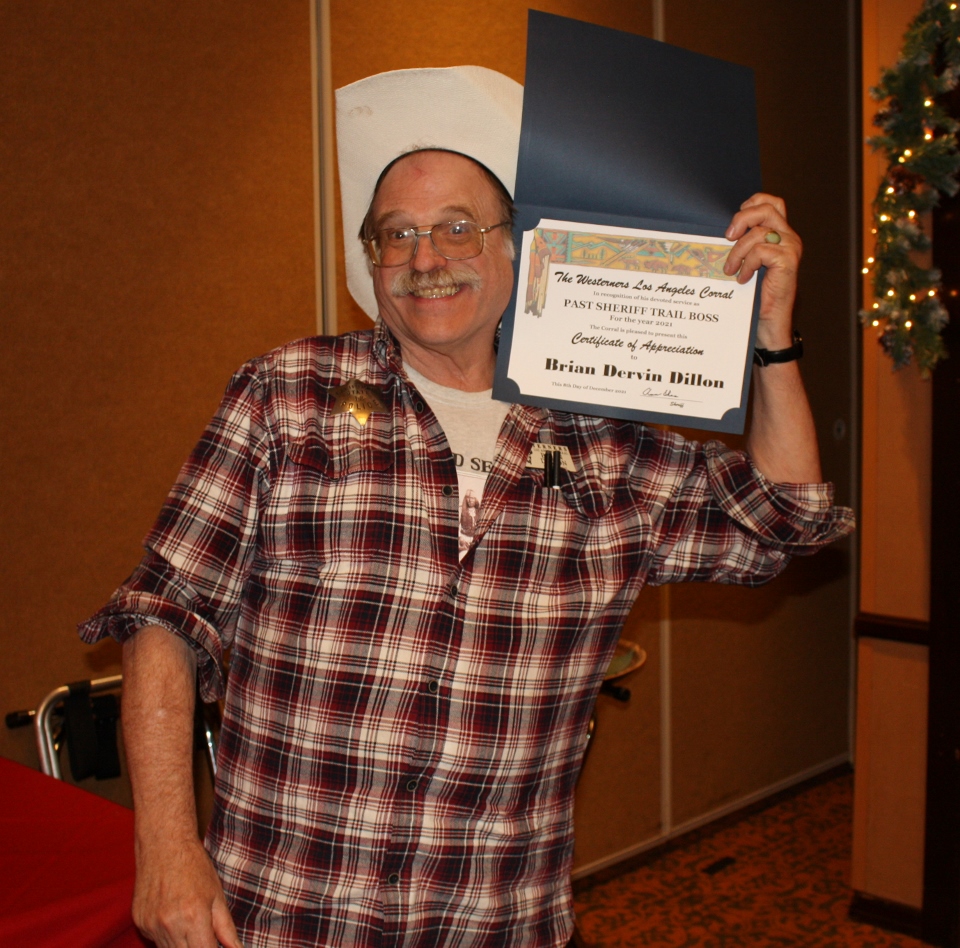
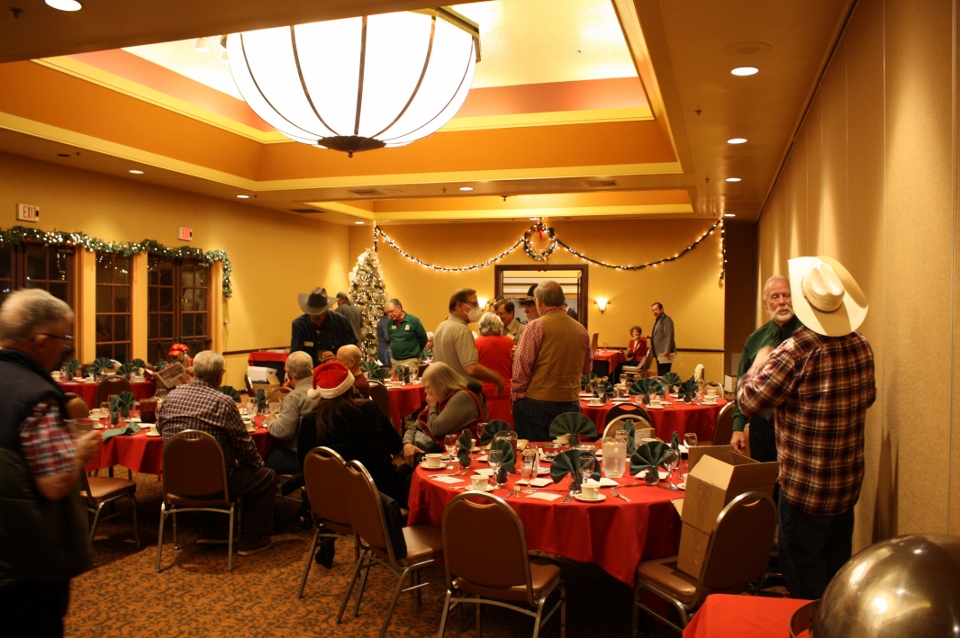
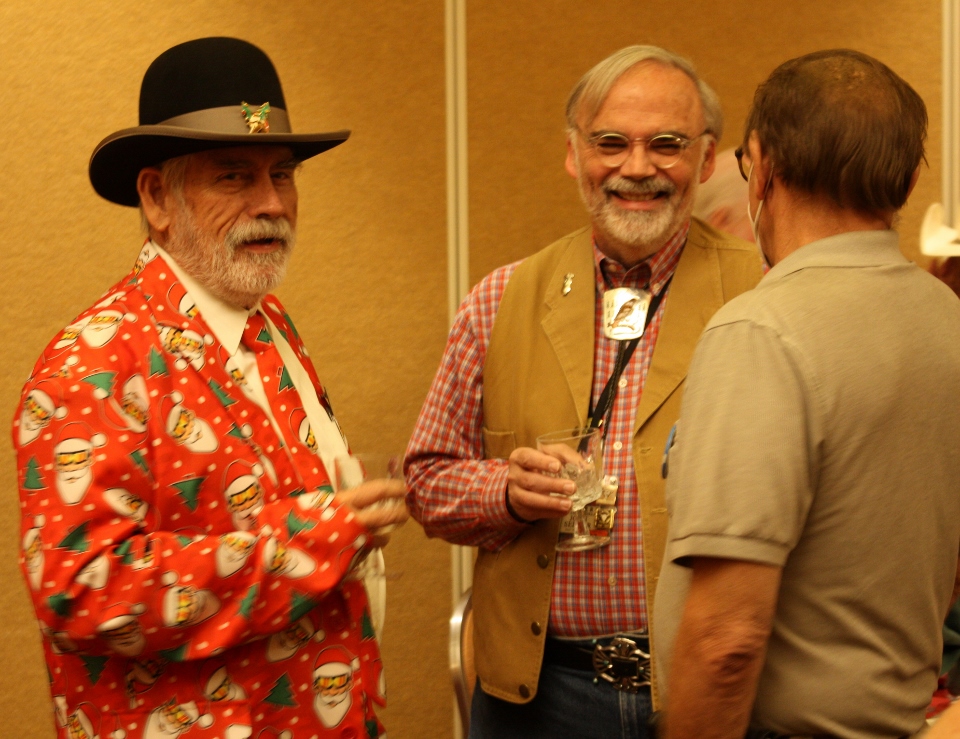
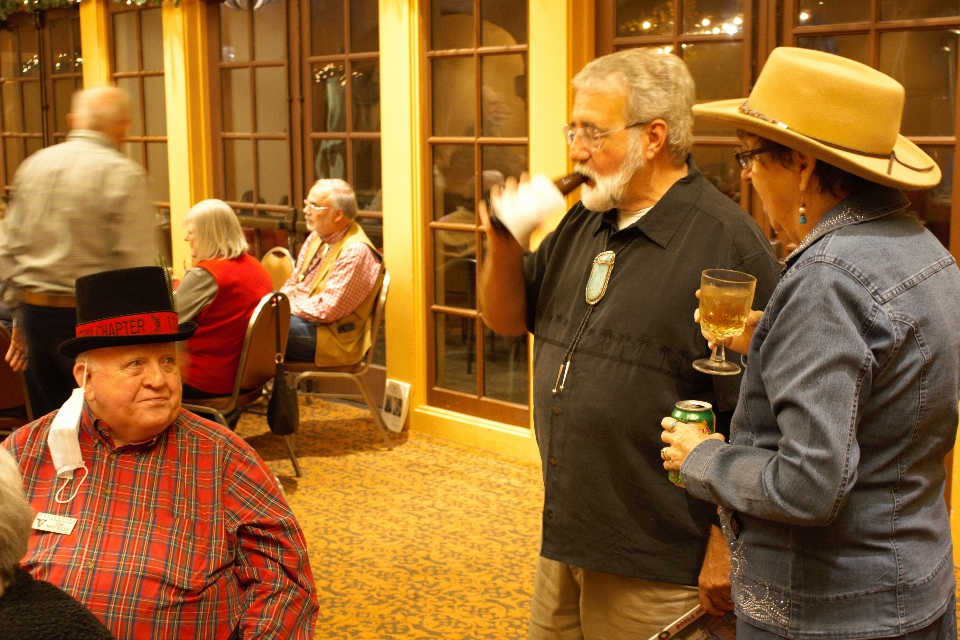
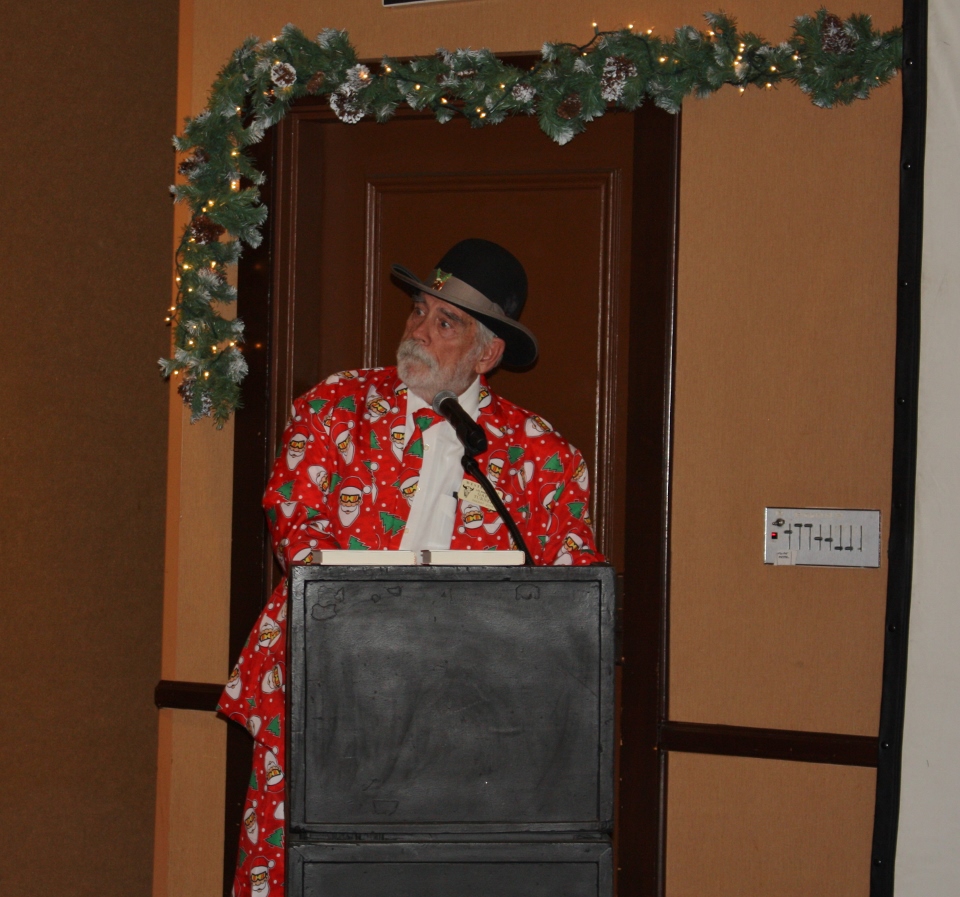
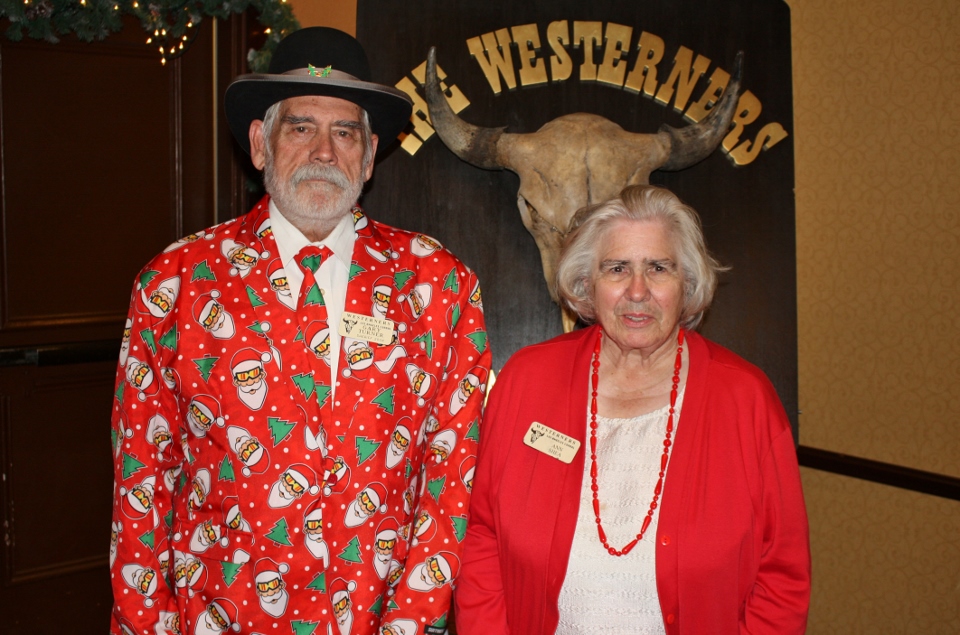
The December Roundup was the last meeting of 2021, and of the Westerners’ brief return to in-person gatherings before Omicron forced a new wave of pandemic restrictions. Blissfully ignorant of this future, our meeting was animated with festive cheer, cherries jubilee, and philosophical questions like, “Are we alone in the universe?” The night’s speaker, Gary Turner, offered his answer by sharing his personal journey down the rabbit hole—or rather, up the tractor beam—of UFOlogy. Since the dawn of prehistory, humanity has looked to the heavens as the realm of gods and fate, and devoted lifetimes to divining the wisdom in the stars. Pilgrims to Roswell, New Mexico, have retraced this ancient process of mythmaking, with extraterrestrials becoming today’s celestial beings. Scientific certainty has made the night sky cold and lonely by removing its sense of mystery, but with a little imagination, it can still, indeed, be out of this world.
— John Dillon
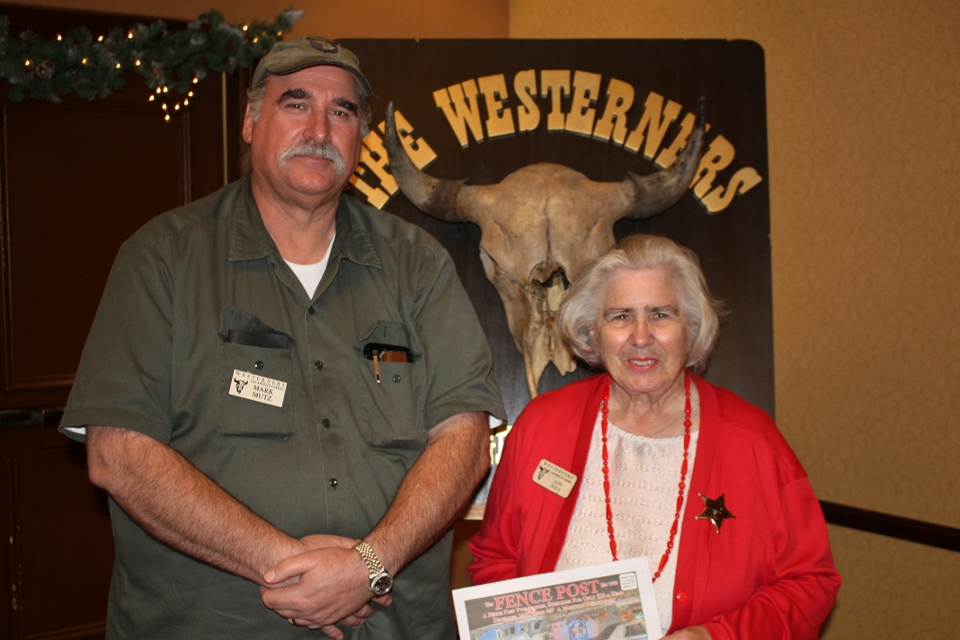
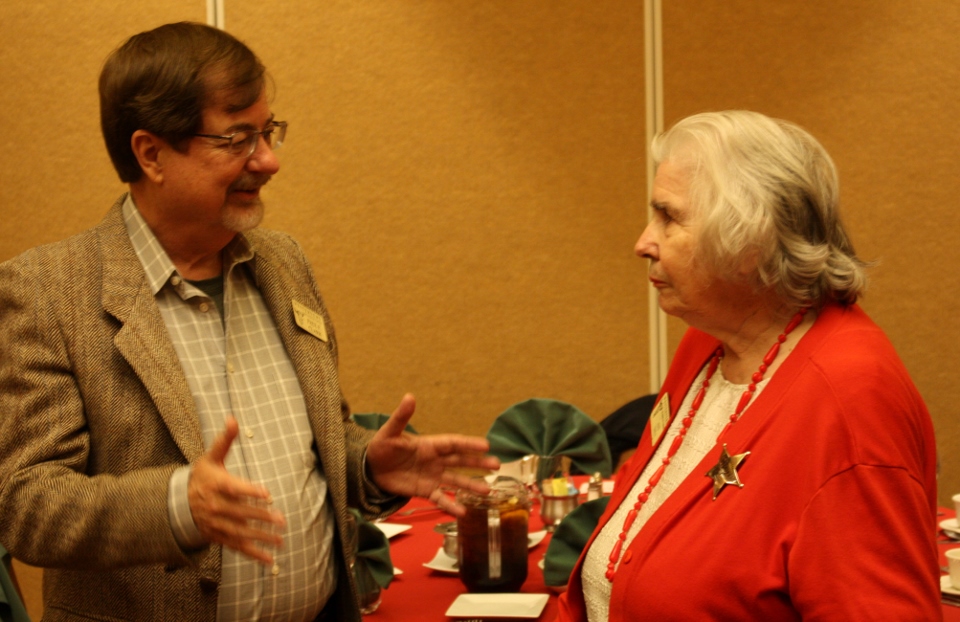
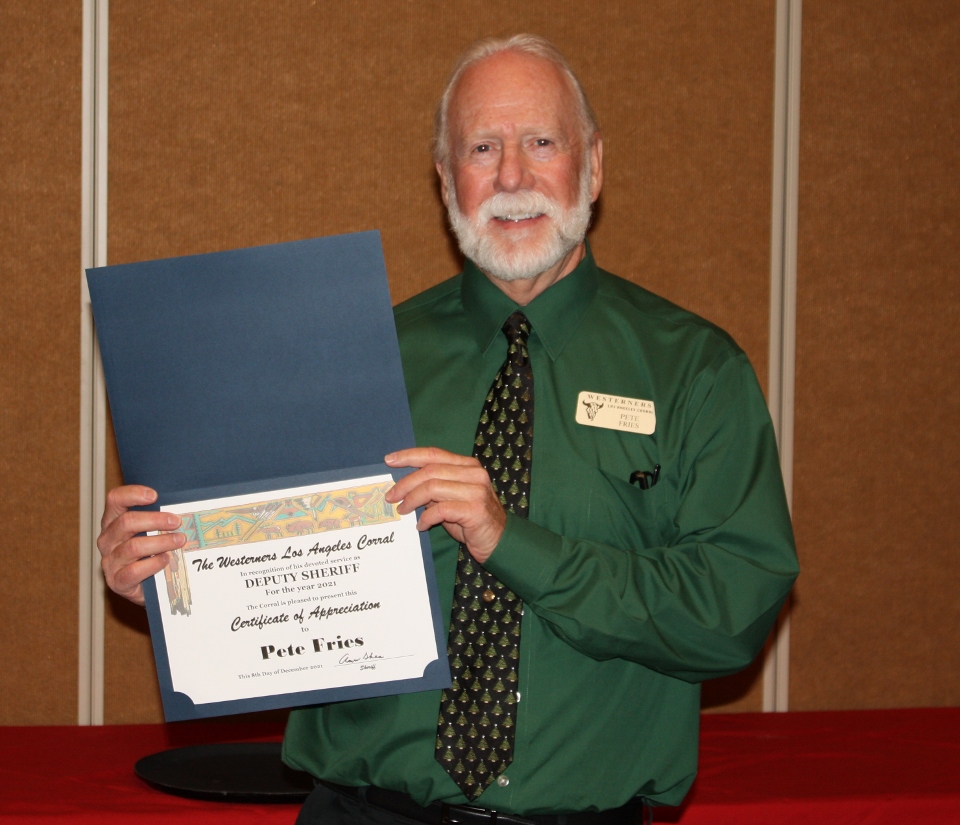
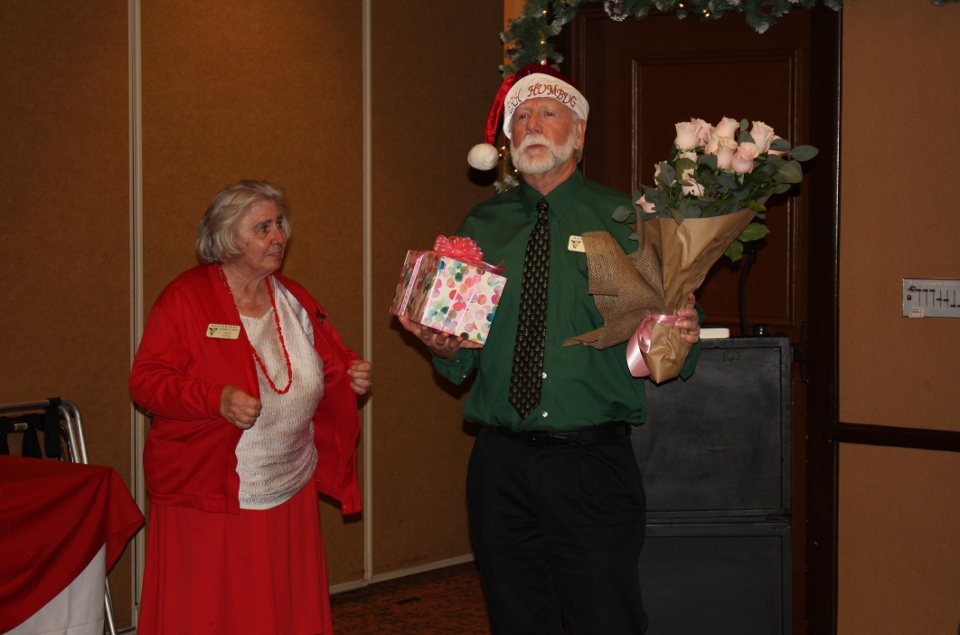
Photos from the Roundup
Los Angeles Corral of Westerners
Welcome to the online home of the Los Angeles Corral of Westerners. We invite you to browse our site, learn more about our organization, and even consider joining us.