The Westerners Brand Book #25 (2022)
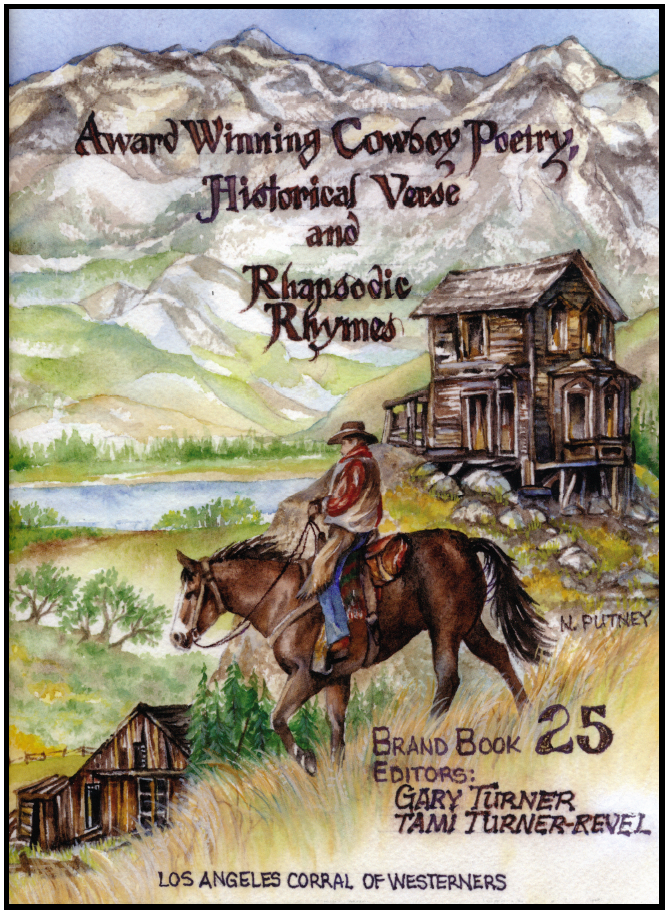
Award Winning Cowboy Poetry, Historical Verse, and Rhapsodic Rhymes
Gary Turner and Tami Turner-Revel, Editors
Synopsis
Los Angeles Corral Brand Book 25, Award Winning Cowboy Poetry, Historical Verse, and Rhapsodic Rhymes has just been published. It is the first full-length book of poetry ever published by any of the 70+ Westerners Corrals around the world, and is beautifully illustrated with original artwork by renowned western artist Nancy Putney. Brand Book 25 reprises poems that won the Fred Olds Cowboy Poetry Award from Westerners International between 2007 and 2019, as well as brand-new offerings published for the very first time. Contributors include Bill Bender, Joseph Cavallo, Barbara J. Goldeen, Tim Heflin, Abraham Hoffman, Eric Nelson, Pablo/Paul McClure, Kenneth Pauley, Jan Porter, Paul Rippens, Jerry Selmer, Paul & Nolene Showalter, Froylán Tiscareño, Daryl Turner, Gary Turner, and Loren Wendt. Gary Turner and Tami Turner-Revel, editors; hardbound, illustrated, 368 pages, 2022.
The Westerners Brand Book #24 (2020)
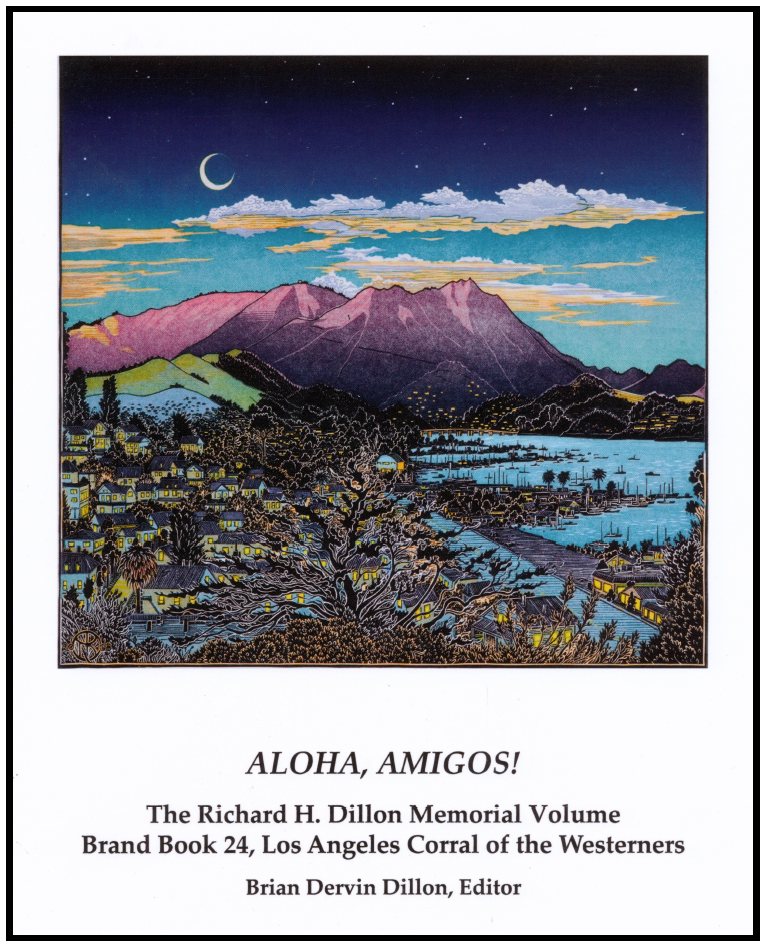
Aloha Amigos!
Brian Dervin Dillon, Editor
Synopsis
Los Angeles Corral Brand Book 24, Aloha, Amigos! Is the Richard H. Dillon Memorial Volume. Dick Dillon (1924-2016) was a world-famous western historian, librarian, teacher, and public speaker. He was the single most productive historical writer on California and the American West, who published dozens of full-length books, hundreds of scholarly journal and popular magazine articles, and thousands of book reviews over a longer period of time (82 years) than any other writer. Richard H. Dillon was a long-time member of both the Los Angeles and the San Francisco Corrals of Westerners International, and was made a W.I. Living Legend in 2003.
Aloha Amigos! Won the Westerner’s International Best Book Award in 2021. It features the first ever biography of Richard H. Dillon, culture-historical studies and paeans by his friends, colleagues, and admirers, and the first comprehensive bibliography of his published works. Contributors from four different Westerners International corrals include Will Bagley, Peter Blodgett, John Boessenecker, Matthew Boxt, Phil Brigandi, Robert Chandler, David Dary, James Delgado, Brian D. Dillon, Lynn Downey, Abraham Hoffman, Tommy Killion, Gary Kurutz, Valerie Sherer Mathes, James Shuttleworth, Kevin Starr, and Francis J. Weber. Brian Dervin Dillon, editor; hardbound, illustrated, 588 pages, 2020. To order: please use the multi-volume order form following this notice.
Contents
-
- Foreword — Kevin Starr
I: Biographical
-
- Duke Lopez in Sausalito (1924-1943) — Brian Dervin Dillon
- The Perfesser with his Uncle Samuel (1943-1946) — Brian Dervin Dillon
- Sutro Dick, the Kid in the Candy Store (1946-1959) — Brian Dervin Dillon
- Dick Dillon, the Literary Alchemist (1959-1979) — Brian Dervin Dillon
- Aloha, Amigos! the Latest Word from RHD (1979-2016) — Brian Dervin Dillon
- RHD Biographical Notes, Bibliography, Appendices — Brian Dervin Dillon
II: Culture-Historical Contributions
-
- Late Prehistory at La Venta, Tabasco, Mexico — Matthew A. Boxt
- California’s Twelve “Apostles” — Francis J. Weber
- Later Travel on the Southern Emigrant Trail — Phil Brigandi
- Black Rights and Squelched Secessionists in California — Robert J. Chandler
- San Francisco’s Old Ship Saloon — James P. Delgado
- Helen Hillyer Brown, the Comstock and Beyond — Lynn Downey
- The Pacific Mail Steamship Line — James Shuttleworth
- The Women’s National Indian Association in Northern California — Valerie Sherer Mathes
III: Paeans
-
- Historian, Librarian, and Biblio-Friend — Gary Turner and Tami Turner-Revel
- Postcards from Dick Dillon — David Dary
- Dillonography — John Boessenecker
- Richard H. Dillon, Book Reviewer — Abraham Hoffman
- Richard H. Dillon as Documentary Editor — Peter J. Blodgett
- Historian’s Historian — Will Bagley
IV: Dick Dillon’s Literary Legacy
-
- Richard H. Dillon’s Published Works — Brian Dervin Dillon
V: About the ContributorsVI: The Los Angeles Corral



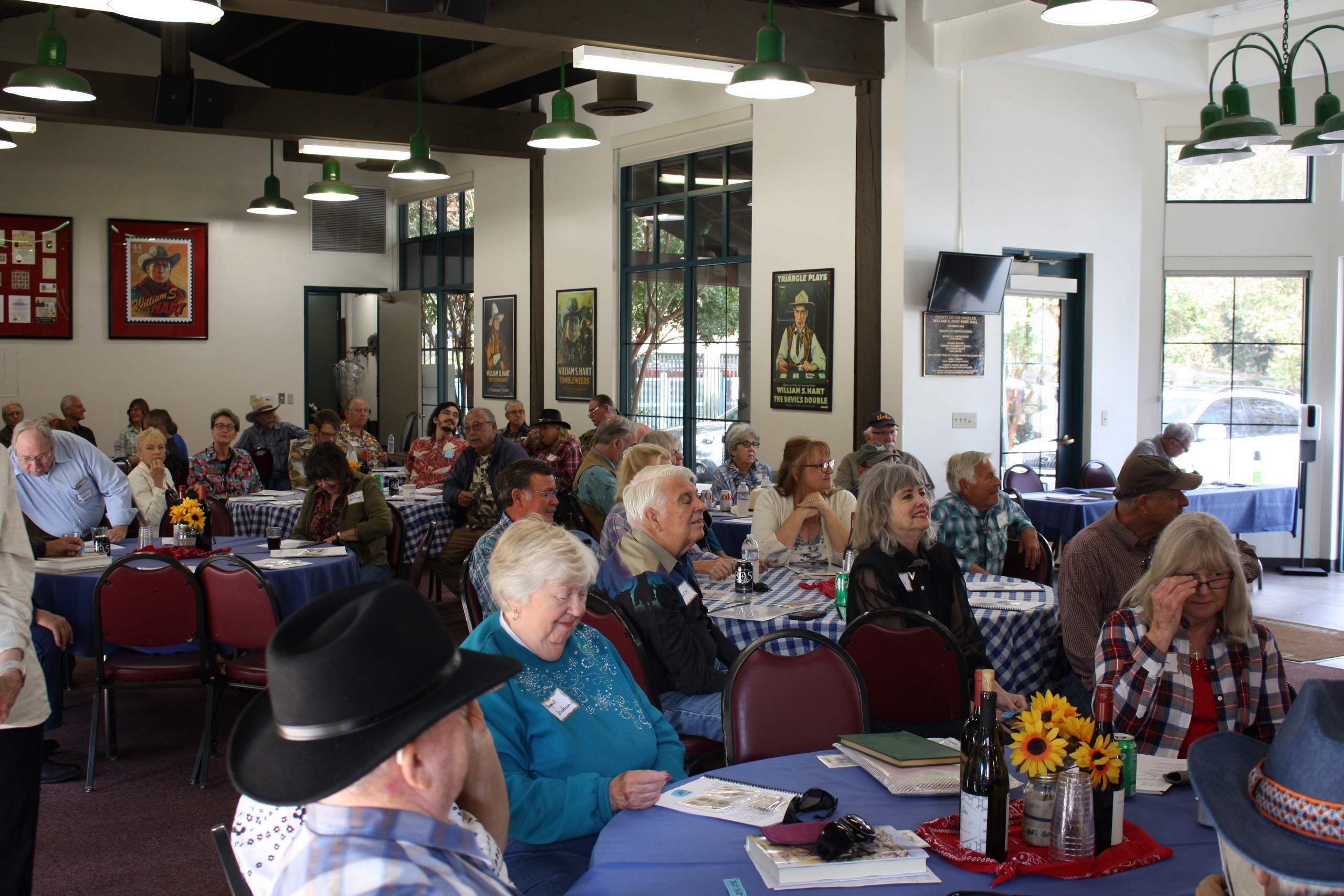
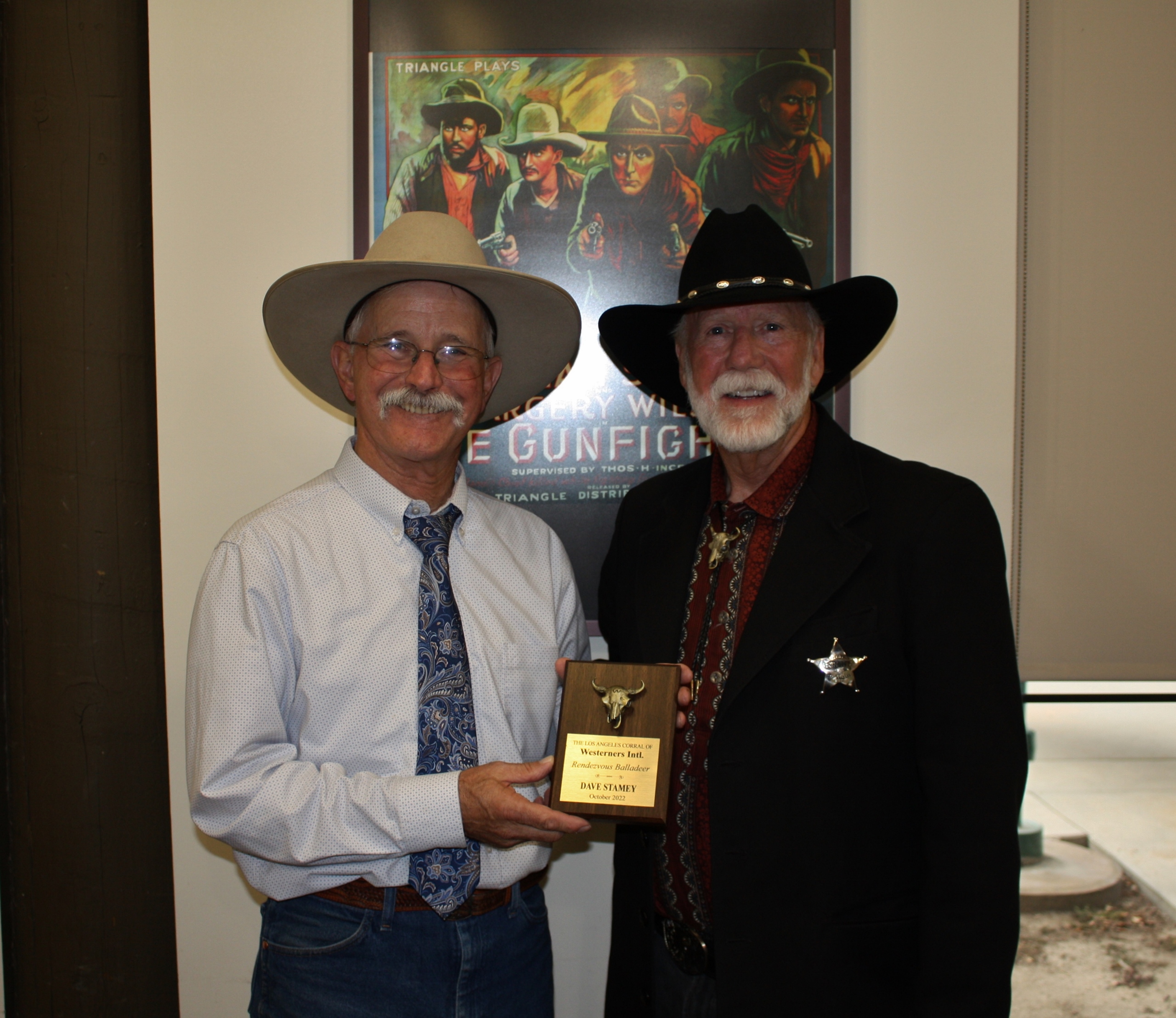

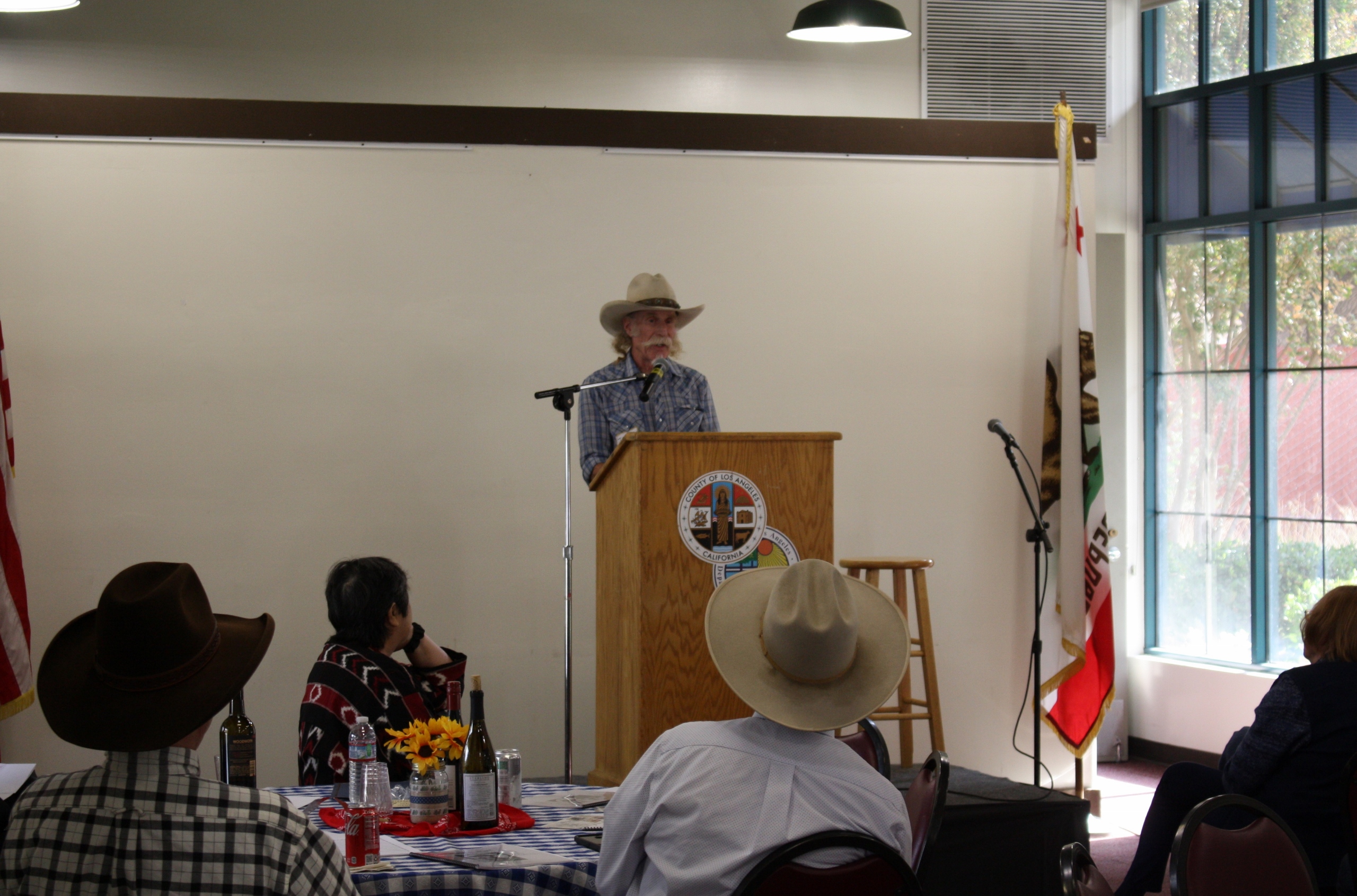
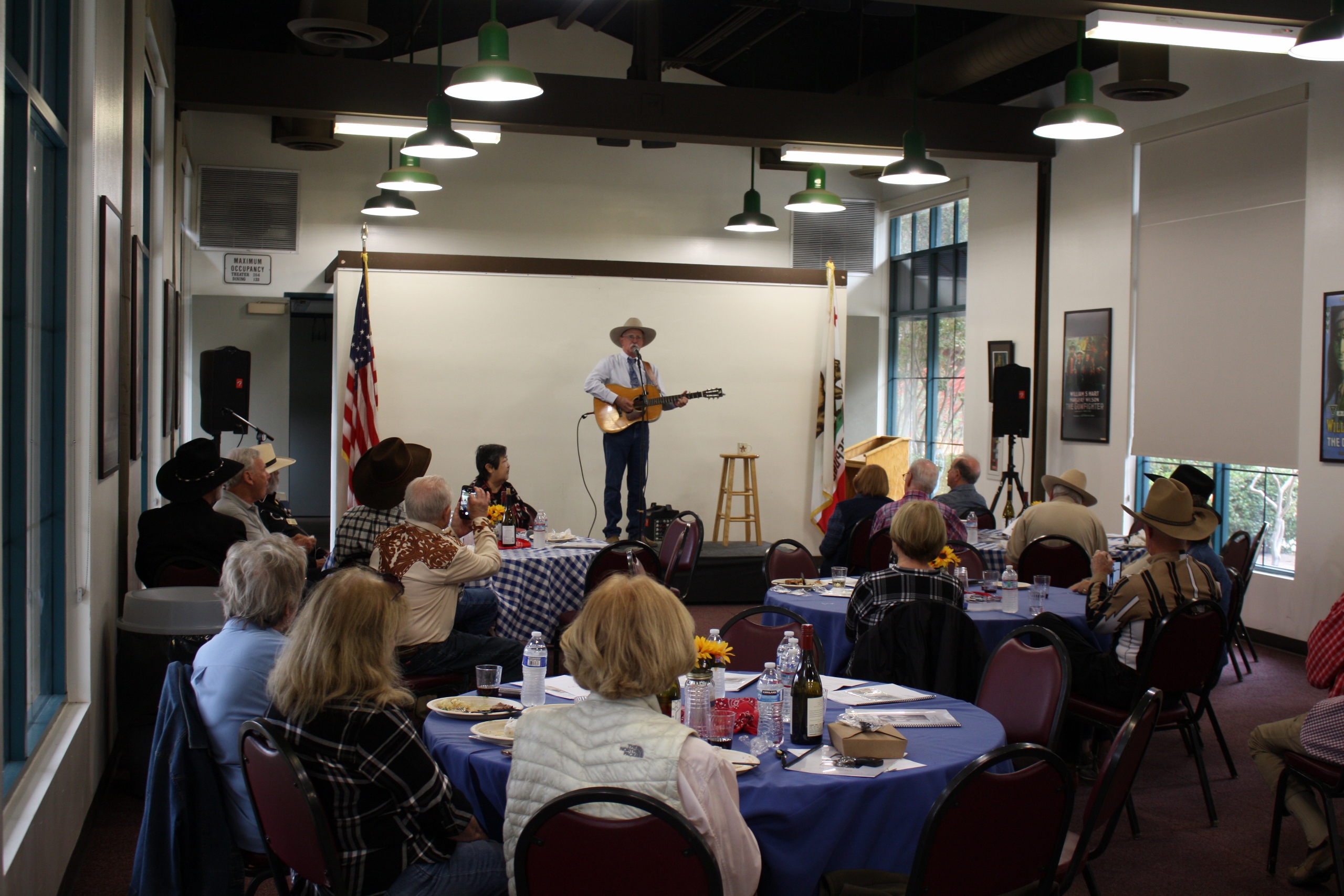

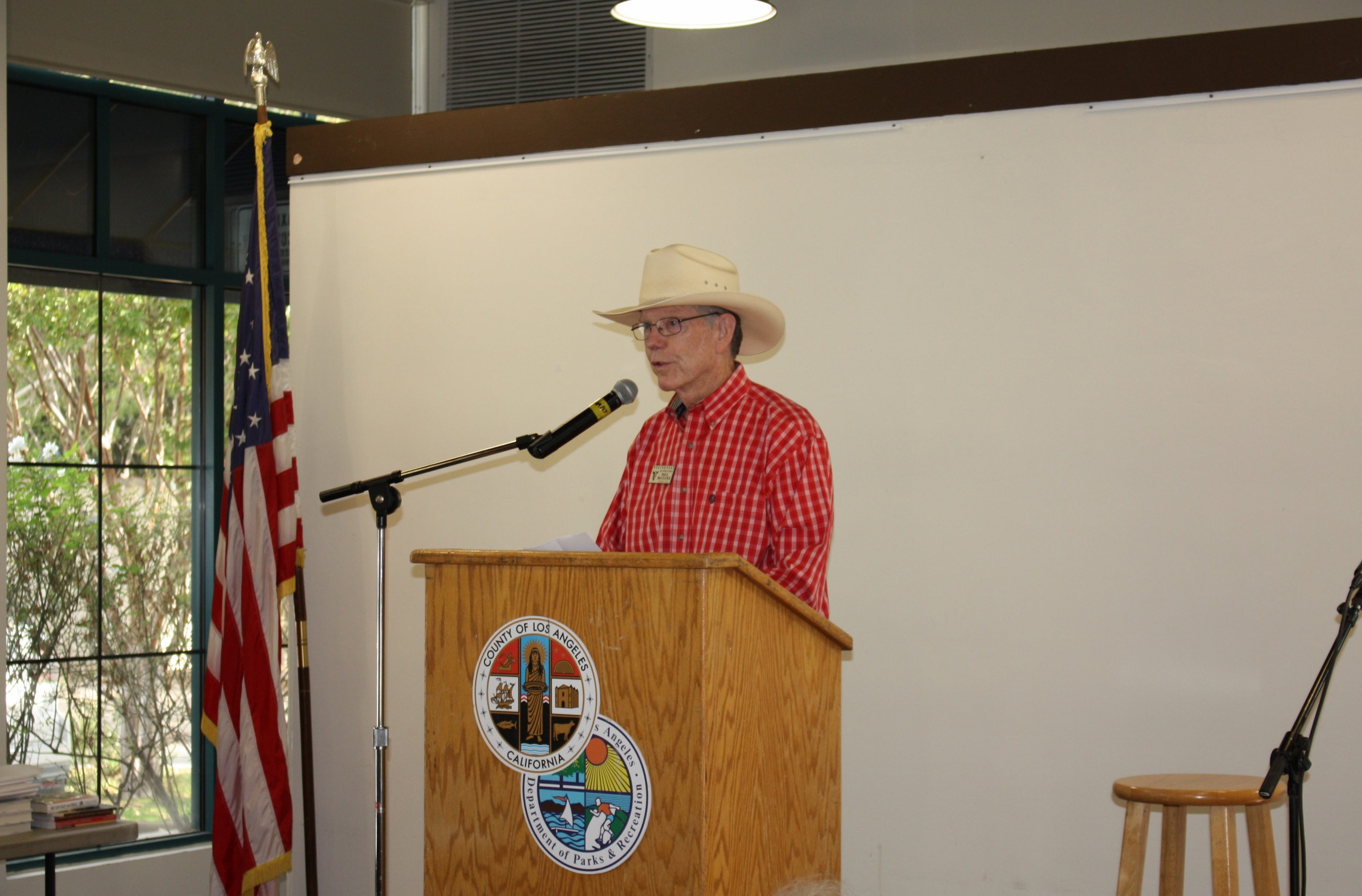
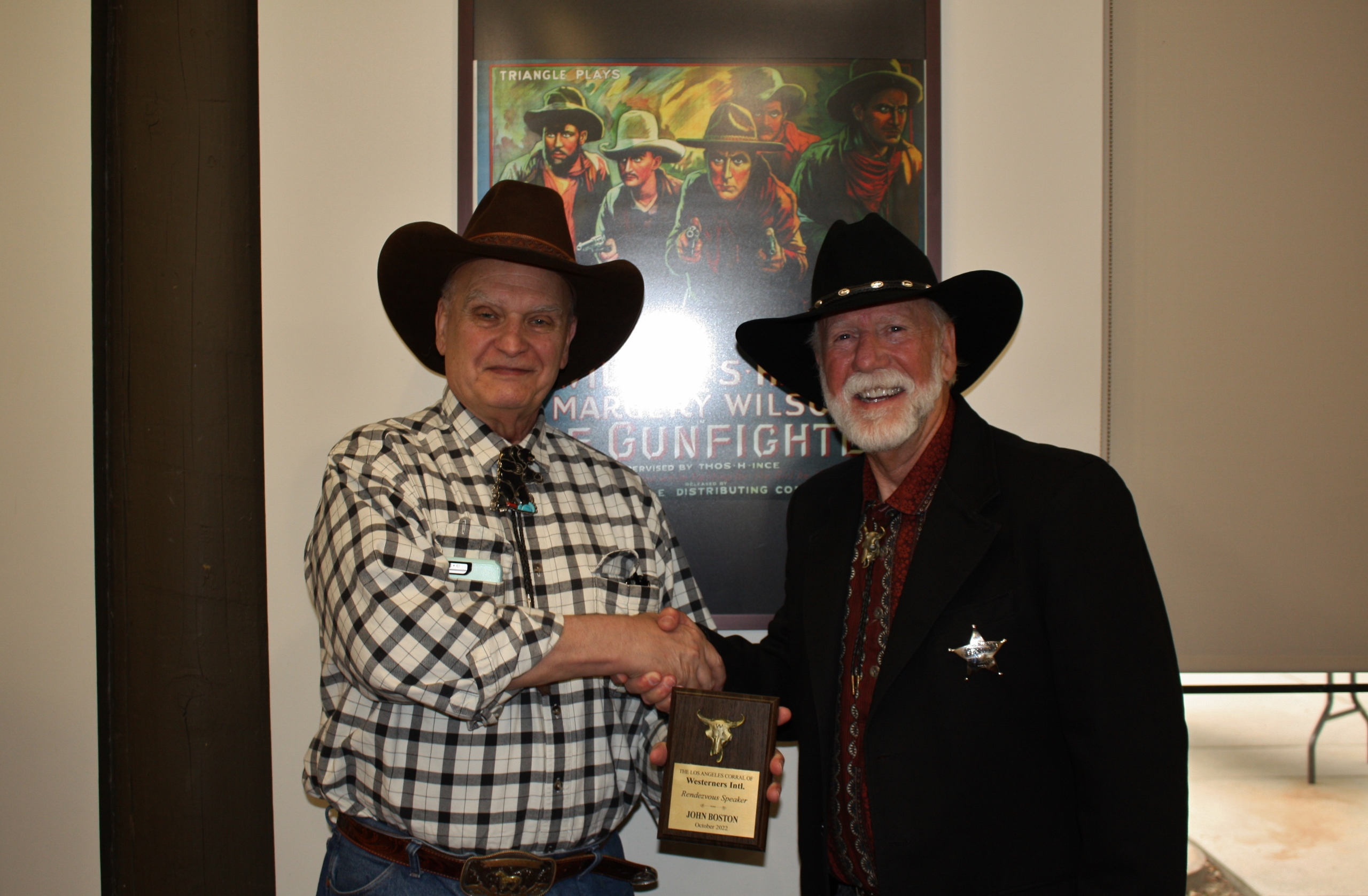
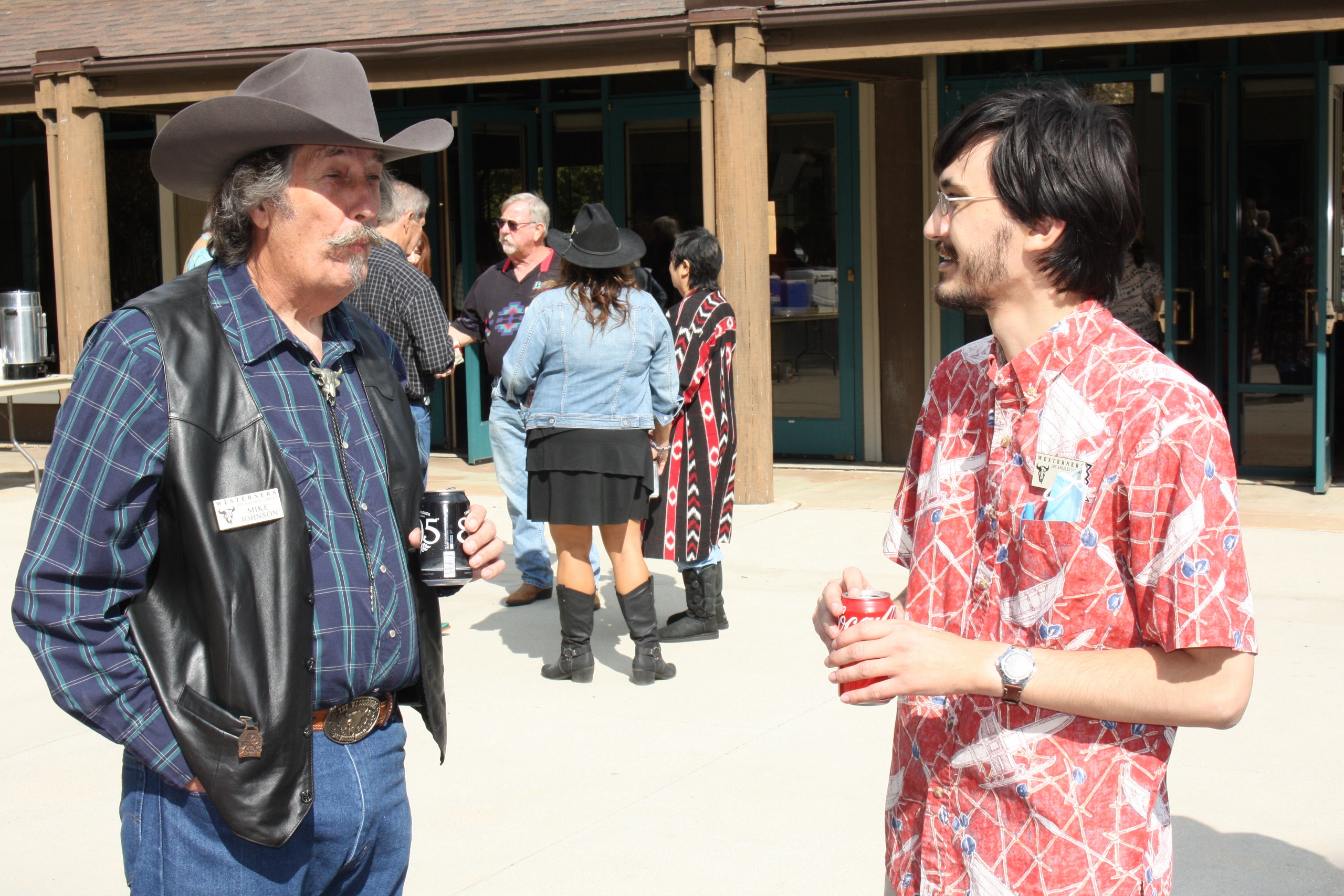
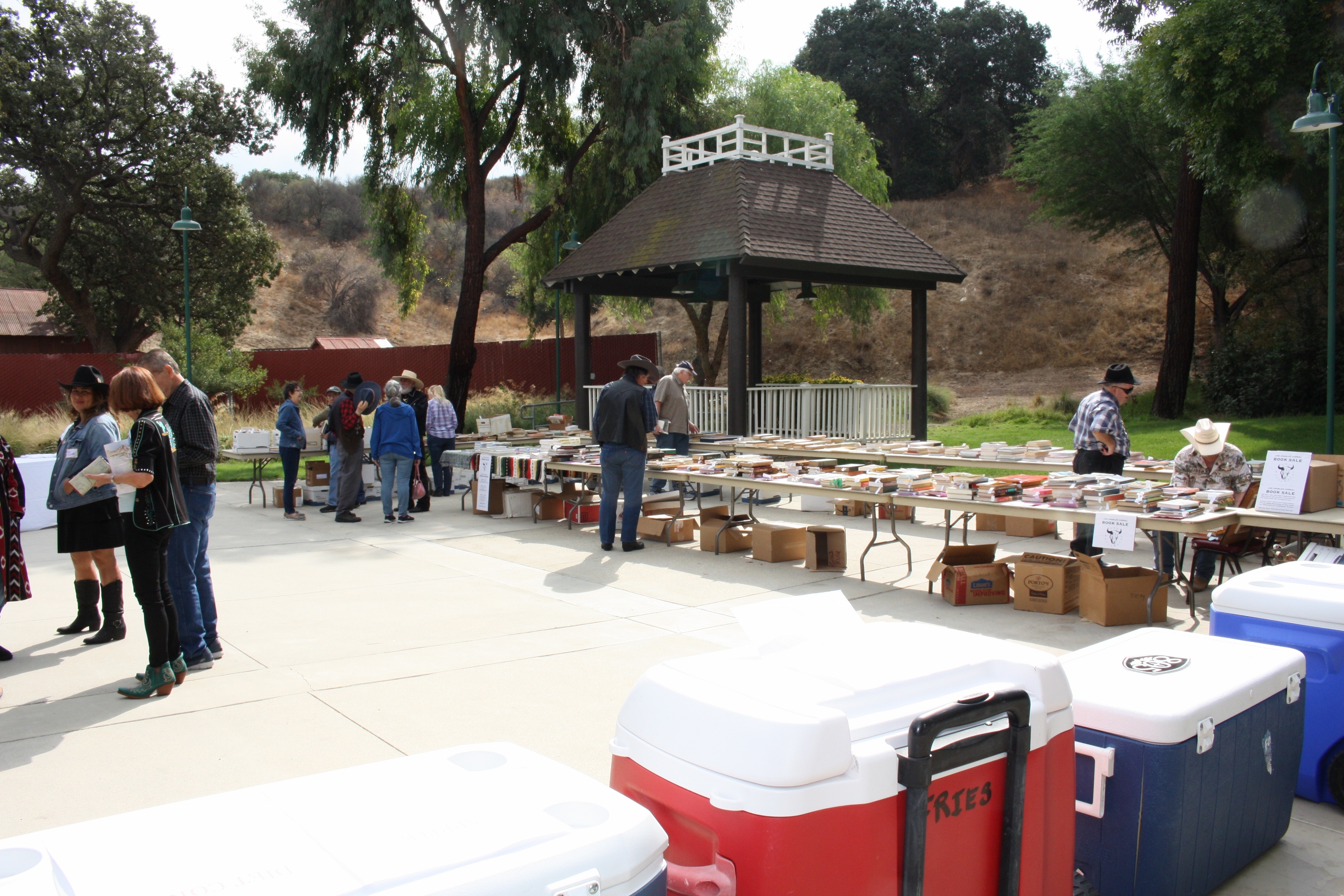


Roundup: September 14 2022
Westerners-September-14-2022-Roundup-Flyer
Roundup Synopsis
Taken From Branding Iron 308 Fall 2022.
September’s Roundup saw the L.A. Corral welcome guest speaker George Geary as he cooked up a delectable feast for the palette of our nostalgia, guiding us on a trip down one of California’s best memory lanes. A celebrity chef with experience ranging from the kitchens of Disneyland to sets of “The Golden Girls”, Mr. Geary talked us through some of the highlights of his book, Made in California: the California-Born Burger Joints, Diners, Fast Food & Restaurants that Changed America. The book, available on Amazon (ISBN: 1945551917), features a plethora of California’s culinary quick-stop favorites, ranging from Bob’s Big Boy to Peet’s Coffee.
The theme of Mr. Geary’s lecture centered on the evolution, including name and location changes, of some of California’s most beloved casual eateries. One notable example was his charming anecdote about the early days of the McDonald’s restaurant. The McDonald brothers cut their teeth in the movie industry, and after not having much success in film, decided to purchase a theater in Glendora. When that venture went belly up, the brothers were left with a load of usherette uniforms. Rather than see their stock go to waste, they started a drive-in restaurant and clad some lovely carhops in the surplus duds. However, as Mr. Geary put it, “The boys liked the carhops too much… so they made the guys get out of their cars and order the food from the window.” Thus McDonald’s, originally called McDonald Brothers BBQ, was born.
Perhaps of particular interest to those of us familiar with the hot rods that descend on Burbank each week to show off their chrome at Bob’s Big Boy, is the somewhat unique story of that establishment’s early franchise model. Bob’s Pantry, as it was originally known, did not franchise its restaurants directly, but rather, it franchised the rights to its burger recipe. So, anyone among us familiar with the Eastern U.S. chains of Shoney’s or Frisch’s Big Boy now know why the burgers slung in those joints are so similar to those served at our beloved Burbank, California Bob’s… they’re actually cousins! George also told us about a similar situation with Dinah’s Family Restaurant near LAX. Apparently, Kentucky Fried Chicken once employed a similar model in franchising their product, and that’s why, long ago, Dinah’s had to pay the Colonel 4¢ for every chicken they sold.
George Geary deserves our thanks for his guided tour of California’s culinary heritage. His talk reminds us that these tasty treasures are fading fast from our California landscape. A fortunate few have been turned into landmarks and historic sites, but far too many are wasting away, awaiting the wrecking ball of progress. There are few things able to so viscerally connect us to our past as the old haunts of our youth. So, grab a copy of Made in California, call up your favorite guy or gal, hop in the old lead sled, and get out there to see these pieces of history before they’re all gone. Bon Appetit!
— Alan Griffin
Photos from the Roundup
To be posted soon!
Roundup: August 10 2022
august2022
Roundup Synopsis
Taken From Branding Iron 307 Summer 2022.
In August, the Westerners welcomed Jillian Moore to the Corral. The Wyoming native, and Ph.D. candidate in English at Duquesne University, spoke of subjects related to her forthcoming dissertation. Her talk, entitled “Selling the Image of ‘The West’: Frontier Economies,” challenged us to take stock of what we enjoy about the American West, to ponder the reasons for our interest, and to take care to be appreciative of the history and culture of its Native inhabitants, rather than appropriative. Speaking on such topics in front of a body founded almost solely on appreciation of the West posed some danger, but Ms. Moore rather deftly navigated those choppy waters to enlighten where others may have admonished. If we were to distill the thesis of her discussion into a single phrase, perhaps the most apt would be, “Give credit where credit is due.”
Perhaps the most impactful section of the presentation featured a historic, Blackfoot-made capote, juxtaposed against a modern, Native-”inspired” coat from the Pendleton company. Ms. Moore highlighted the specific elements of the historic garment, illustrating its connection to a specific time, place, and ethnic group. No such specificity was present in the Pendleton coat, as it was simply a mishmash of Native-like designs in a stereotypically Southwestern color scheme. This comparison served to drive home the point that we should be wary of objects and ideas formed from disparate bits of the art and history of marginalized groups, like America’s indigenous communities, and forcing them through a cultural meat-grinder to arrive at something more readily digestible to consumers unfamiliar with the originals.
In the question-and-answer section following the main presentation, Ms. Moore reiterated that the intention of efforts to mitigate this type of co-option is not to demonize those who occasionally stray from appreciation into appropriation (“Let he who is without sin,” etc.), but rather to properly attribute artifacts and ideas to the cultures that bore them. Most scholars would never use a source in their research without citing it. The same thinking could be applied to consumers in the context of the art and artifacts of our indigenous neighbors. It is possible, and likely preferable, to spend our money on goods made by the people whose culture such products represent. Or, at the very least, we can give credit where credit is due.
— Alan Griffin
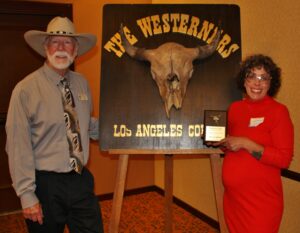
Speaker Jillian Moore and Sheriff Pete Fries
Los Angeles Corral of Westerners
Welcome to the online home of the Los Angeles Corral of Westerners. We invite you to browse our site, learn more about our organization, and even consider joining us.