Roundup: August 13, 2014
Almansor Court – 700 S. Almansor, Alhambra, CA.
Social Hour: 5:00 PM
Dinner: 6:00 PM
Speaker: Geraldine Knatz
Subject: The Lost Communities of Terminal Island
Click here to view photos from the event.
Dr. Geraldine Knatz, using a powerpoint presentation, is going to tell us about the history of Terminal Island from its beginnings. She will draw from her intimate knowledge of its now preserved archives. Such an understanding only comes to those historians with such hands on work of both the history and the environment of the main Port of Los Angeles. This rare insight will also be accompanied by a harbor tour later in the week on Friday in which Dr Knatz and other harbor historians will be available for follow up and discussion ship board.
Knatz retired as the Executive Director of the Port of Los Angeles February 2014 after eight years as its CEO. Prior to that Knatz was Managing Director of the Port of Long Beach.
She was instrumental in implementing an effective environmental improvement plan that cleared the way for major new developments at the West Coast’s largest transportation and international trade hub.
Knatz established the Port of Los Angeles Historical Archives and hired an archivist to ensure historical records and more than 200,000 photographs were preserved and made available.
She has an undergrad degree in Zoology from Rutgers, and both a masters in Environmental Engineering and doctorate in biological science from USC, and currently teaches the Practice of Policy and Engineering at USC.
Knatz is co-author with Naomi Hirahata of Terminal Island, Lost Communities of Los Angeles Harbor. Over a hundred years ago, there were islands in San Pedro Bay known as Rattlesnake Island and Deadman’s Island and three distinct residential communities: East San Pedro, Terminal, sometimes called Terminal Beach, and Brighton Beach.
Many residents were part of the Bohemian culture that developed in Los Angeles. These people were generally squatters who lived a precarious existence. When the Terminal Land Company began promoting Terminal Island as a resort destination, wealthy Los Angeles residents were building summer “cottages” right at the edge of the surf. Today there is one large industrialized land mass known as Terminal Island, home to containers and rail facilitates that service the goods movement industry across the nation.
Click here to view photos from the event.
Paul McClure
Deputy Sheriff
Roundup: August 13, 2014
Almansor Court – 700 S. Almansor, Alhambra, CA.
Social Hour: 5:00 PM
Dinner: 6:00 PM
Speaker: Geraldine Knatz
Subject: The Lost Communities of Terminal Island
Click here to view photos from the event.
Dr. Geraldine Knatz, using a powerpoint presentation, is going to tell us about the history of Terminal Island from its beginnings. She will draw from her intimate knowledge of its now preserved archives. Such an understanding only comes to those historians with such hands on work of both the history and the environment of the main Port of Los Angeles. This rare insight will also be accompanied by a harbor tour later in the week on Friday in which Dr Knatz and other harbor historians will be available for follow up and discussion ship board.
Knatz retired as the Executive Director of the Port of Los Angeles February 2014 after eight years as its CEO. Prior to that Knatz was Managing Director of the Port of Long Beach.
She was instrumental in implementing an effective environmental improvement plan that cleared the way for major new developments at the West Coast’s largest transportation and international trade hub.
Knatz established the Port of Los Angeles Historical Archives and hired an archivist to ensure historical records and more than 200,000 photographs were preserved and made available.
She has an undergrad degree in Zoology from Rutgers, and both a masters in Environmental Engineering and doctorate in biological science from USC, and currently teaches the Practice of Policy and Engineering at USC.
Knatz is co-author with Naomi Hirahata of Terminal Island, Lost Communities of Los Angeles Harbor. Over a hundred years ago, there were islands in San Pedro Bay known as Rattlesnake Island and Deadman’s Island and three distinct residential communities: East San Pedro, Terminal, sometimes called Terminal Beach, and Brighton Beach.
Many residents were part of the Bohemian culture that developed in Los Angeles. These people were generally squatters who lived a precarious existence. When the Terminal Land Company began promoting Terminal Island as a resort destination, wealthy Los Angeles residents were building summer “cottages” right at the edge of the surf. Today there is one large industrialized land mass known as Terminal Island, home to containers and rail facilitates that service the goods movement industry across the nation.
Click here to view photos from the event.
Paul McClure
Deputy Sheriff










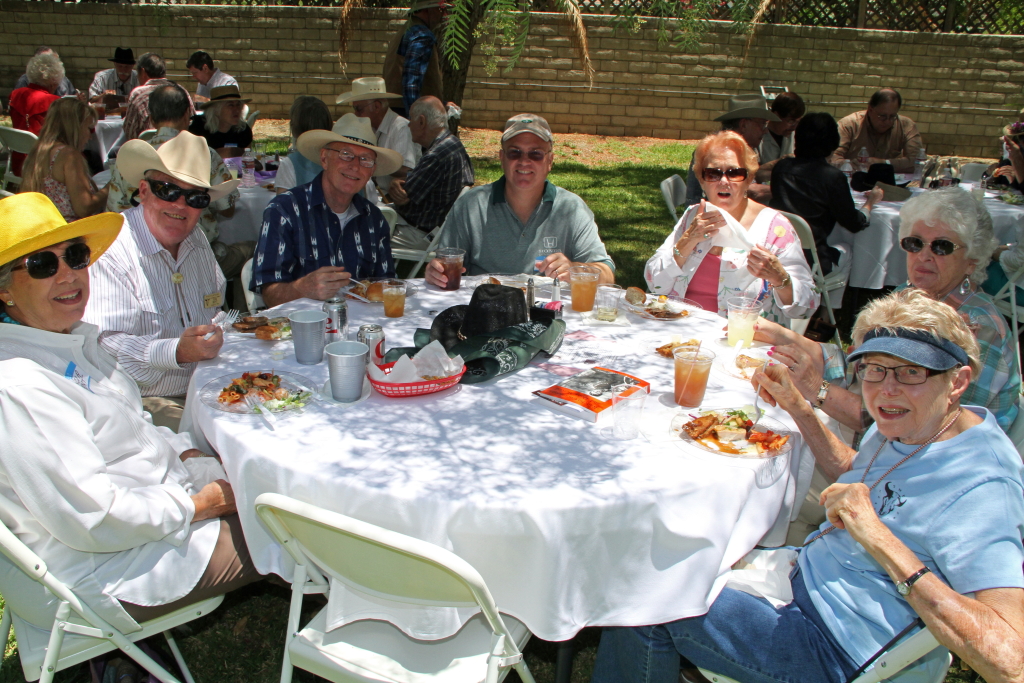
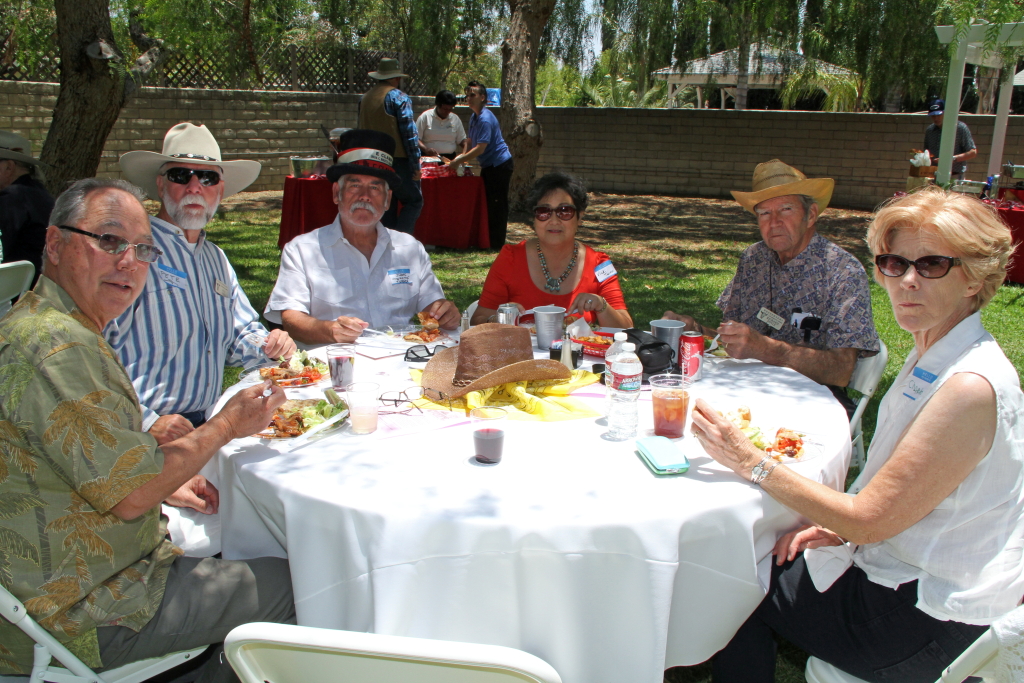



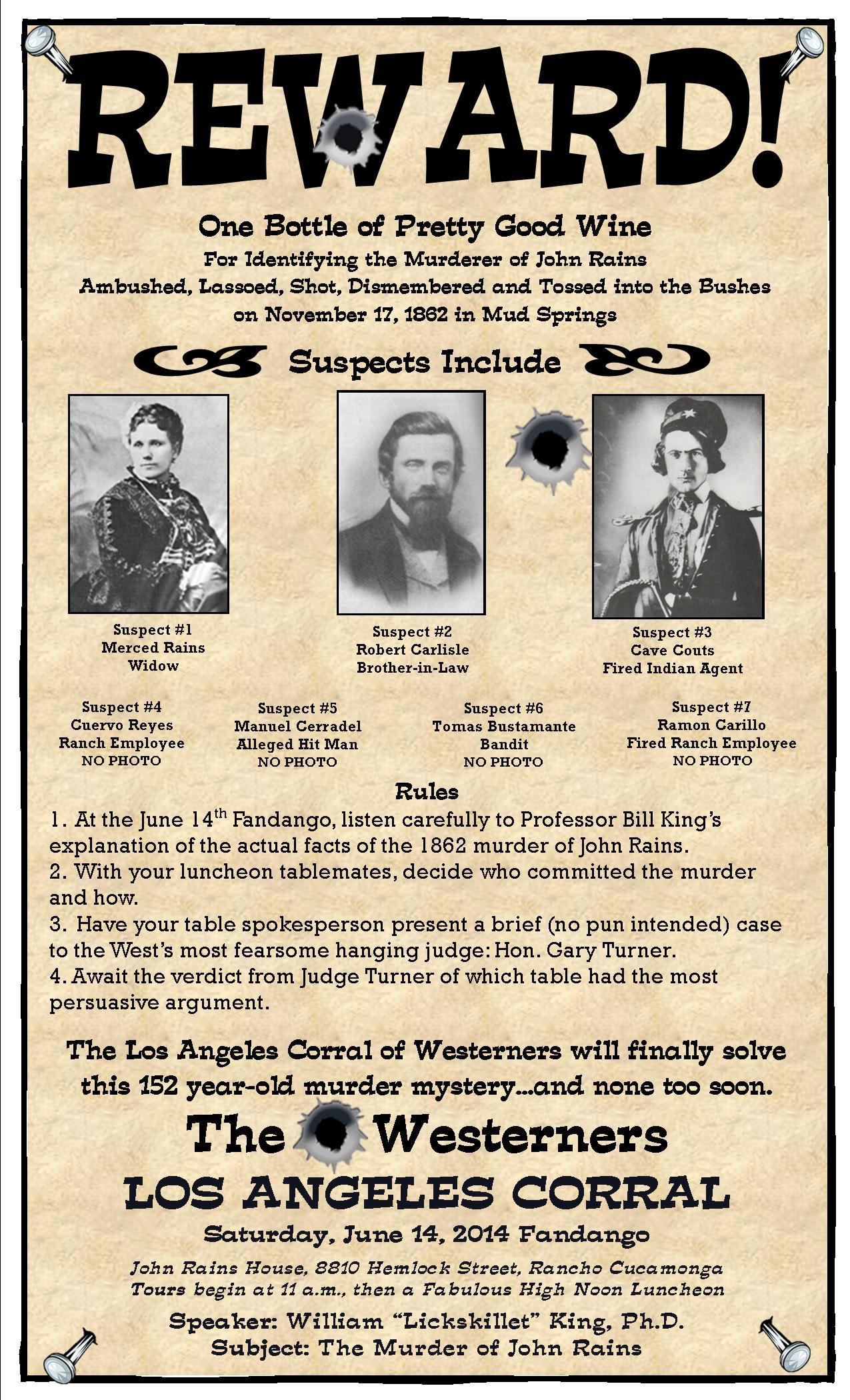
Fandango – Saturday, June 14, 2014
Click here to view photos from the event.
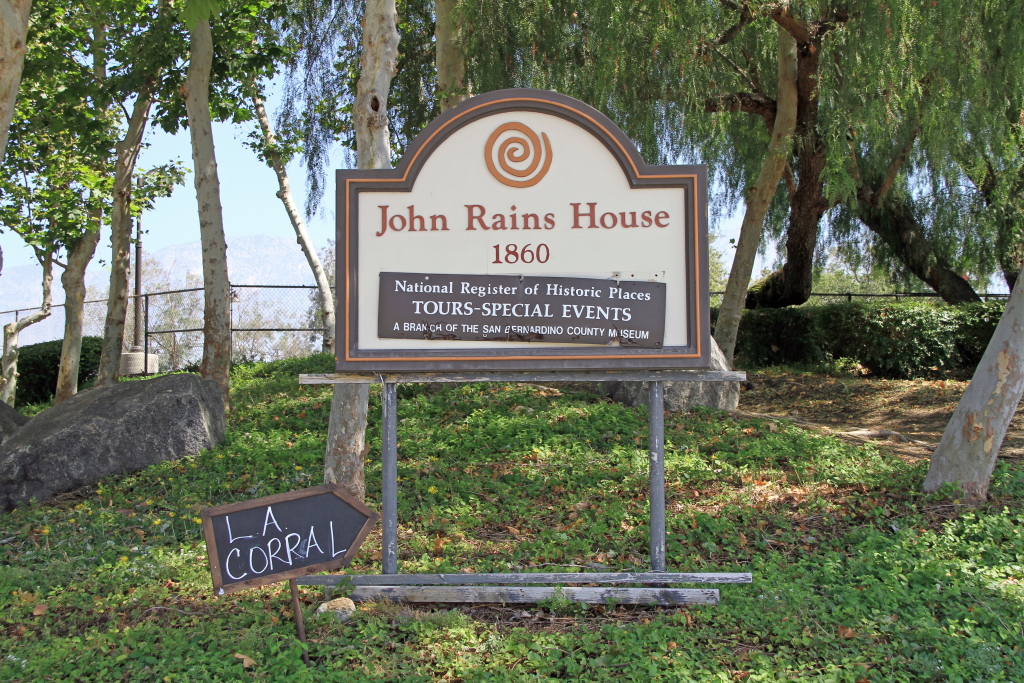
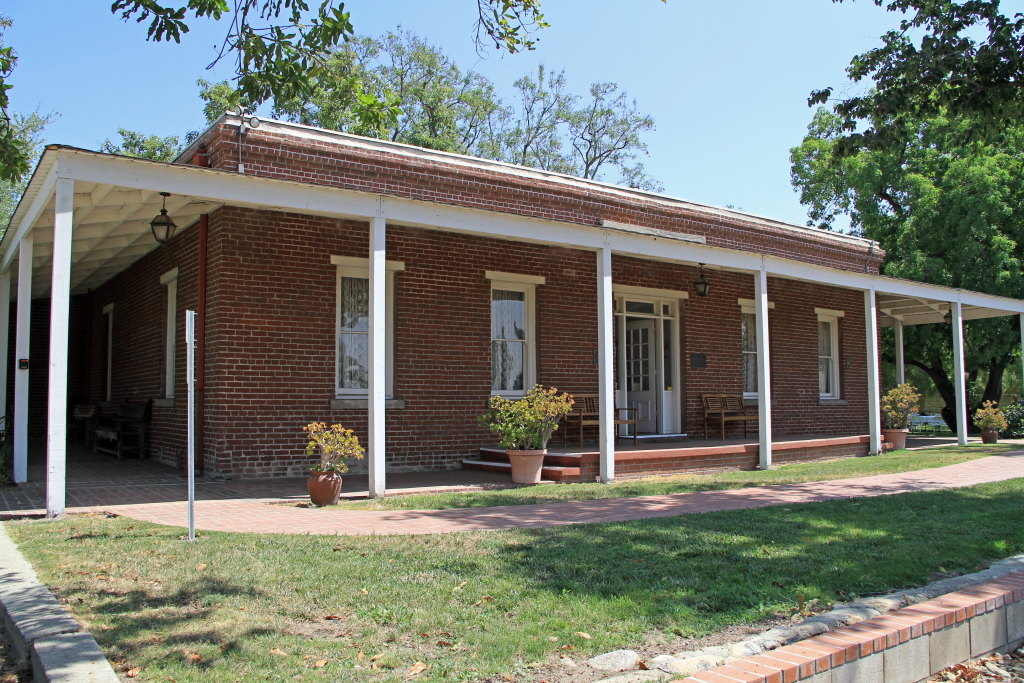
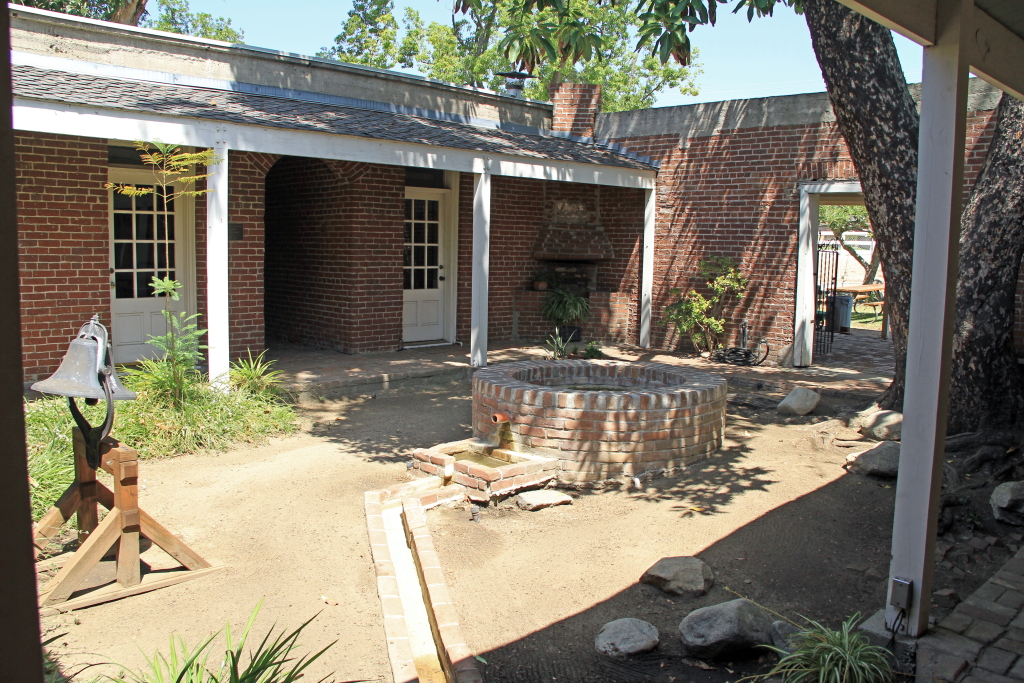
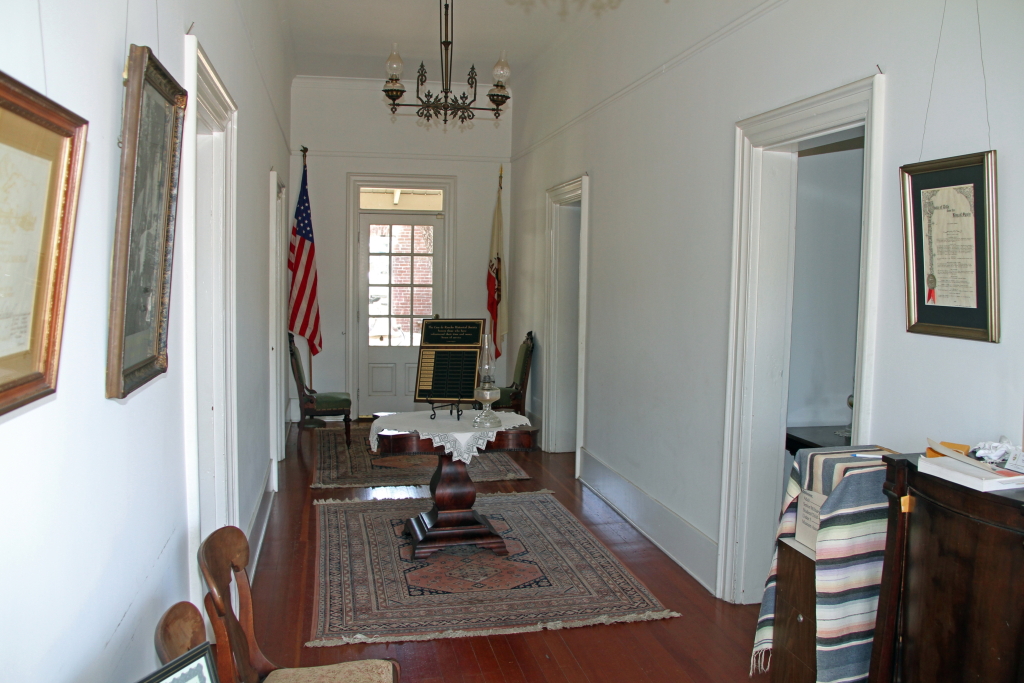
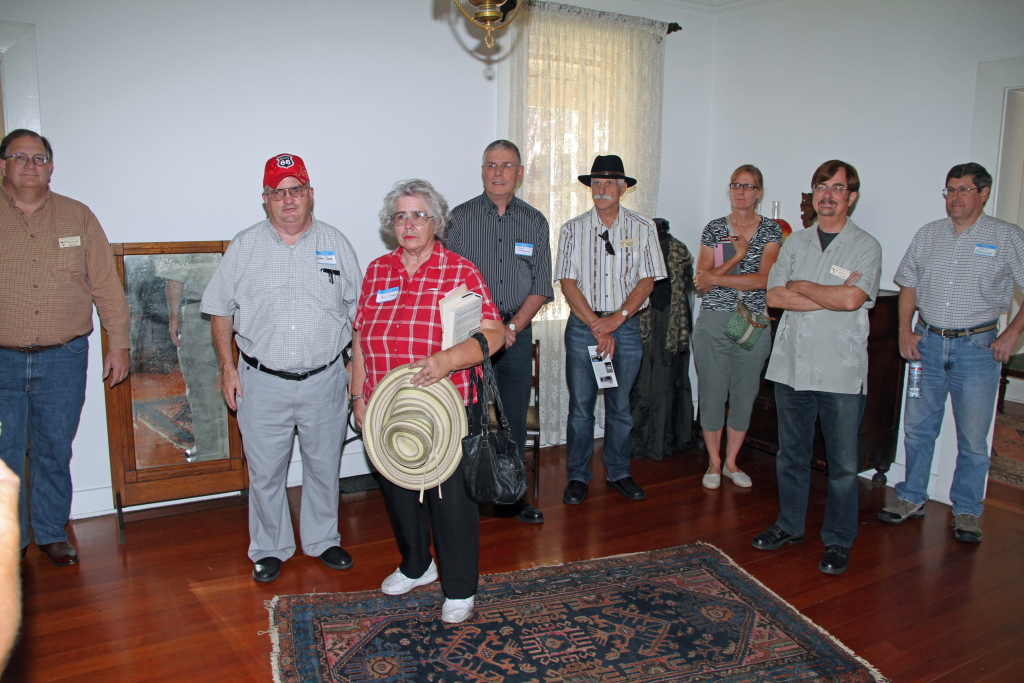
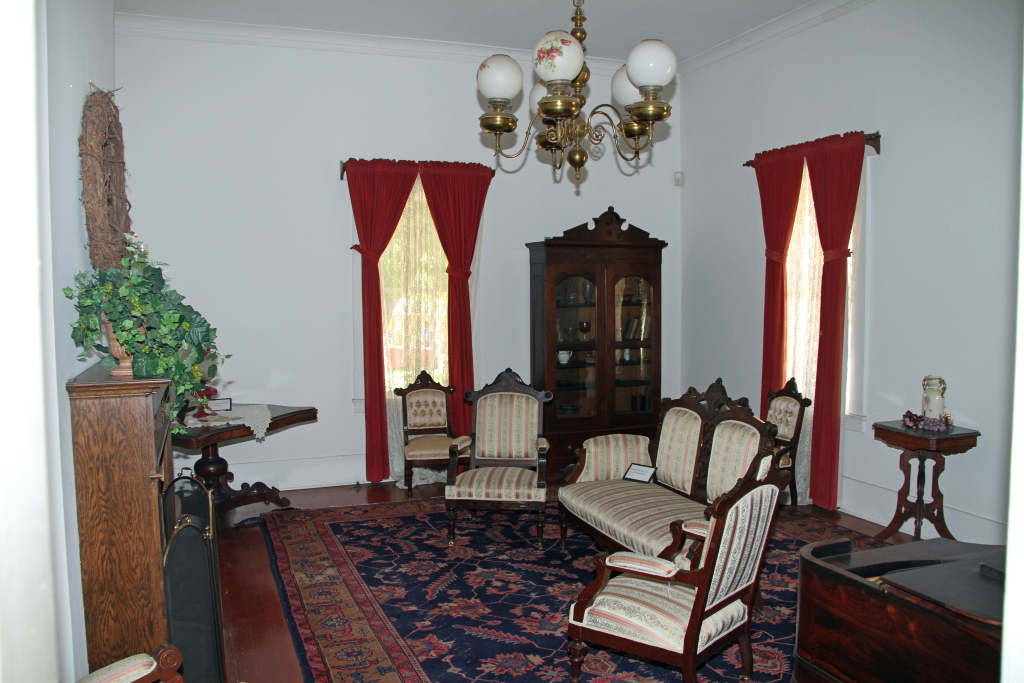
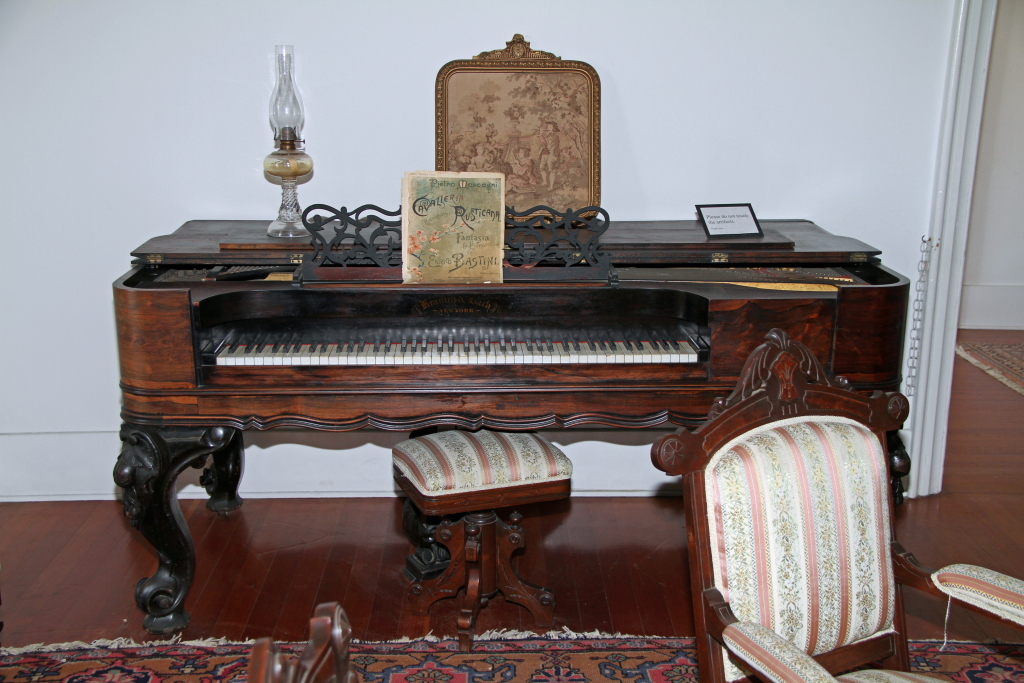
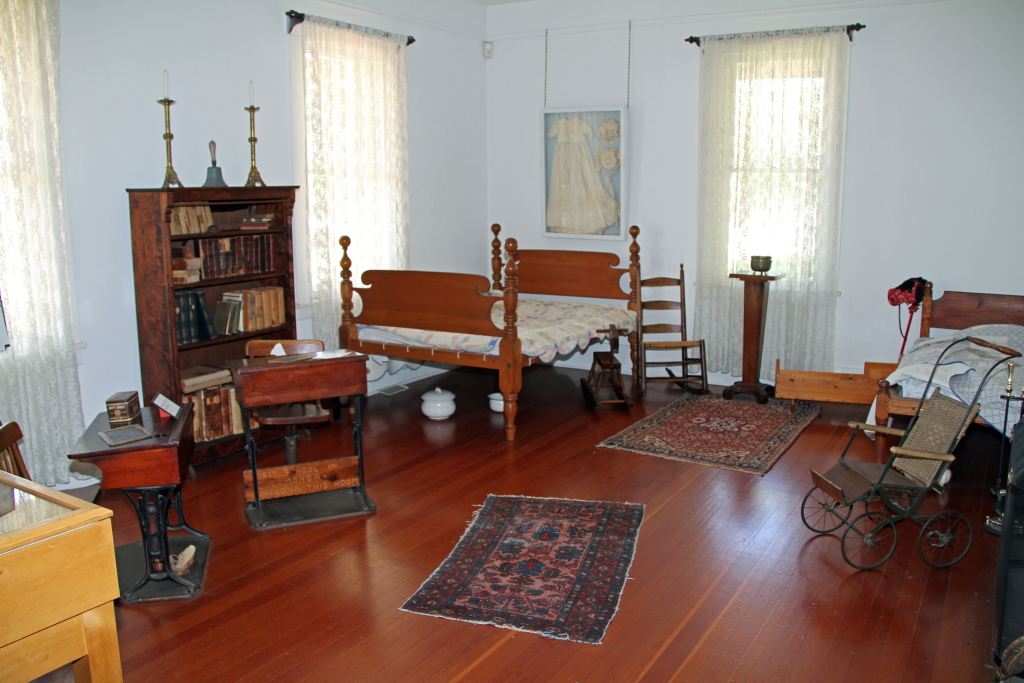
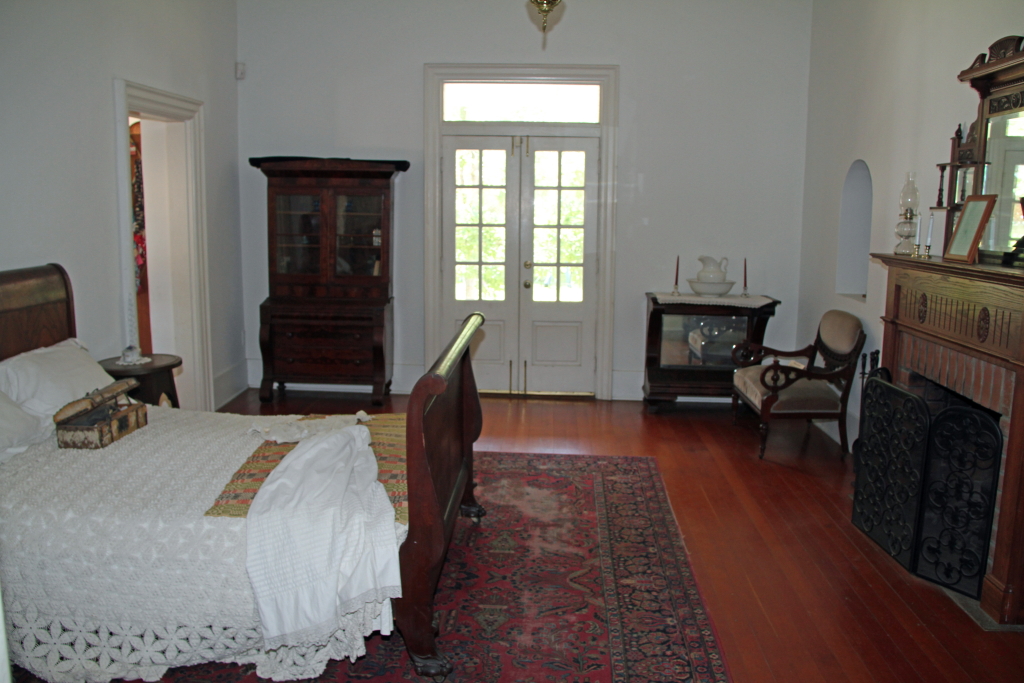
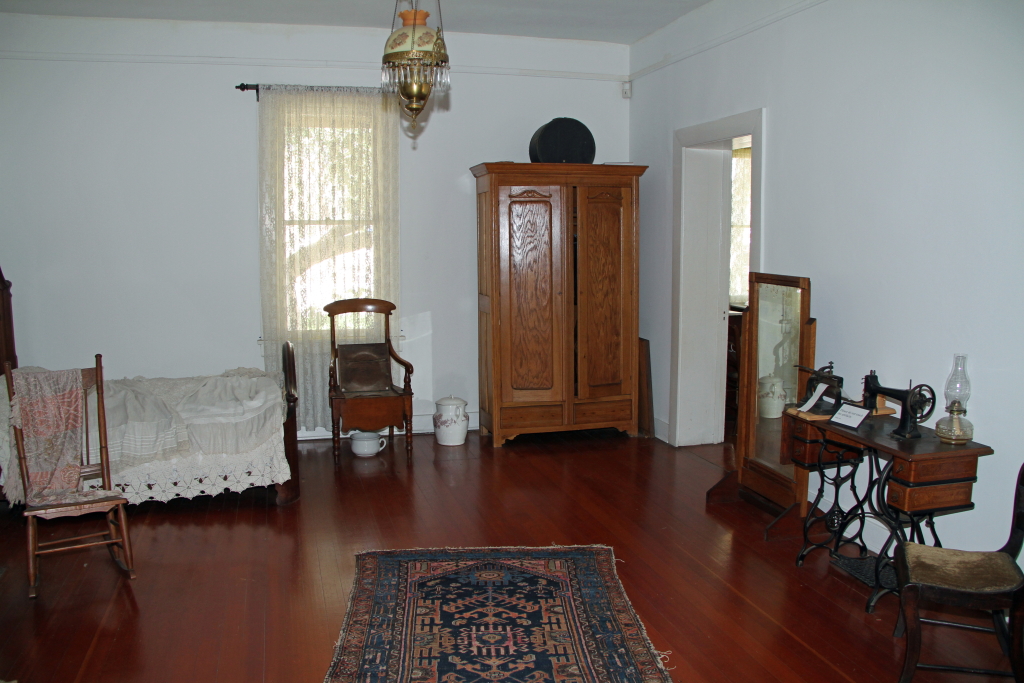
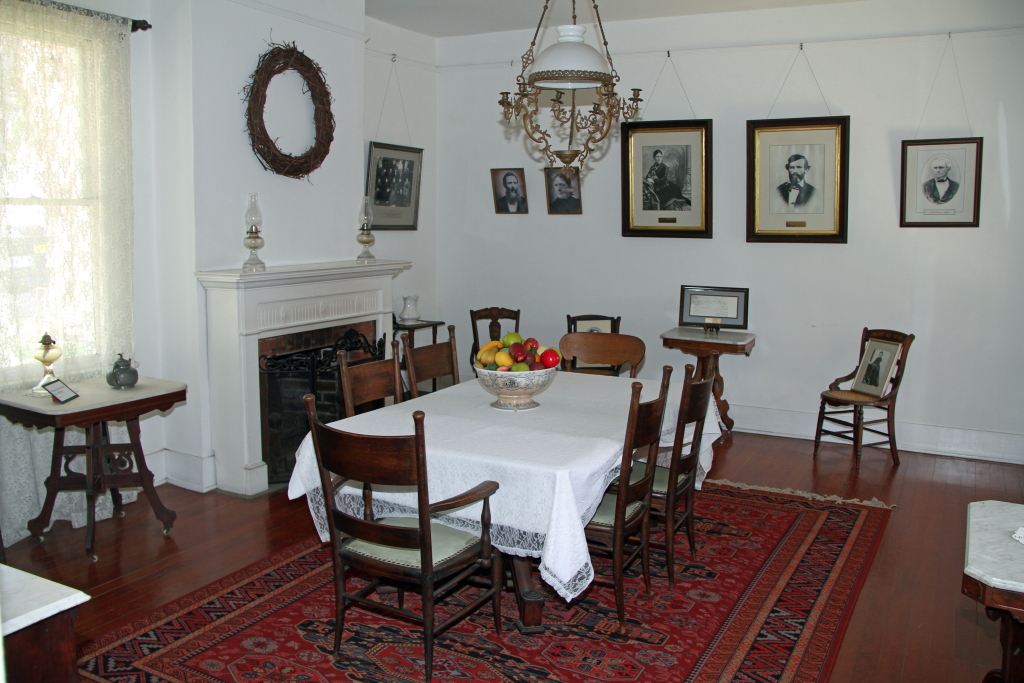
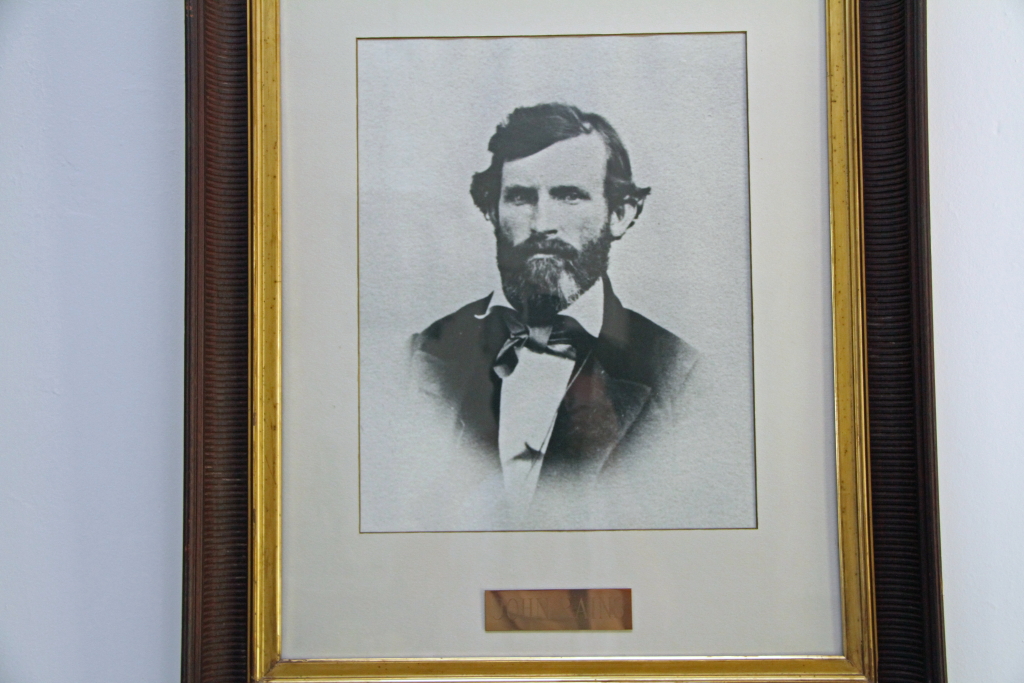
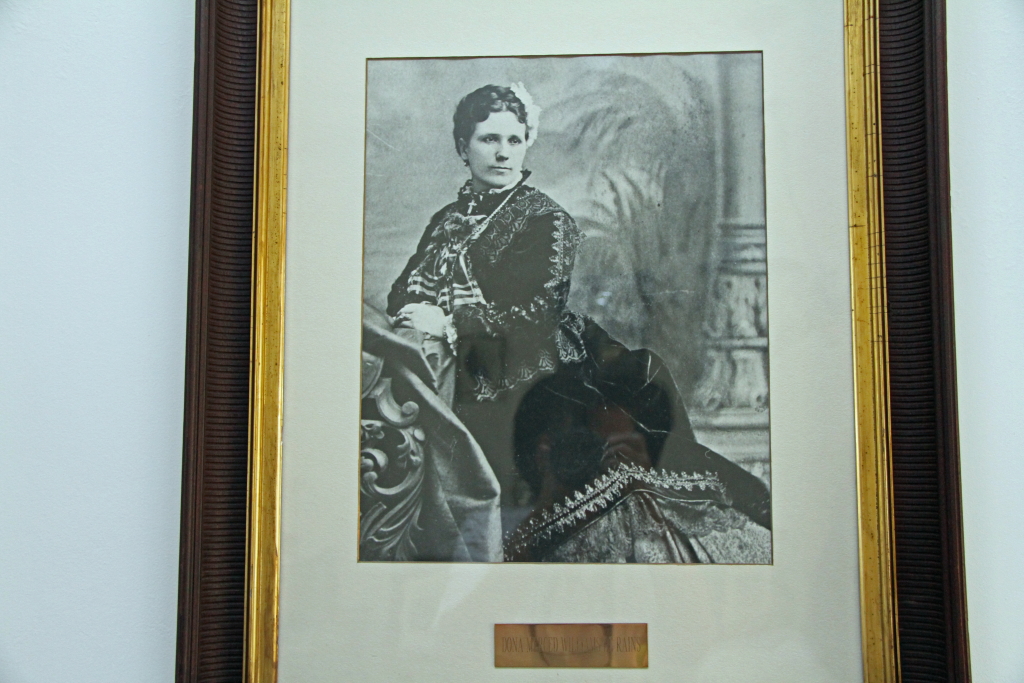
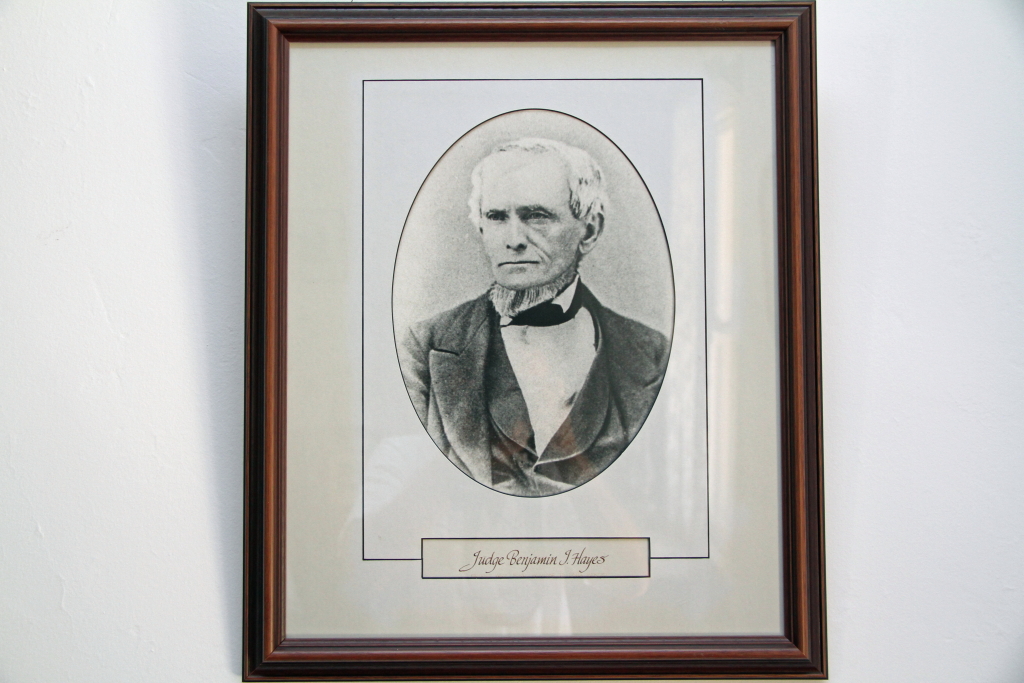
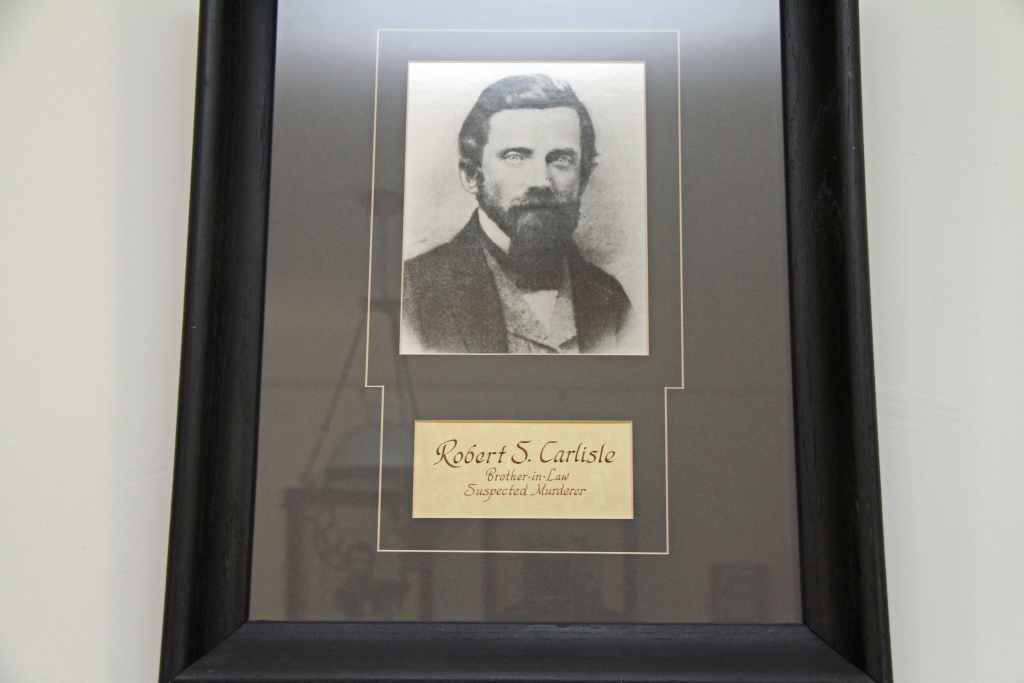
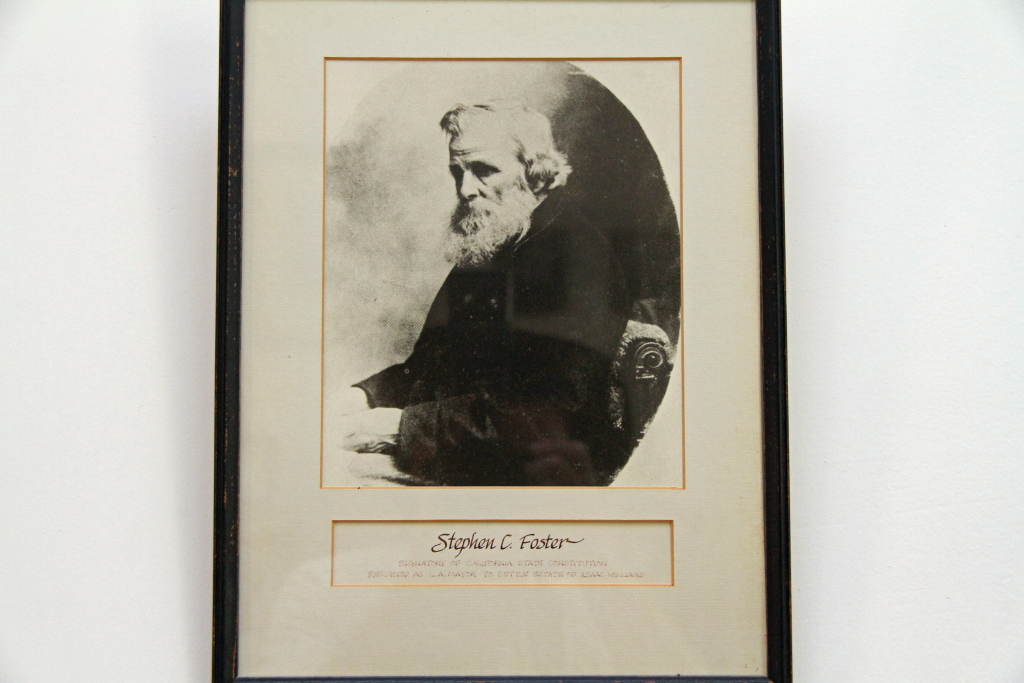
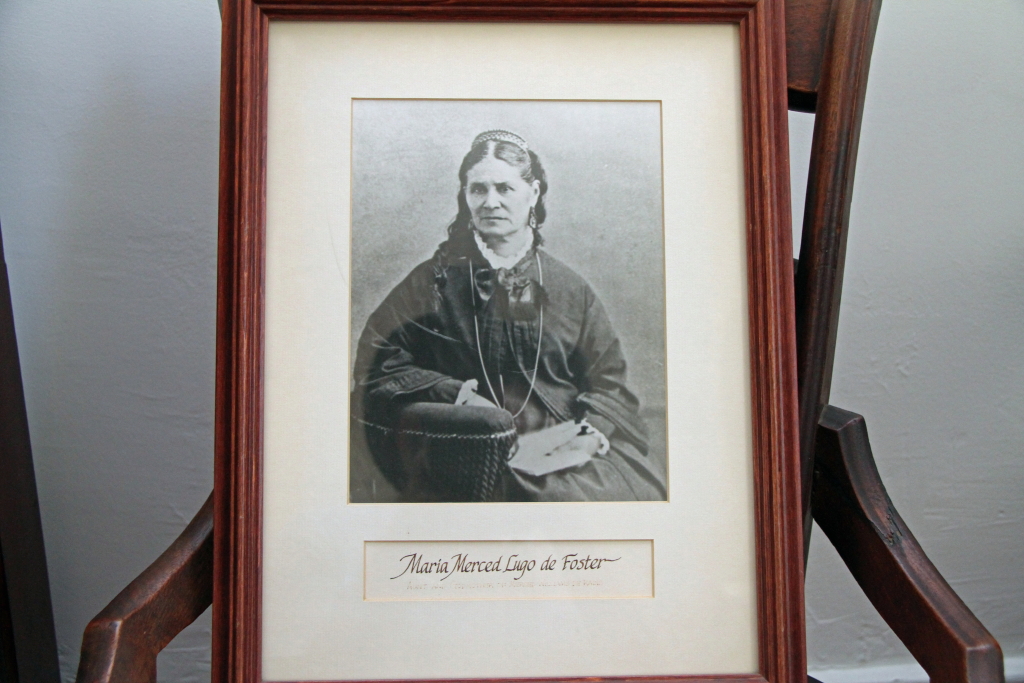
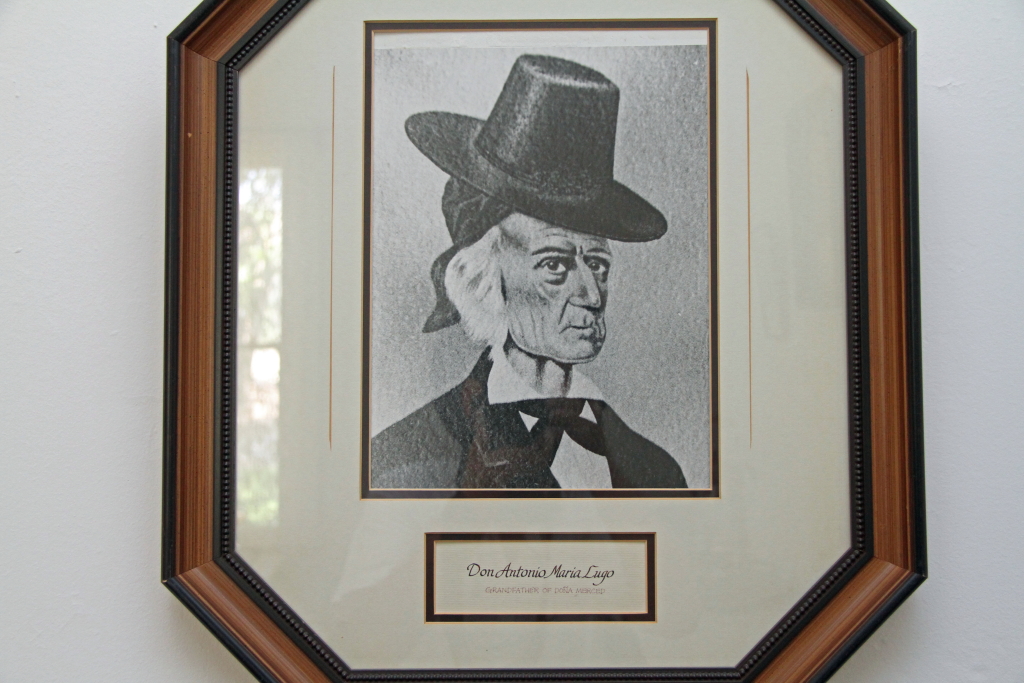
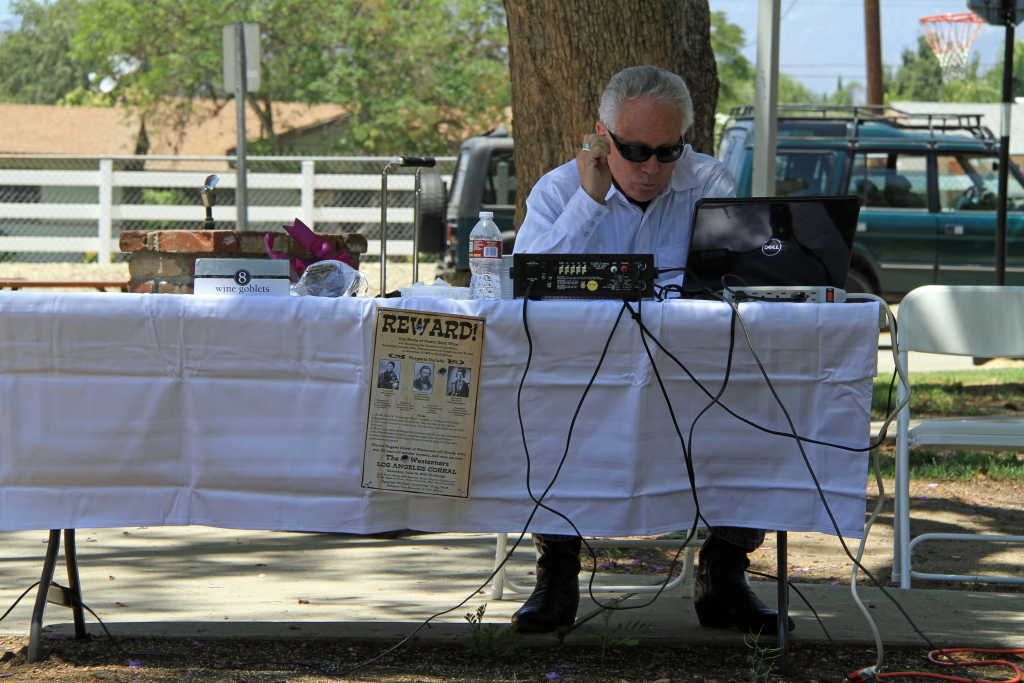
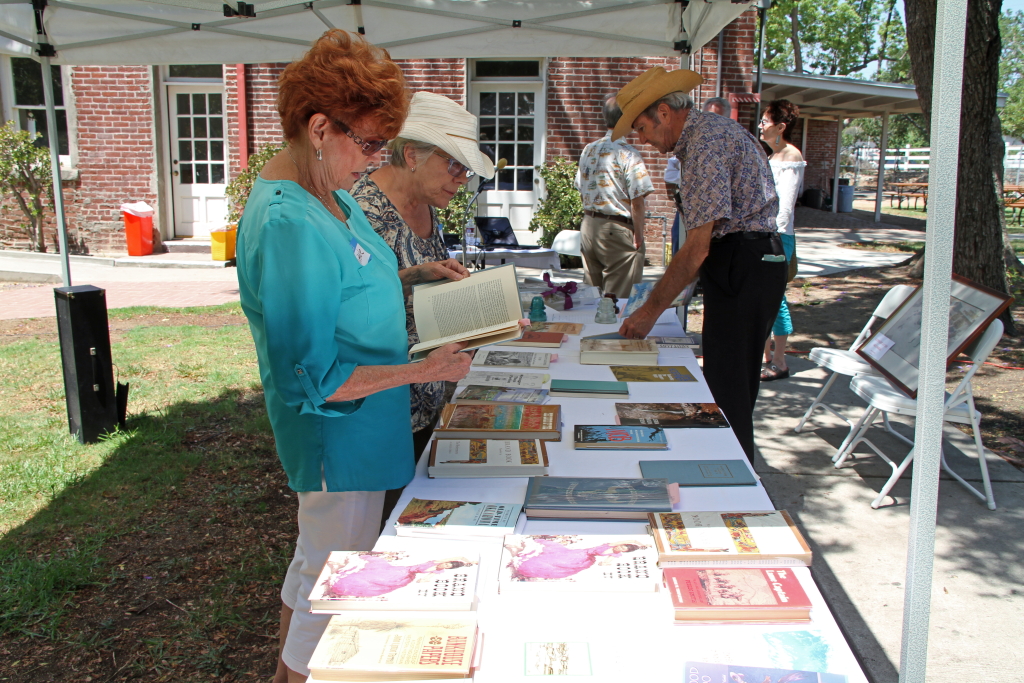
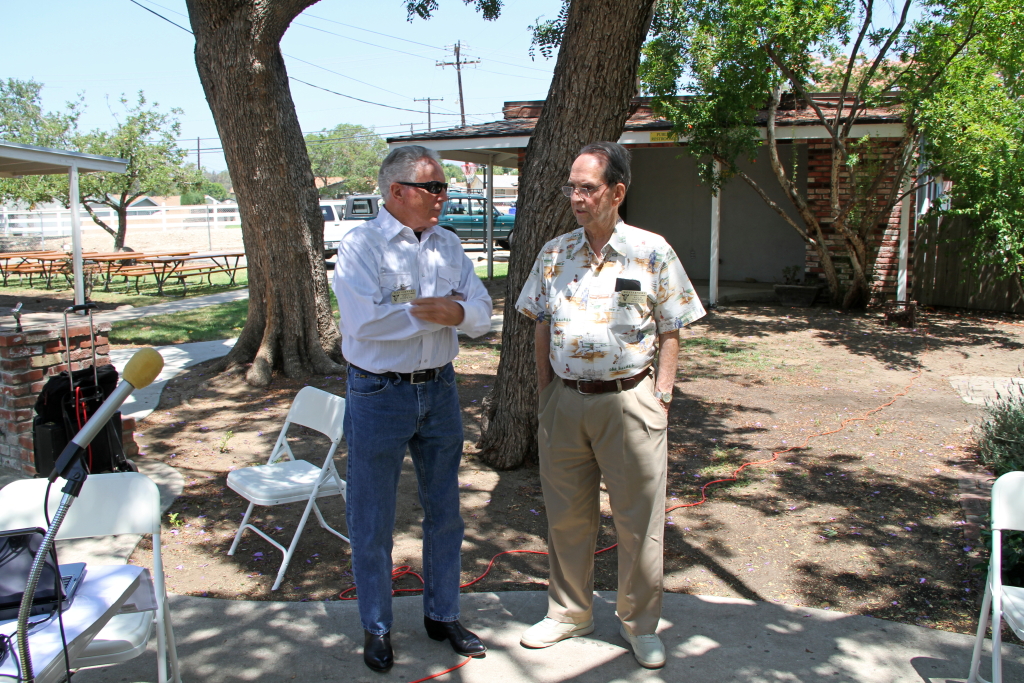
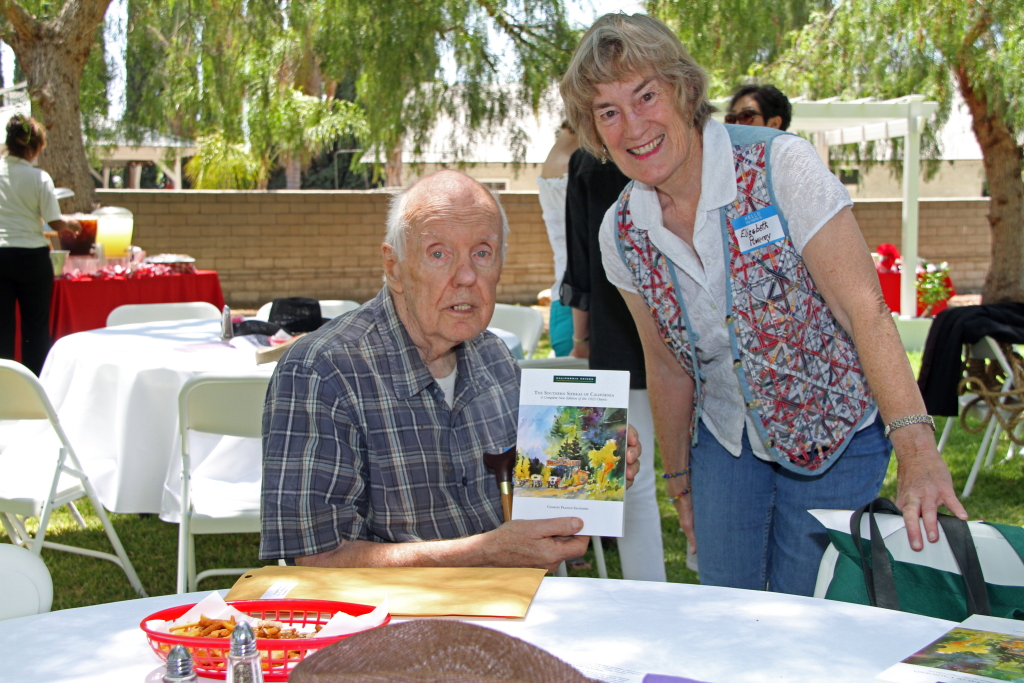
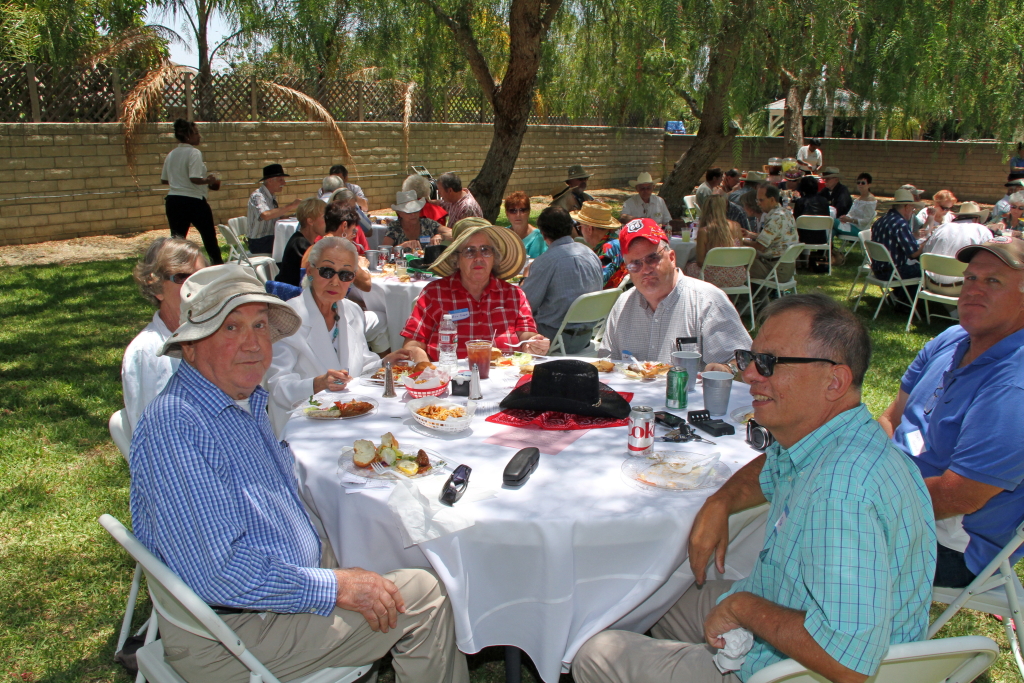
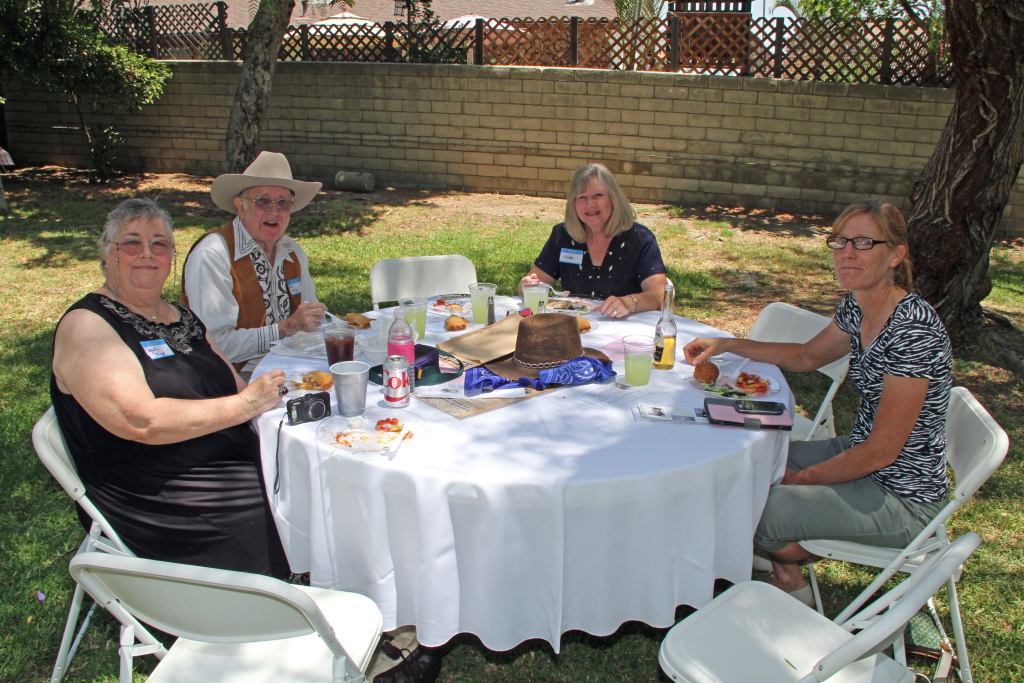
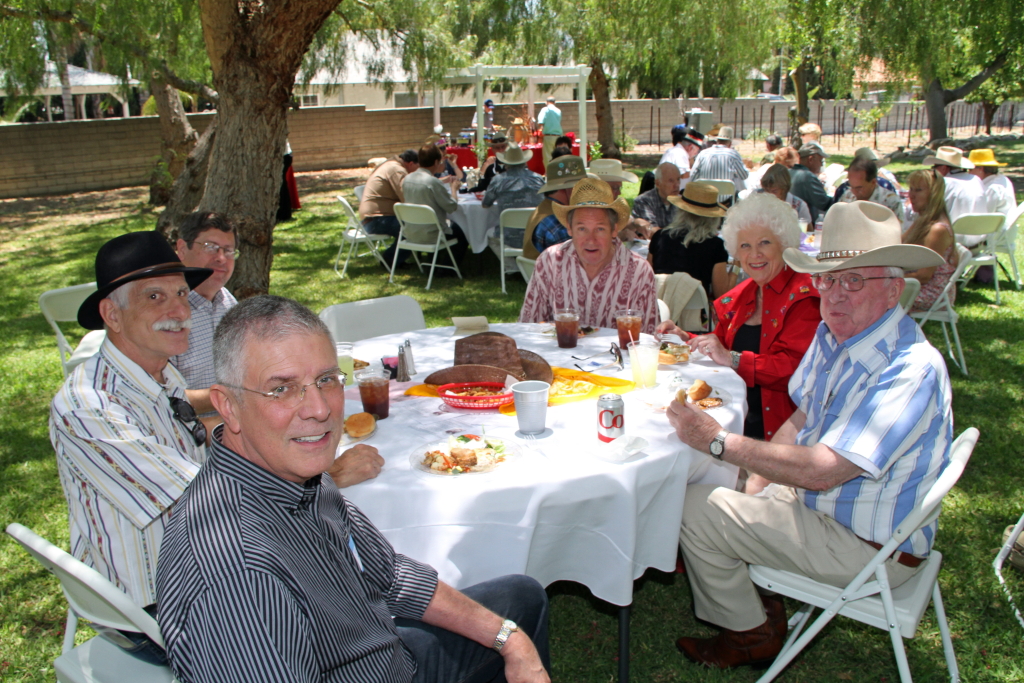
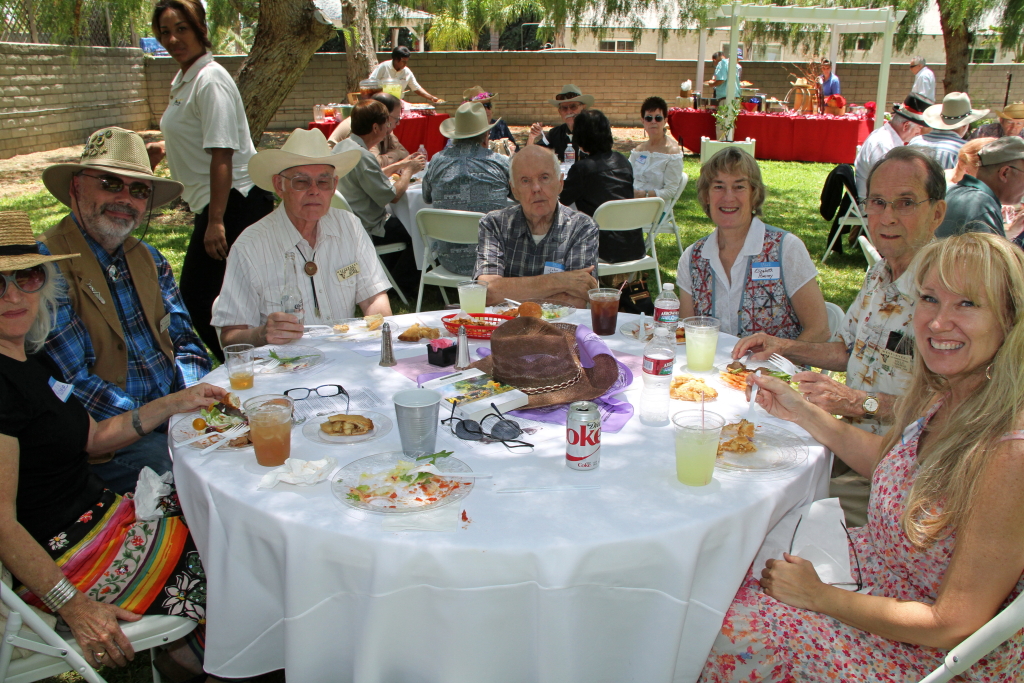
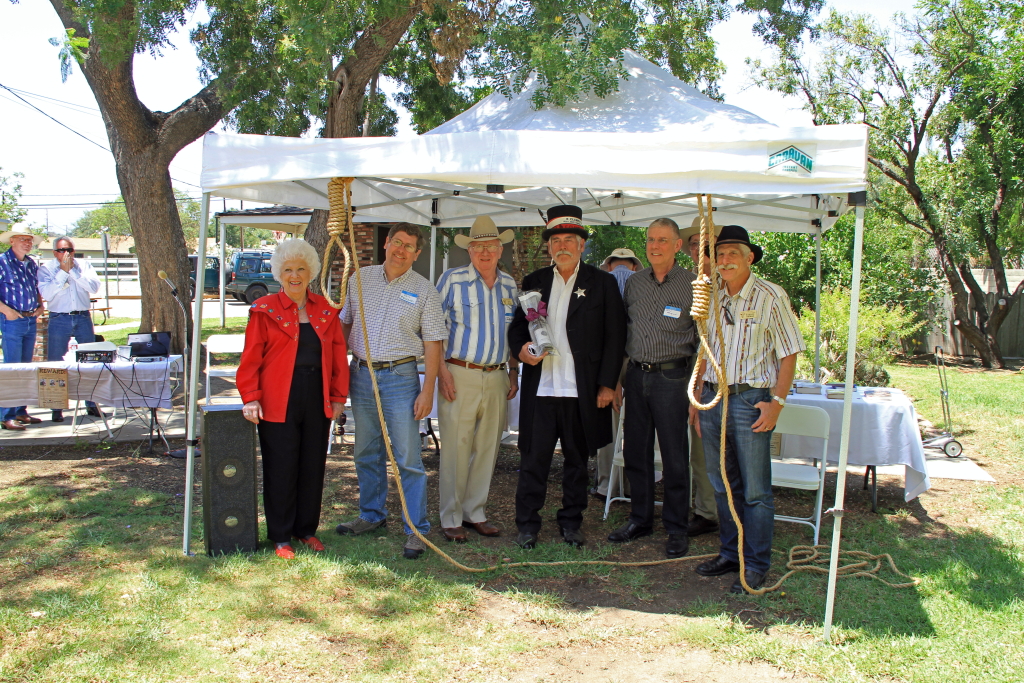
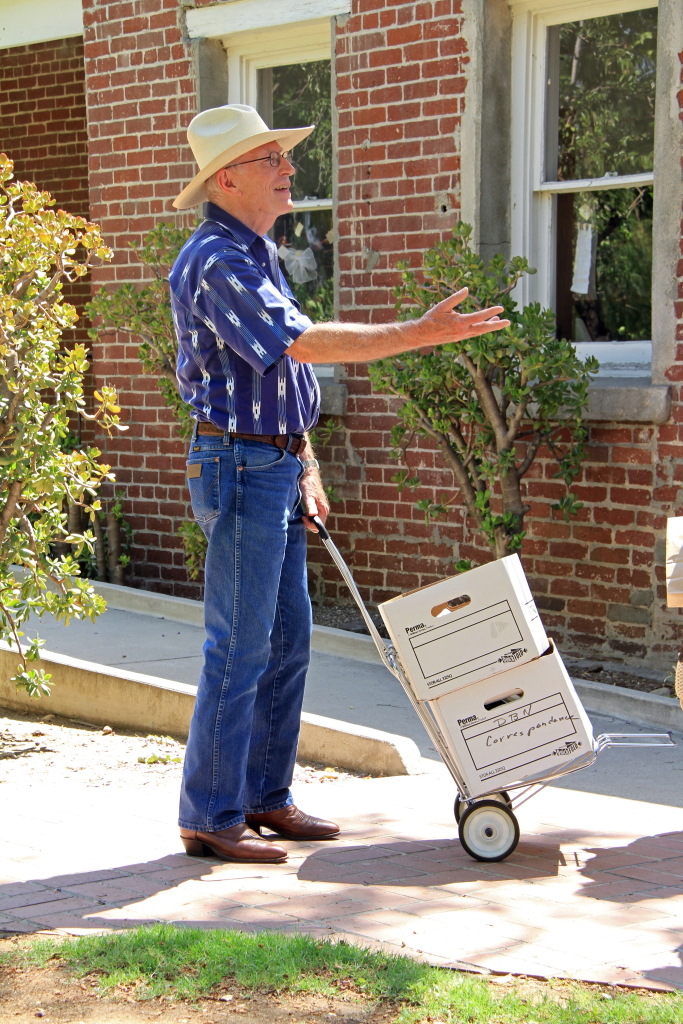
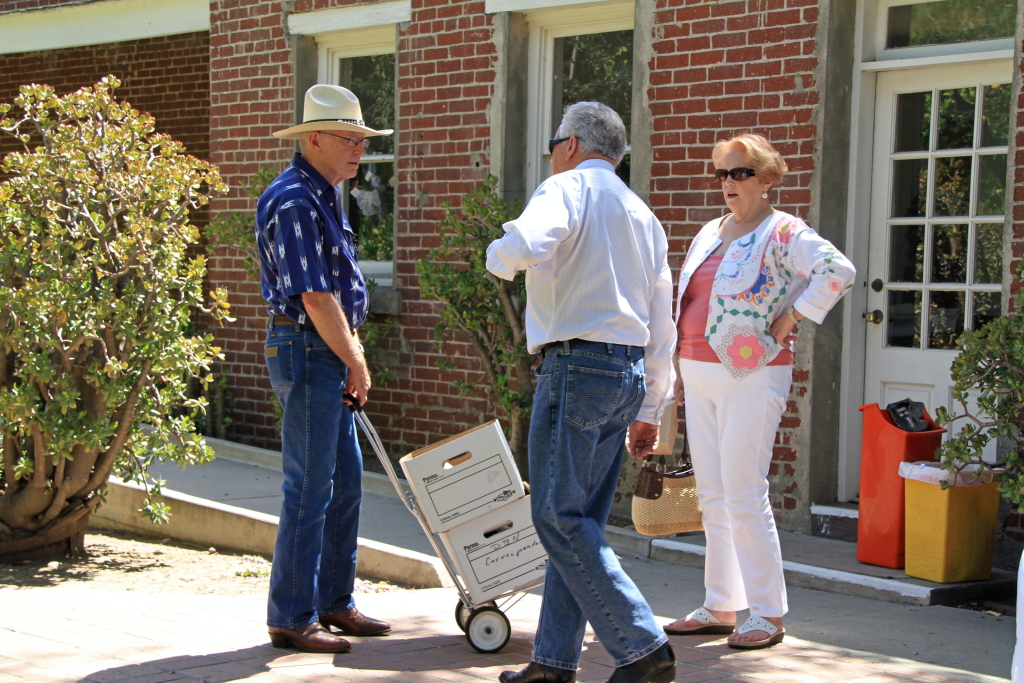
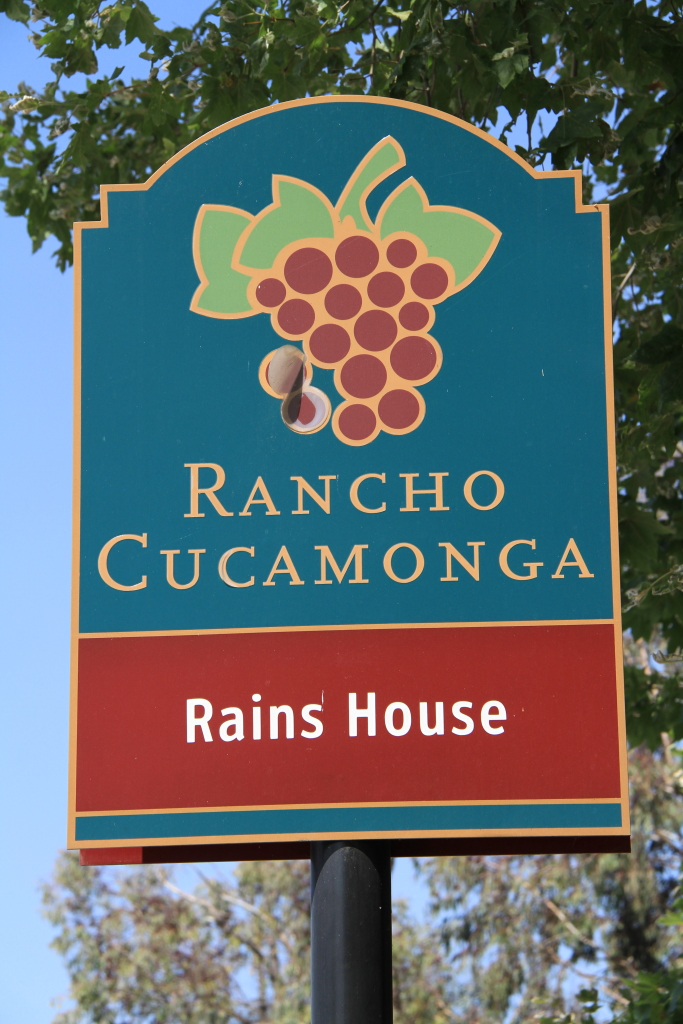
Members of the Los Angeles Corral of Westerners met for the June Fandango at the John Rains House in Rancho Cucamonga. We will see Docents led tours of the home and showed us the bedroom where John Rains awakened to find his guns missing on the morning of that fateful murder.
Rains, owner of the 13,000 acre Rancho Cucamonga, was ambushed, lassoed, shot, stabbed, dismembered and left in the bushes 152 years ago near the present-day intersection of Arrow Highway & South Walnut Avenue in San Dimas.
The Fandango’s goal—solve that crime. (This was undertaken for fun, it may not be historically accurate.)
Behind the Scenes
Contributing to this memorable event were:
Rains House docent Pam Strunk who conducted tours,
Sheriff Larry Boerio who shot photos of the Fandango,
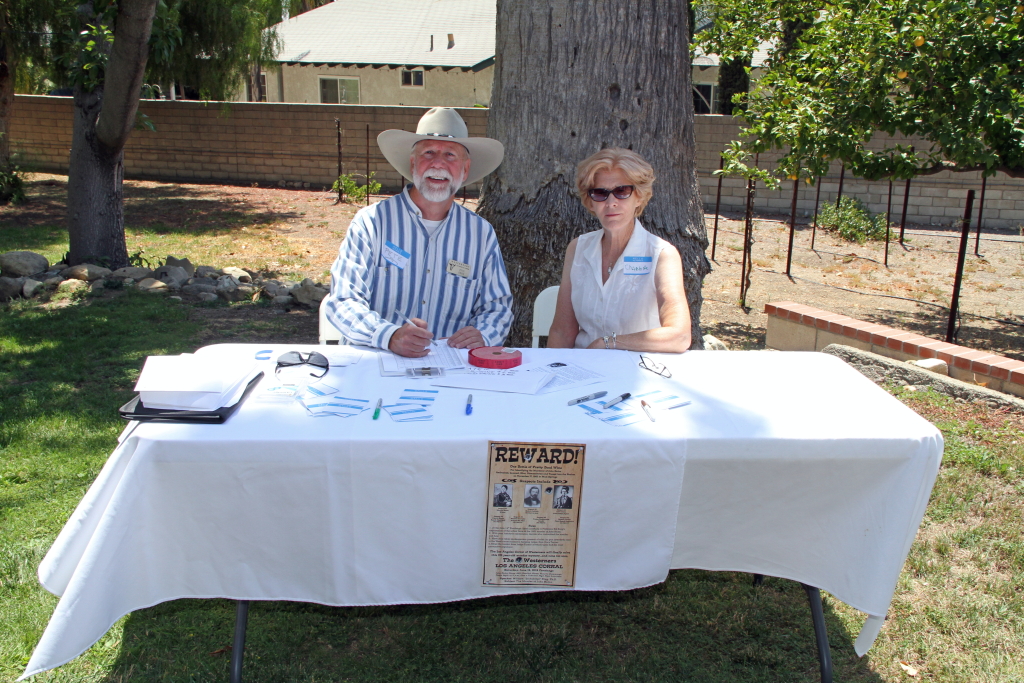
Deputy Sheriff Pete Fries who ran the registration desk, logging in 61 attendees,
Factotum Extraordinaire Paul Rippens who provided cowboy music for the day,
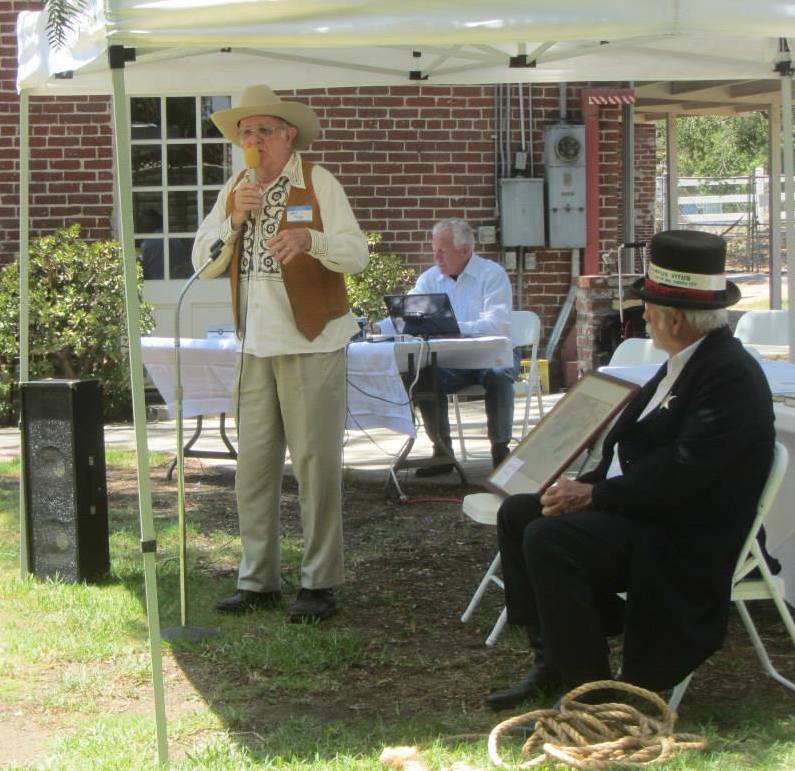
History Professor Bill “Lickskillet” King who summarized the sordid events of the John Rains murder,
Cowboy Tim Heflin who trucked all the way in from Kennedy Meadows to run the bar and regale patrons with friendly conversation,
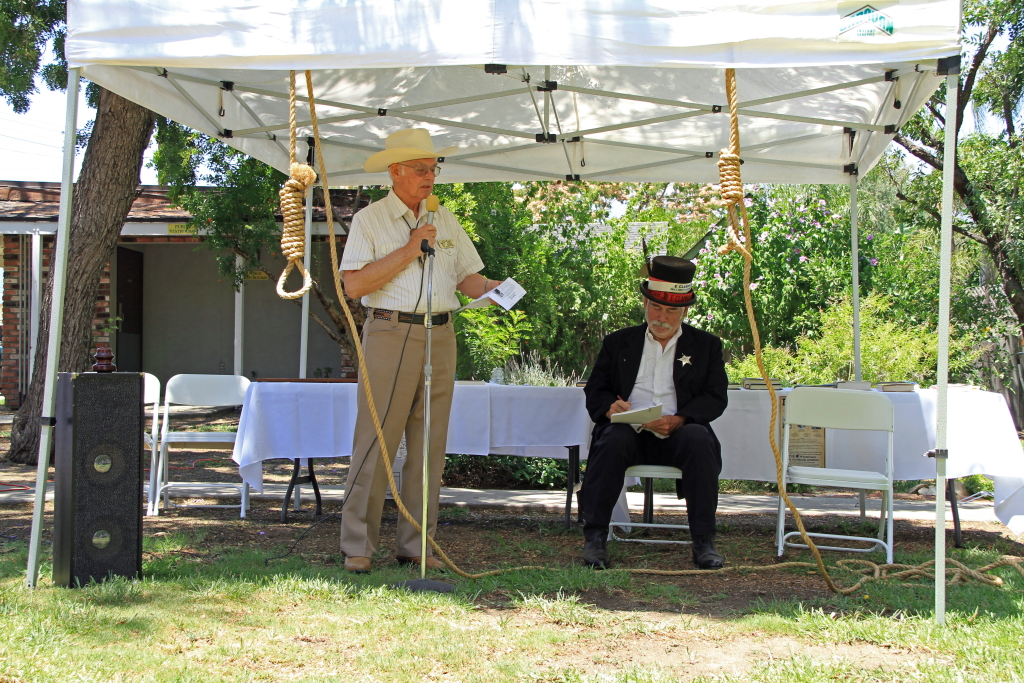
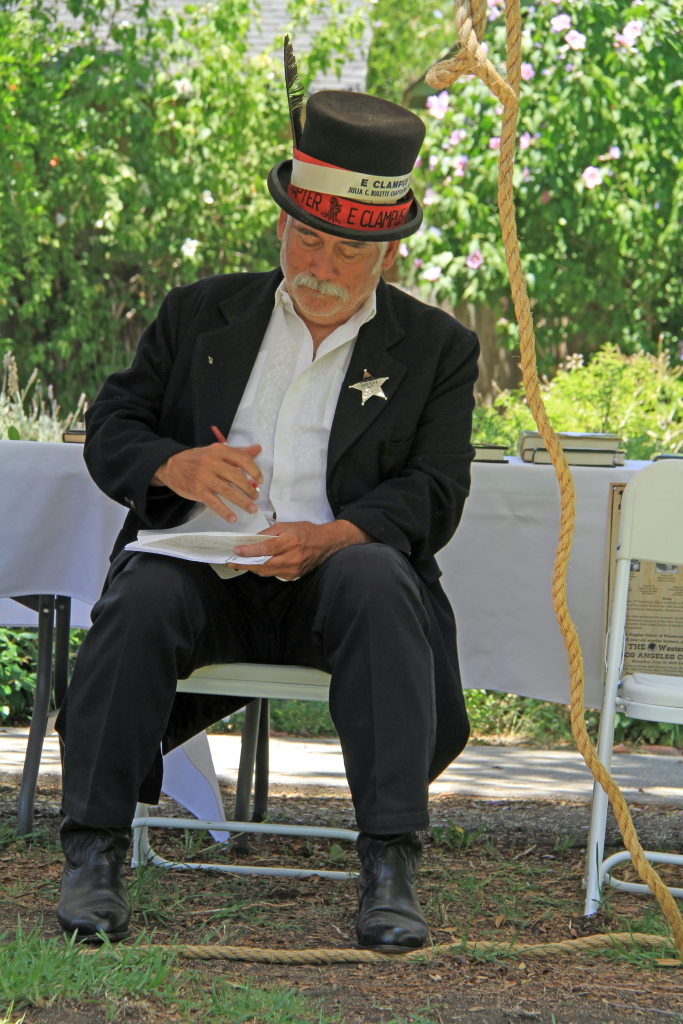
“The Hangin’ Judge” Gary Turner’s whose well-tied nooses contributed to good behavior by attendees and whose ruling resolved the case &
Auctioneer Eric Nelson whose “prix fixe” book sale and art auction raised enough money to keep the event in the black, despite the lower ticket prices.
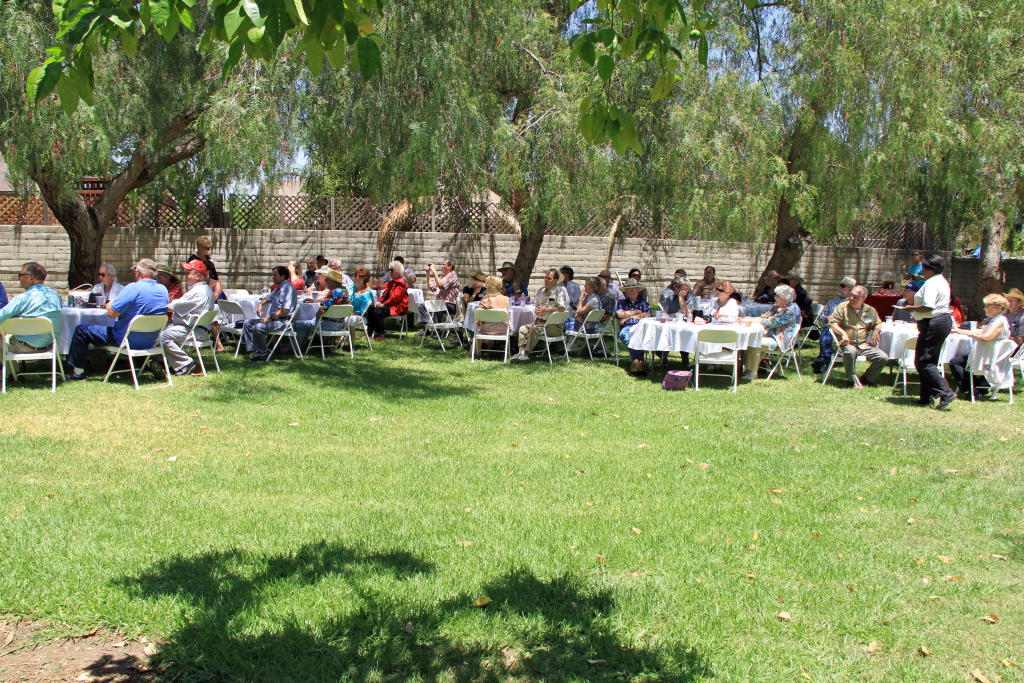
Lunch was served at High Noon. Then each table sent a representative forward to identify who the murderer and present their case to Gary “The Hangin’ Judge” Turner.
Suspects
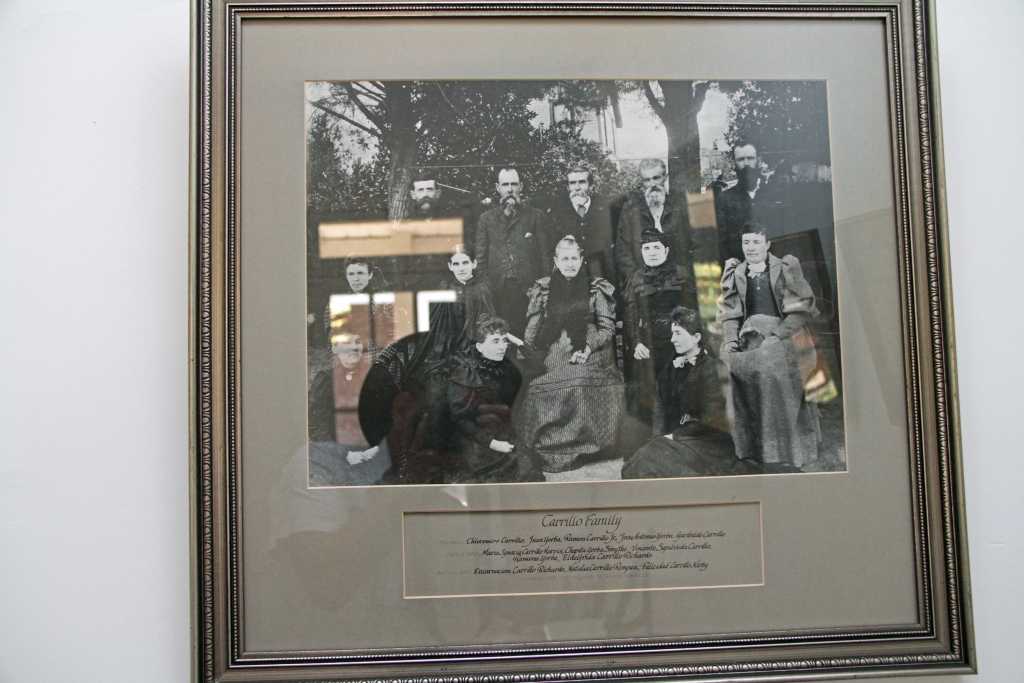
Prime suspects included 1) Merced Rains, widow, 2) Robert Carlisle, brother-in-law, 3) Cave Couts, fired Indian agent, 4) Cuervo Reyes, rancho employee, 5) Manuel Cerradel, alleged hit man, 6) Tomas Bustamante, bandit, and 7) Ramon Carillo, fired ranch employee.
Each of eight tables of picnickers at the Fandango sent a representative to argue their case before Judge Turner and the assembled crowd.
Whodunnit?
After appropriate consideration, Judge Turner ruled that Table 5, represented by Phil Brigandi had the best briefs (a non-sartorial reference). Judge Turner presented this outstanding legal team with a “pretty good bottle of wine” for their achievement. Ramon Carrillo was declared guilty.
Thank you to all the Westerners who participated and enjoyed an afternoon of fun, fellowship, and history…and who helped solve the murder of John Rains. Finally.
Case closed.
Click here to view photos from the event.
Loren Wendt
CURRENTLY WORKING ON: Loren is continuing to write poetry and refining his magic.
NEEDS INFORMATION ON/FOR: Would like to hear from any Westerners who may be interested in his collection of western magazines, including True West, Frontier Times, and others. Some of these date back over 40 years!
RECENT PRESENTATIONS: He has written several articles for the Tombstone Epitaph, the Branding Iron, and others. In addition, many other articles have appeared in The Kansas Cowboy (where Loren is member #1159, known as the “Kansas Kid).
OTHER: Loren was born in Woodbine, KS and moved to Ontario, CA in 1941. He and his wife Betty were married in 1947 and they have 2 sons, 5 grandchildren, and 2 great-granddaughters. Loren worked for the Southern California Gas Company from 1947 to 1984 when he retired as District Manager for the Covina area. Since that time, he has held many other positions, some paid, some volunteer. He has also been named the “Honorary Mayor of Wrightwood!”
Los Angeles Corral of Westerners
Welcome to the online home of the Los Angeles Corral of Westerners. We invite you to browse our site, learn more about our organization, and even consider joining us.