Roundup: May 11, 2016
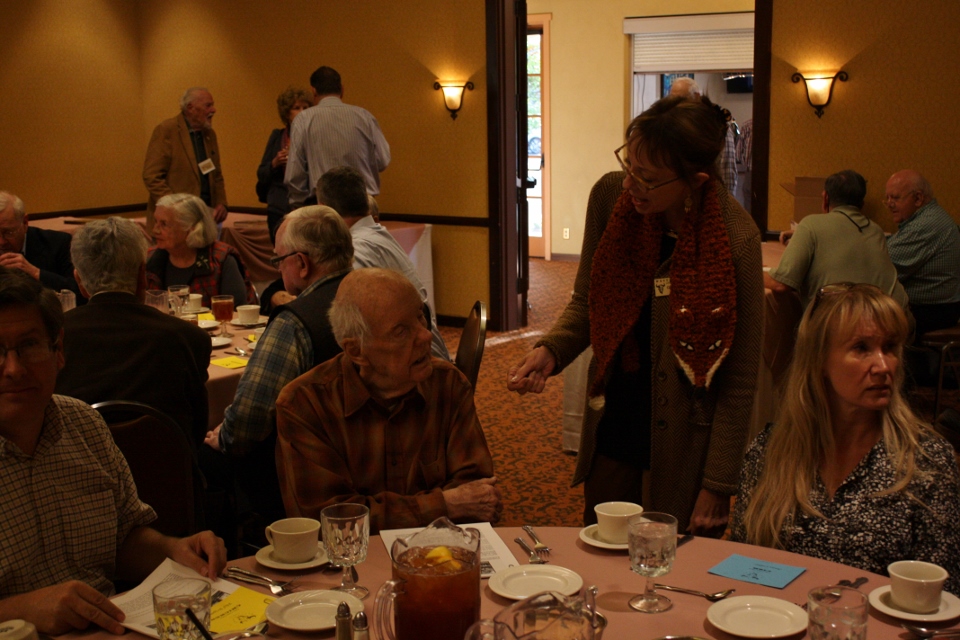
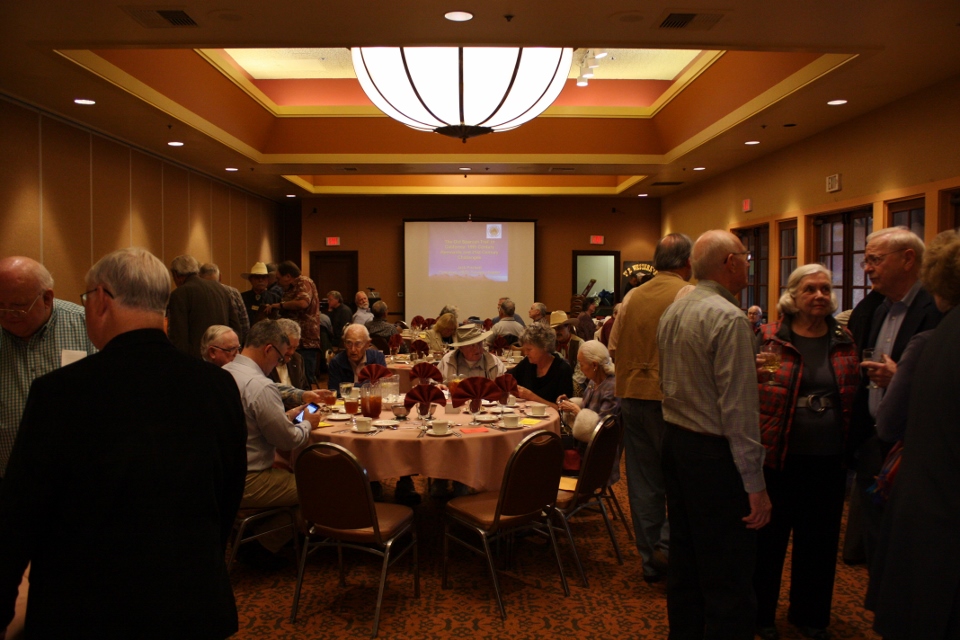
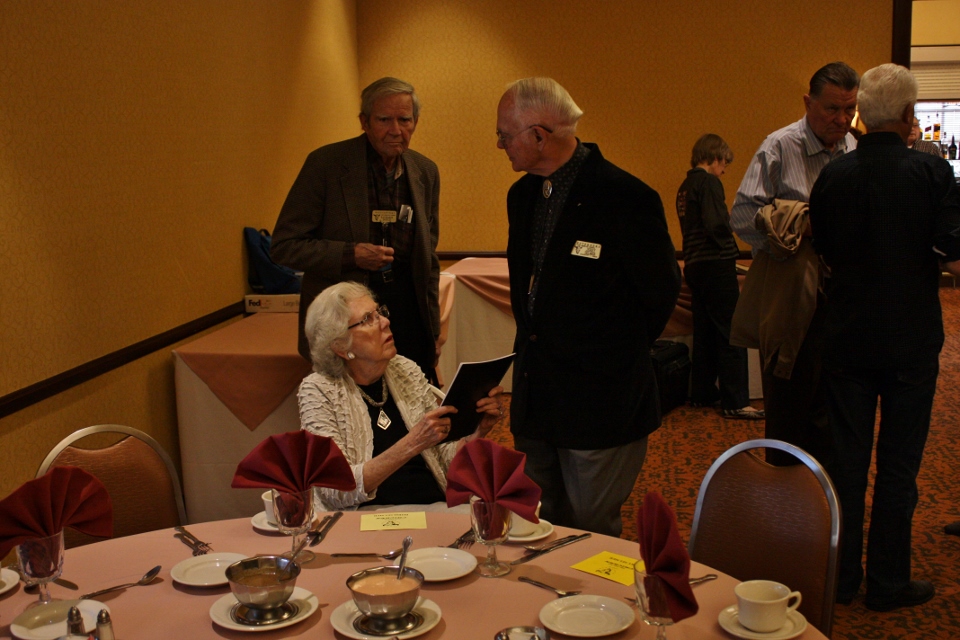
Almansor Court – 700 S. Almansor, Alhambra, CA
Social Hour: 5:00 PM
Dinner: 6:00 PM
Our Speaker: Msgr. Francis J. Weber
His Subject: “Junipero Serra Appears on a U.S. Postage Stamp: How it Happened”
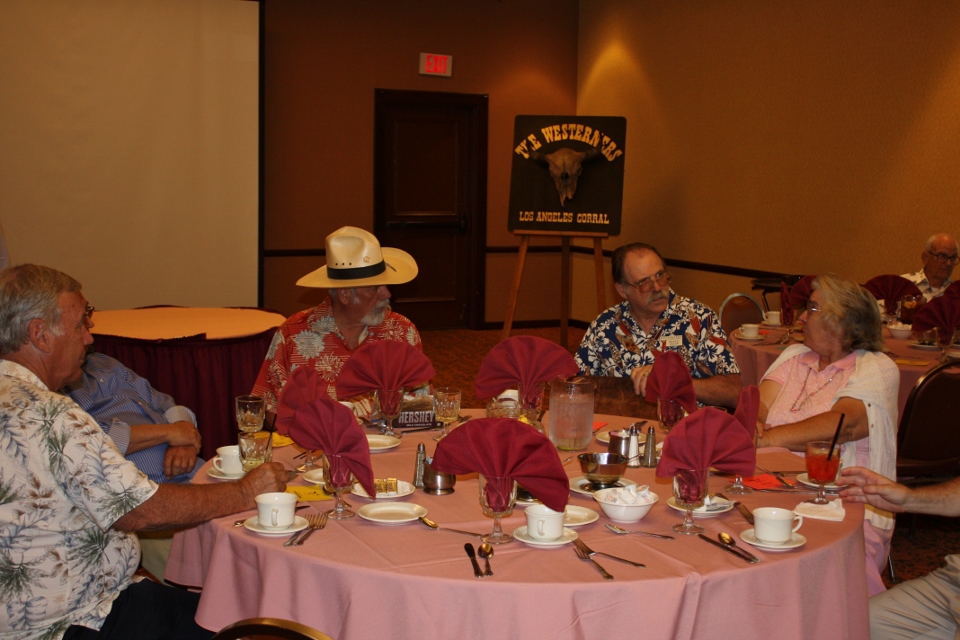
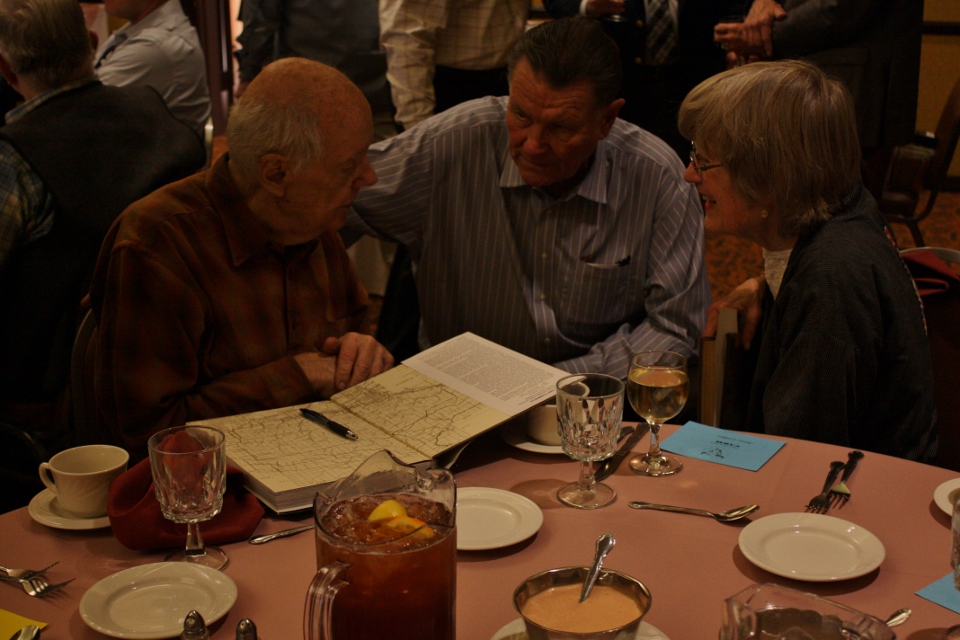
Junipero Serra (1713-1784) was among the most prominent of the Friars who established the California Missions. Equally famous as a “founding father” of Spanish California, his name is synonymous with dedication and self-sacrifice. The movement to make him a Saint began more than hundred years ago. Foremost amongst supporters for Father Serra’s canonization has been Monsignor Francis J. Weber. Many times it seemed that Serra would never receive this honor, nor be nationally recognized for his contributions to California. Yet Fray Junipero Serra was made a Saint in 2015 by Pope Francis, in Washington, D.C. Absolutely unique, Serra is the first to be canonized in the New World itself. Father Serra also stands in the Statuary Hall of the U.S. Capitol, representing the State of California along with Ronald Reagan. Our newest Saint is in good company, alongside Fray Eusebio Kino (for Arizona), Father Marquette (for Wisconsin) and Father Damien (for Hawaii). And, after earlier appearances on Spanish and Mexican stamps, Serra’s face now graces a United States postage stamp. At our May, 2016, Los Angeles Corral Roundup, Monsignor Francis J. Weber will tell us how this remarkable event came to be.
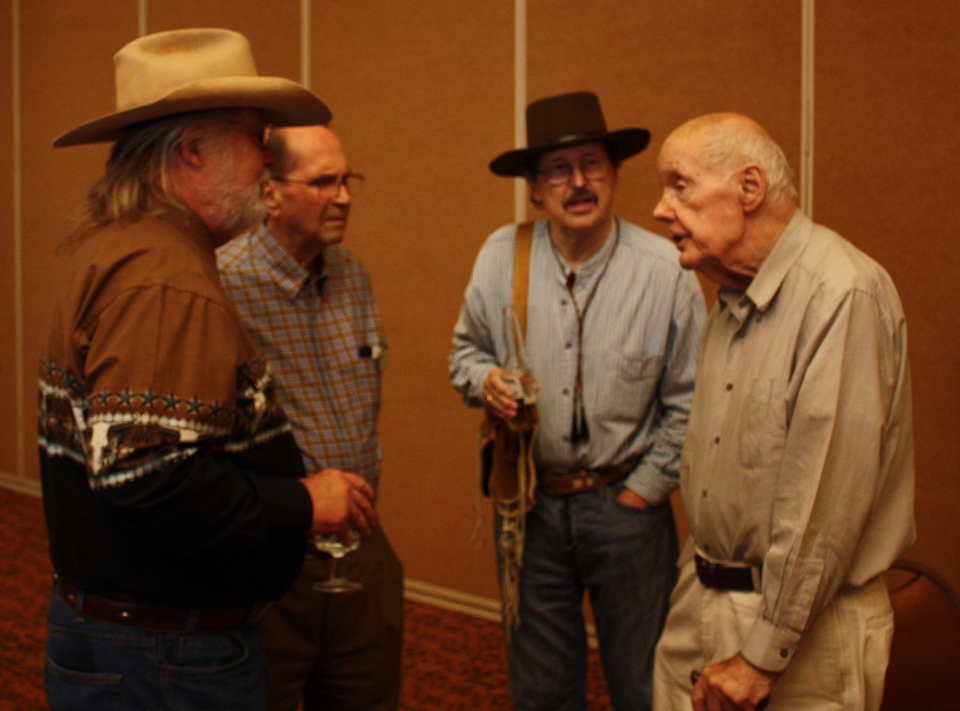
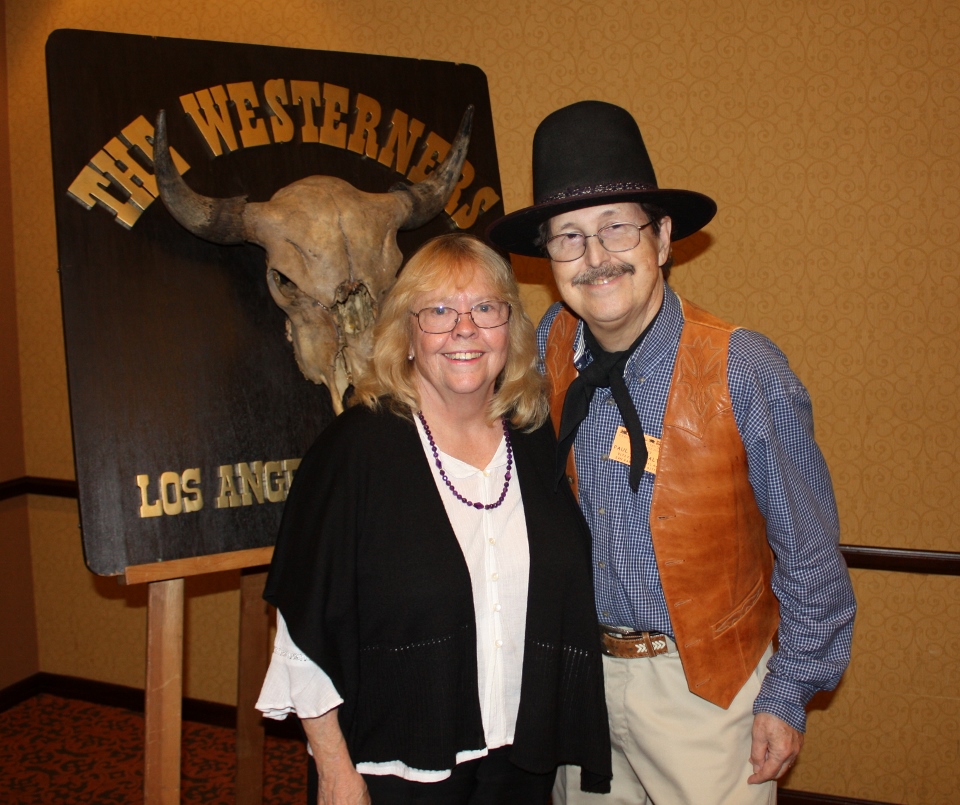
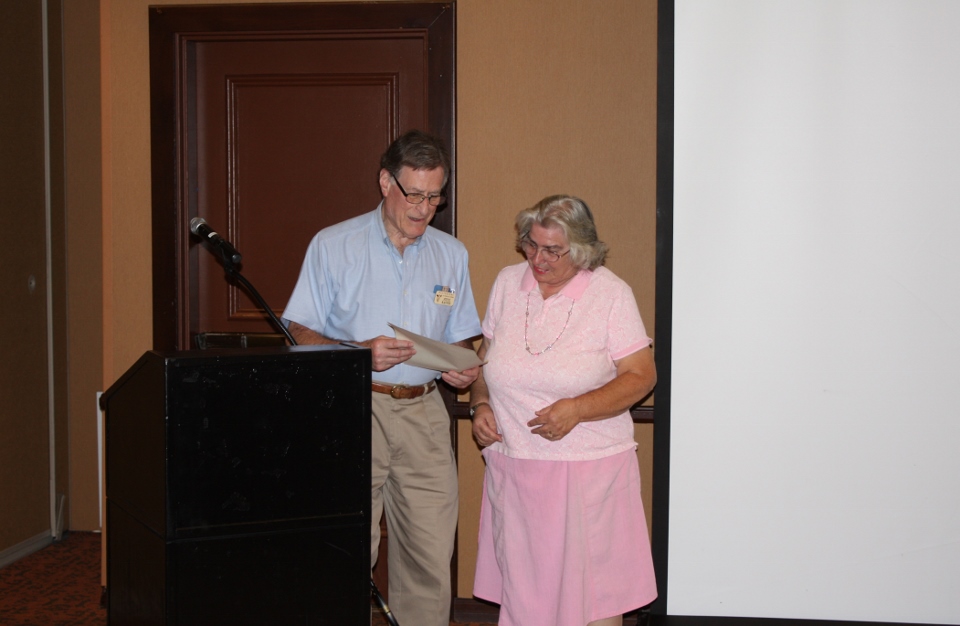
Monsignor Francis J. Weber, known to his many friends and admirers as “the Old Country Priest” is Archivist Emeritus of the Catholic Archdiocese of Los Angeles. Ordained in 1959, since then he has celebrated mass at a great many California locations, including Santa Cruz Island, and been a tireless and effective spiritual and intellectual leader at San Fernando Mission. Here, in 1980, his dream of building an archival center came true. Msgr. Weber, in addition to his many local duties, serves as an Honorary Chaplain to His Holiness Pope Francis. One of the most active of all members of the Los Angeles Corral of Westerners, Weber served as Sheriff in 1995. A frequent contributor to our corral publications, he has also published on Spanish Colonial history, ecclesiastical history, and the history of California and the West, including: The California Missions as Others Saw Them, 1786-1842 (1972), A Select Bibliography of California Catholic Literature, 1856-1974 (1974), The Life and Times of Fray Junipero Serra (1987), The Mission in the Valley: A Documentary History of San Fernando, Rey de Espana (1987), Century of Fulfillment: The Roman Catholic Church in Southern California 1840-1947 (1990), Prominent Visitors to the California Missions, 1746-1842 (1991), Memories of an Old Mission: San Fernando, Rey de Espana (1997), The Literary High Spots of Mission Hills, California (1998), Encyclopedia of California’s Catholic Heritage, 1769-1999 (2000), Cathedral of Our Lady of the Angels (2004), The California Missions (2005), Catholic Heroes of Southern California (2007), Blessed Fray Junipero Serra: An Outstanding California Hero (2008) and More Memories of an Old Country Priest (2011), to name just a few.
Brian Dervin Dillon, Ph.D.
Deputy Sheriff















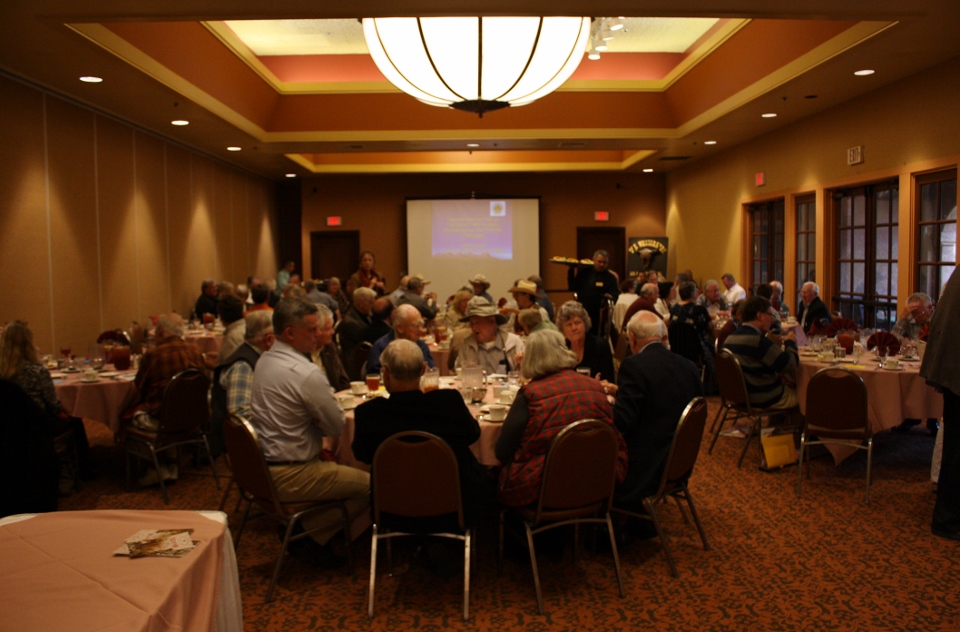

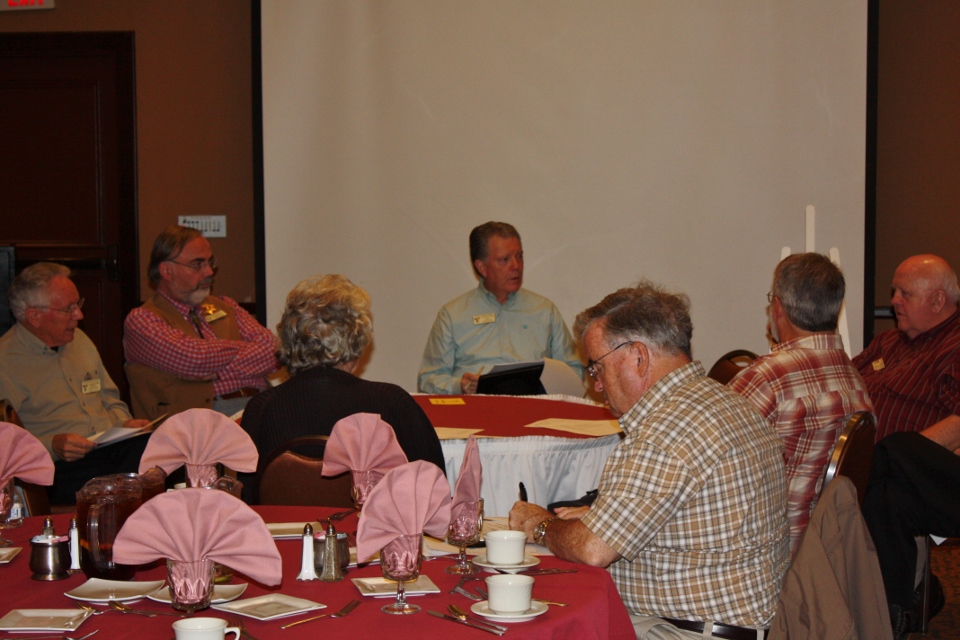
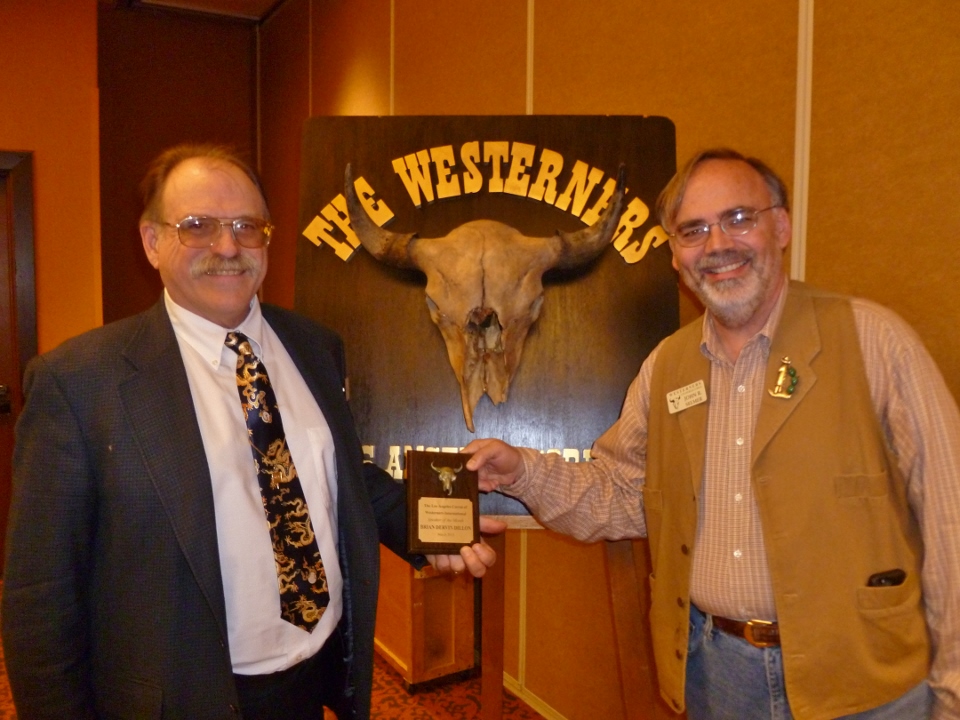

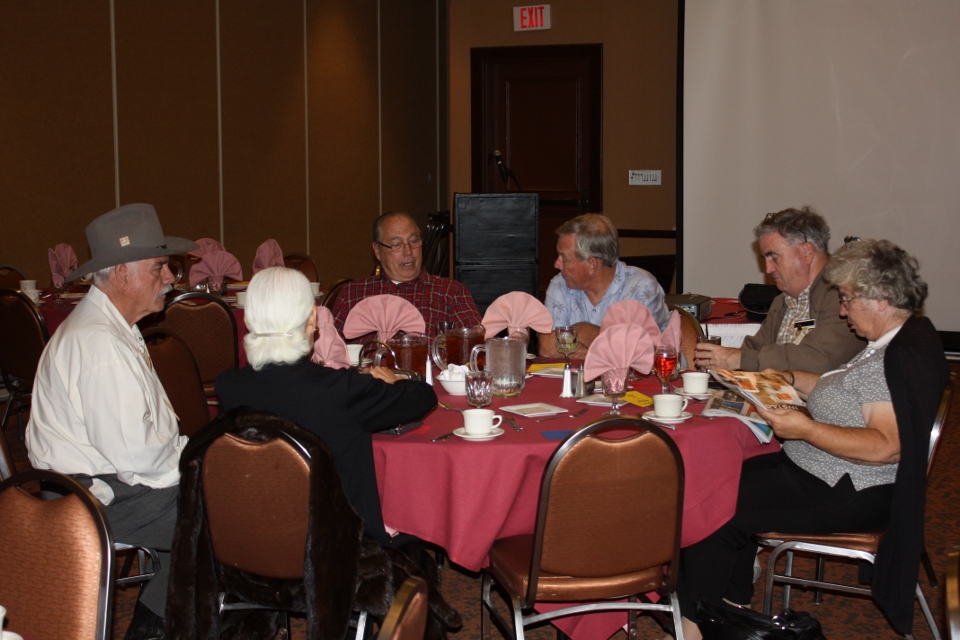











Roundup: April 13, 2016
Almansor Court – 700 S. Almansor, Alhambra, CA
Social Hour: 5:00 PM
Dinner: 6:00 PM
Our Speaker: Dr. Michael J. Moratto
His Subject: “Discovering the Americas: 250 Centuries Before Columbus”
Not long ago, scholars were convinced that America was populated by bands of Mongoloid Siberians who trekked across the Bering Land Bridge and advanced overland, through an “ice-free corridor” in western Canada, onto the Great Plains. From there, beginning some 11,000 years ago, they fanned out rapidly to occupy the New World and kill off its megafauna, leaving in their wake fluted spear points and other markers of the Clovis “big game hunting” culture. The only problem with this model is that almost none of it has turned out to be true. During recent years, scientific research in many fields has dramatically revised our understanding of when, how, and by whom the Americas were first settled as well as our knowledge of Clovis, contemporary cultures, and their antecedents. Dr. Moratto’s presentation will elucidate some of the exciting new discoveries and thinking related to the peopling of the Western Hemisphere during the past 25,000+ years.
Michael Moratto was raised as a country boy and spent his youth working on a cattle ranch in Sonoma County. He has been at the forefront of California archaeology and cultural resource management for nearly 50 years. Dr. Moratto is a Fellow of the California Academy of Sciences, past president of the Society for California Archaeology (SCA) as well as past president of two national archaeological societies, former member of the National Science Foundation’s Advisory Panel on Archaeology, and past member of the State Historical Resources Commission. A retired university professor, he taught (1969-2005) anthropology, geography, and history, including courses on 18th- and 19th-century California. He was the founder and, for many years, president/CEO of a large environmental consulting firm. Since 1967, he has directed hundreds of archaeological projects for public- and private-sector clients in seven western states. His contract archaeology and academic research have resulted in numerous publications, including California Archaeology (1984, 2004) the standard textbook on the subject. Dr. Moratto continues to study and write about a wide range of anthropological topics.
Brian Dervin Dillon, Ph.D.
Deputy Sheriff
Roundup: March 9, 2016
Almansor Court – 700 S. Almansor, Alhambra, CA
Social Hour: 5:00 PM
Dinner: 6:00 PM
Our Speaker: Paul F. Clark
His Subject: “The Yale Grove: A Pioneer Citrus Ranch in Southern California”
Southern California left behind cattle ranches to become a citrus empire in the late 19th Century. The Yale Grove, from its 1875 establishment by Albert B. Clark, epitomized this changeover. Clark operated his successful orange ranch in the community of Orange and was a pioneer irrigationist and citrus marketer. Albert’s life was cut short in 1883, but his widow, Mary Teegarden Clark, remembered his accomplishments in her writings, which were illustrated by the celebrated California photographer, Carleton Watkins. Paul Clark’s presentation explores unique aspects of the Yale Grove Citrus Ranch, and showcases Watkins outstanding photographs.
Paul Clark grew up in Orange County, witnessing its conversion from citrus groves to housing tracts. He received his B.A and M.A. degrees in history from California State University, Fullerton, then worked for the Riverside County Planning Department for nearly 30 years, until retiring in 2009. Much of Paul’s career was spent in the Coachella Valley, where he still resides in Palm Desert. He is a member (and past president) of the Orange Community Historical Society, a member of the Orange County Historical Society, of the American Institute of Certified Planners, and, of course, the Los Angeles Corral of Westerners. Paul writes for regional historical journals, including the Branding Iron, and was proud to edit (2013) the memoirs of his great-grandmother, Mary Teegarden Clark, Pioneer Ranch Life in Orange: A Victorian Woman in Southern California, the work upon which his March, 2016, presentation is largely based.
Brian Dervin Dillon
Deputy Sheriff
Los Angeles Corral of Westerners
Welcome to the online home of the Los Angeles Corral of Westerners. We invite you to browse our site, learn more about our organization, and even consider joining us.